 GET THE APP



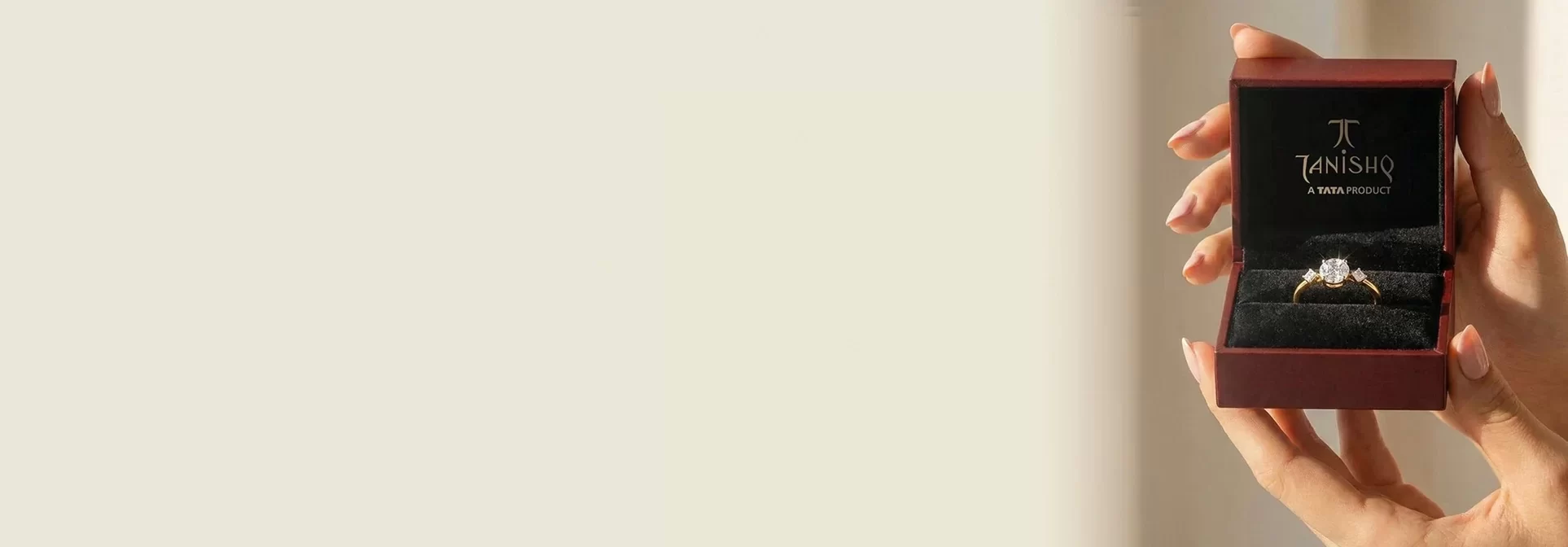
Wondering whether natural diamonds are a good investment? Understand the factors that influence its long-term value, how exchange policies work and how buyers can make informed buying decisions.
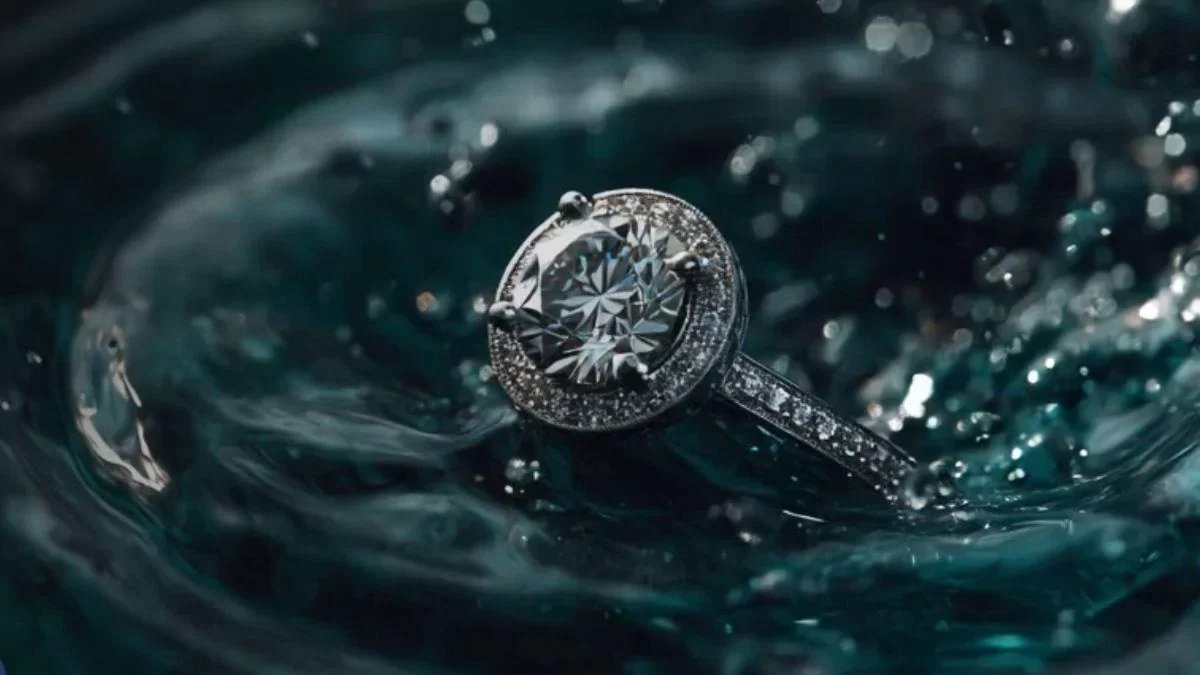
Natural diamond jewellery often combines craftsmanship, rarity and lasting emotional significance.
A natural diamond is a great investment that carries meaning, value and significance beyond its beauty and brilliance. Created deep within the Earth one to three billion years ago, it is one of nature’s toughest and rarest creations. For generations, natural diamonds have been chosen to celebrate important milestones and meaningful life occasions. While certified natural diamonds may offer exchange or resale value, their true worth often goes much deeper, attached to emotional significance and precious life moments.
Key Takeaways
- Natural diamonds are valued for their rarity, timeless appeal and the meaningful moments they come to represent over time.
- Certified natural diamonds also offer resale or exchange value.Authorized certification, verified natural origin, good diamond quality and a clear exchange policy can support the future valuation of natural diamonds.
- Retain the original diamond certificate, such as the TGL Certificate of Authenticity, along with the purchase invoice, as both are important for future identification, exchange and valuation.
For many Indian families, precious jewellery is an important part of their family legacy, worn to celebrate important milestones and passed down through generations as treasured heirlooms. Natural diamonds are an enduring part of this tradition, combining sentimental value and timeless appeal.
The physical qualities of a natural diamond, from its rarity and origin to the craftsmanship that brings out its brilliance, contribute to its enduring value. Yet, its true worth goes beyond these tangible attributes – the emotional significance that it represents for the buyer often cannot be measured. Adding to their appeal, certified natural diamonds may also offer exchange or resale value, making them a cherished possession that combines sentimental meaning with lasting appeal.
The Long-Lasting Appeal Of Natural Diamonds
Why Natural Diamonds Continue To Hold Meaning Across Generations
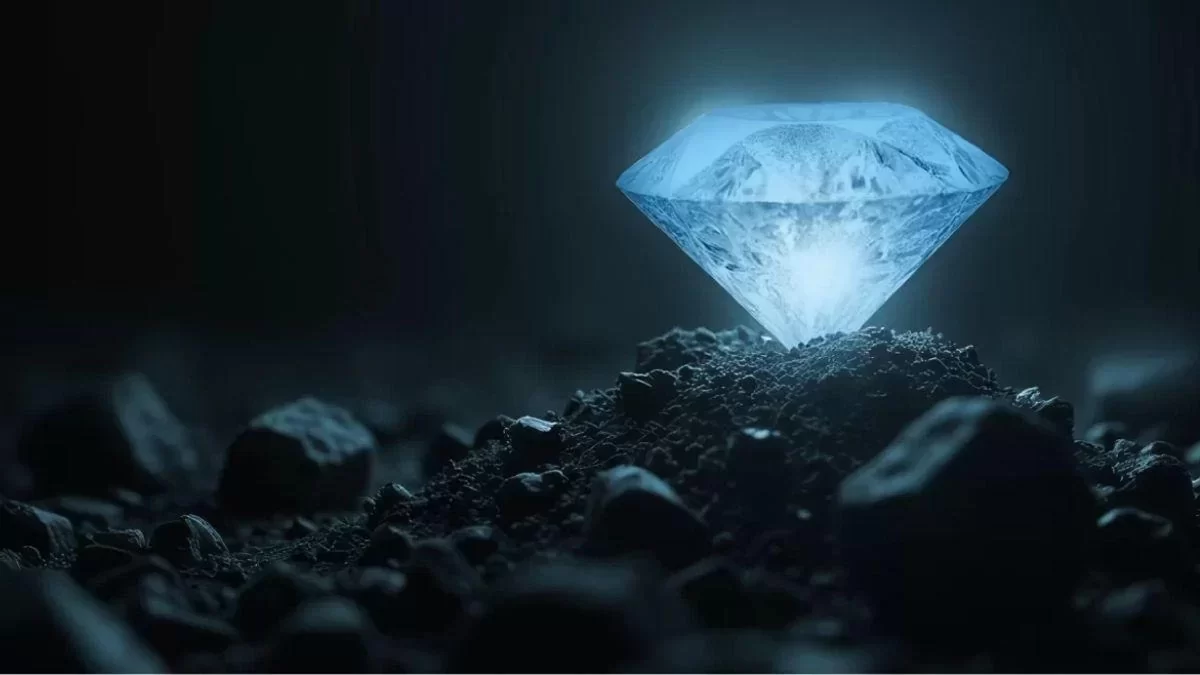
Natural diamonds are formed over billions of years beneath the Earth’s surface, making each stone a rare creation of nature.
From historic treasures like the Koh-i-Noor to the jewellery collections treasured by families today, natural diamonds have long symbolised celebration, heritage and legacy. Chosen to mark special life moments, they are more than just beautiful adornments. Over time, they become treasured heirlooms and cherished reminders of a family’s shared legacy.
Before a natural diamond becomes part of a family’s legacy, it is shaped by its own momentous journey. Formed one to three billion years ago deep within the Earth’s mantle, every natural diamond used in jewellery today existed long before human civilisation itself. By the time it is chosen to mark a meaningful milestone, it has already completed a journey that spans geological ages. Their beauty may first capture attention, but their lasting appeal often lies in the memories, emotions and stories they come to represent over time.
Is a Natural Diamond a Good Investment?
Certified natural diamonds can retain resale or exchange value over time. This is one of the reasons why natural diamond jewellery bought to celebrate precious moments is carefully preserved, cherished and passed down through generations.
However, the future value of a natural diamond depends on several factors, including its quality, certification, market demand and the policies of the jeweller evaluating it.
Every natural diamond is unique and assessed on its individual characteristics. Factors such as the 4Cs, namely carat weight, cut, colour and clarity, along with certification and overall desirability, can influence how a natural diamond may be evaluated over time.
Note: This content provides general information only and should not be considered a substitute for financial advice. Consult a qualified financial adviser before making any investment.
What Makes a Natural Diamond Hold Its Value?
A natural diamond can hold its value depending on its quality, certification, supporting documentation and the jeweller’s exchange or buyback policy at the time of sale or exchange. The following factors can influence its future valuation.
Factor |
Why It Matters |
|---|---|
|
Recognised diamond certificate |
Provides documented verification of the natural diamond’s characteristics and quality. |
|
Verified natural origin |
Establishes that the diamond formed naturally within the Earth over billions of years and was brought to the surface by volcanic activity. |
|
Well-cut, eye-clean quality |
Good cut quality and visual appearance make diamonds more desirable. |
|
Larger single stones |
Larger certified stones are often easier to evaluate individually than jewellery containing many small accent stones. |
|
Original certificate and invoice |
Important records for identification, exchange and valuation purposes. |
|
Jeweller with a written exchange or buyback policy |
Establishes a defined process for future exchanges, subject to terms and conditions. |
For many buyers, the exchange value of a natural diamond is only one part of the story. Their true appeal is often sentimental, tied to personal moments, and cannot be measured in monetary value alone.
Which Natural Diamonds Are Unlikely to Hold Their Value?
Certain characteristics can make diamonds less desirable during future valuations or exchanges, such as:
- Uncertified diamonds
- Treated diamonds, including fracture-filled or laser-drilled stones
- Heavily included diamonds with visible imperfections
- Poorly cut diamonds that do not maximise light performance
- Jewellery where a significant portion of the purchase price comes from making charges rather than the centre stone
- Pieces without a documented exchange route or written exchange policy
Certified natural diamonds usually have recognised resale and exchange pathways across the jewellery industry. However, many retailers do not offer similar resale or exchange value for synthetic diamonds.
This is one reason certification, proof of natural origin and supporting documentation remain important considerations for buyers who are thinking about long-term value.
At Tanishq, natural diamonds with inclusions that affect light performance, create a milky appearance or compromise durability are filtered out, even if these fall within their assigned clarity grades. The company also ensures that the diamonds used in its jewellery match the colour and clarity bands specified on their certificates to ensure optimum resale or exchange value.
Before being set, diamonds undergo multiple quality checks by expert gemmologists using specialised equipment. Tanishq examines over 20 million diamonds every year as part of this process.
Gold vs Natural Diamond Jewellery: Which Holds Value Better in India?
Gold and natural diamonds have both occupied a special place in Indian jewellery traditions for generations. While gold is widely appreciated for its intrinsic metal value, natural diamonds are prized for their rarity, beauty and the emotional significance they acquire over time. Rather than serving the same purpose, they often complement one another, which is why many treasured jewellery pieces bring both together in a single design.
Both gold and natural diamond can have recognised exchange pathways when supported by appropriate documentation.
Feature |
Gold Jewellery |
Natural Diamond Jewellery |
|---|---|---|
|
Daily price benchmark |
Rates tracked through the Indian Bullion and Jewellers Association (IBJA) updates. |
No common retail benchmark price for all natural diamonds. |
|
Proof of quality |
BIS Hallmark and HUID help verify |
Recognised grading laboratories document quality characteristics. TGL certification is available for Tanishq jewellery. |
|
Where value is assessed |
Based largely on prevailing gold rates. |
Depends on carat, cut, colour, clarity, certification and demand. |
|
Exchange route |
Accepted by most jewellers, subject to deductions and policies. |
Best supported through documented exchange programmes and certification. |
|
Key records required |
Invoice and hallmark details. |
Invoice plus diamond certificate. |
For independent verification, recognised grading laboratories issue reports that document a diamond’s characteristics and quality parameters. For Tanishq jewellery, every studded natural diamond product is accompanied by a Tanishq Gemmological Lab (TGL) Certificate of Authenticity.
The TGL Certificate of Authenticity documents product-specific information such as:
- Report number and issue date
- Shape and cutting style
- Carat weight
- Colour grade
- Clarity grade
- Cut related details such as proportions, polish, and symmetry
- Measurements in millimetres
- Fluorescence details
- Inclusion mapping or a clarity diagram in many cases
- Purity and karat details of the accompanying gold base
- Online verification method, often a QR code or report lookup
TGL records diamond weight to three decimal places, adding another layer of precision for accurate carat measurement. This also supports future identification and valuation when a diamond is assessed later.
How Does Diamond Exchange or Buyback Value Work Over Time?
Natural diamonds continue to hold value because many recognised jewellers provide exchange or resale pathways for certified stones. The value assigned during an exchange or resale assessment depends on factors such as the diamond’s quality, certification, documentation, natural origin and prevailing market conditions.
What Supports Exchange Value In A Natural Diamond?
Factor |
How Does It Support Exchange Value In A Natural Diamond |
|---|---|
|
Recognised Certificate |
Documents the diamond’s quality characteristics and authenticity |
|
Proof of Natural Origin |
Confirms the diamond was formed naturally |
|
Original Invoice |
Helps establish ownership and purchase details |
|
Quality of Diamond |
Cut, colour, clarity and carat weight influence desirability |
|
Exchange Policy |
Provides a defined route for future exchanges. |
|
Documentation Preservation |
Supports future identification and valuation |
Tanishq offers a structured exchange route for eligible natural diamond jewellery. Customers who retain their original invoice and TGL Certificate of Authenticity can access a transparent process for future exchanges, subject to applicable terms and conditions.
Since exchange policies may evolve over time, buyers should always review the latest policy details before making a purchase or exchange decision. Check out Tanishq’s natural diamond exchange program for more details.
How Should Someone Buy a Natural Diamond With Value Retention in Mind?
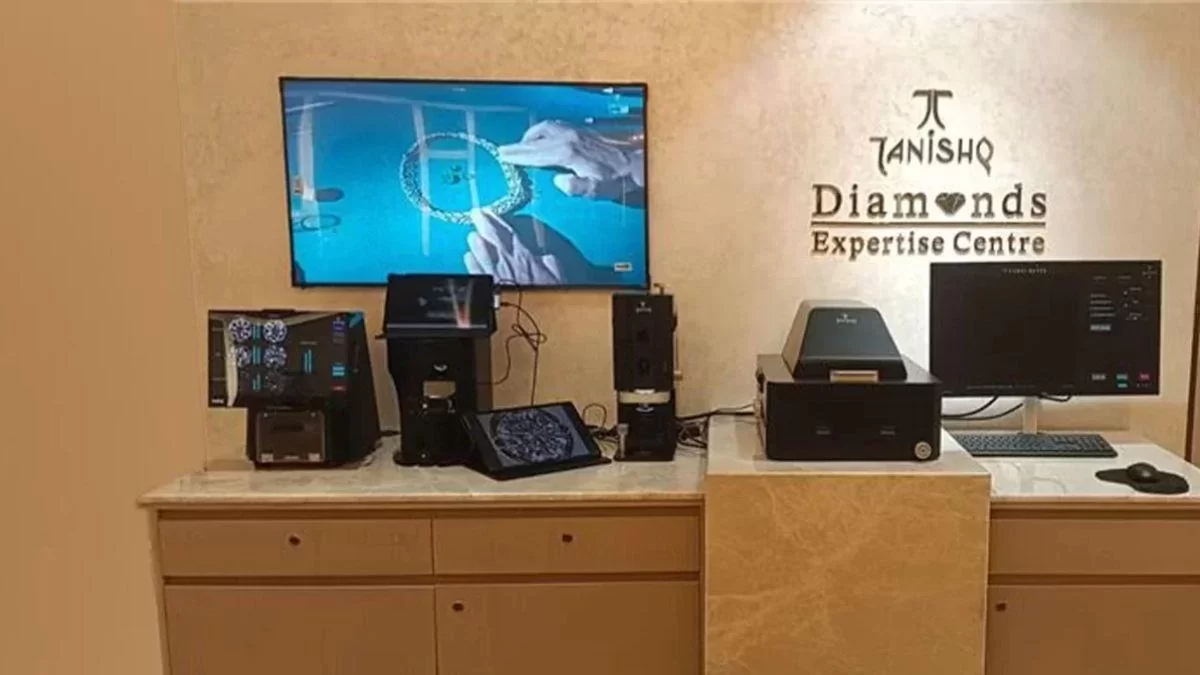
A Tanishq Diamond Expertise Centre (DXC) at one of its stores in India.
A few practical steps can help buyers make informed decisions when buying a natural diamond:
- Insist on a recognised diamond certificate.
- At a Tanishq store, have the natural diamond verified at a Diamond Expertise Centre (DXC).
- Ensure that diamond weight and diamond value are clearly shown on the invoice.
- Keep the original certificate and purchase invoice safely.
- Read the exchange and buyback policy carefully and obtain the terms in writing.
- Choose timeless, wearable designs that are likely to remain relevant across occasions and generations.
- Prioritise overall quality rather than focusing on a single specification.
These steps cannot guarantee future value but can help create a stronger foundation for future exchange or evaluation.
How Does Tanishq DXC Help Check the Clarity of Natural Diamonds?
Customers can get their natural diamonds checked free of cost at Tanishq Diamond Expertise Centres (DXCs). Using specialised equipment, these centres allow customers to examine a diamond’s origin, clarity, light performance and authenticity. The equipment includes:
- Diamond Caratmeter: Helps verify that a diamond is natural or not and confirm its origin.
- Light Scope: Demonstrates a solitaire’s brilliance, fire and scintillation to explain its light performance. It helps you see its beautiful sparkle
- Clarity Viewer: Magnifies inclusions so customers can compare a diamond’s characteristics with its certificate and verify if its VVS, VS or SI
- Marking Viewer: Displays the Tanishq logo and Unique Identification Number (UIN) inscription to verify brand authenticity and traceability.
A trained gemmologist guides customers through the process, helping translate technical grading information into something they can see and understand for themselves. Customers can also bring their own natural diamonds to the centre for evaluation. The Diamond Expertise Centre is currently available at 250+ of Tanishq’s 500+ stores across India, with additional locations being introduced soon. Find your nearest DXC on the Tanishq DXC store locator.
What Does the Current Natural Diamond Market Tell Us?
Like other luxury categories, the natural diamond market experiences periods of growth and correction. Factors such as certification, quality, documentation and prevailing market conditions can influence future exchange or resale assessments. According to a Rapaport report, the natural diamond market in 2026 showed positive signs towards price stabilisation and a recovery in smaller stones.
However, the enduring appeal of natural diamonds goes far beyond market movements or monetary value. Formed billions of years ago and cherished across generations, natural diamonds hold a timeless appeal rooted in their rarity, beauty, craftsmanship and emotional significance.
For many Indian families, a natural diamond is much more than a piece of jewellery. Passed down through generations, these precious pieces carry memories, emotions and connections that continue to hold meaning long after the occasion they were bought to celebrate.
Frequently Asked Questions
Natural diamonds may increase or decrease in value depending on quality, rarity and market conditions. Future value is never guaranteed. Natural diamonds are chosen for their beauty and timeless appeal to celebrate life-changing moments, rather than purchased with the expectation of financial returns.
Yes, Tanishq offers exchange programmes for eligible jewellery categories, subject to policy terms and conditions. Customers should retain the original invoice and certificate because these documents are required for eligible exchanges.
Gold and natural diamonds offer different forms of value. Gold is commonly tracked through benchmark prices, while natural diamonds are assessed individually based on factors such as carat weight, cut, colour, clarity, certification and market demand. Many buyers choose jewellery that includes both, depending on their preferences.
Yes. Certified natural diamonds can have resale or exchange value depending on their quality, certification, documentation and market conditions. Most recognised jewellers provide resale or exchange pathways for natural diamonds, making documentation and proof of authenticity especially important.
Yes, larger certified diamonds are often easier to assess individually and may attract stronger buyer interest than jewellery containing many very small stones. However, value retention still depends on overall quality and certification.
A certificate does not automatically increase value, but it provides documented information about the diamond. Certified diamonds are generally easier to evaluate during exchange or future assessments.