 GET THE APP



Discover the extraordinary journey of a natural diamond from deep beneath the Earth to the jewellery you wear. Learn what gives natural diamonds their rarity and value, and how Tanishq’s rigorous selection process ensures only exceptional natural diamonds become part of its jewellery.
Natural diamonds are considered rare because they were formed one to three billion years ago deep within the Earth’s mantle under extreme heat and pressure. Their rarity is shaped by both age and scarcity. In 2025, global rough diamond production totalled 98.8 million carats, and only a portion of mined diamonds met the characteristics required for fine jewellery. As existing mines mature and fewer viable deposits are discovered, the availability of natural diamonds suitable for jewellery continues to become limited.
Key Takeaways
- Natural diamonds formed one to three billion years ago, around 140-200 km beneath the surface in Earth’s mantle under extreme heat and pressure.
- Only a small number of kimberlite deposits, igneous rocks formed during volcanic activity, contain enough diamonds to support commercial mining, making natural diamond sources inherently limited.
- Global rough diamond production declined from 112 million carats in 2023 to 107.9 million carats in 2024 and 98.8 million carats in 2025.
- Tanishq’s Diamond Expertise Centre (DXC) states that only about 5% of the evaluated 100 million diamonds per year meet its quality standards.
For Indian buyers, rarity has always been one of the qualities that gives natural diamond jewellery lasting significance. Chosen to celebrate life’s milestones, natural diamonds are prized for their beauty, origin and limited availability. Their scarcity, combined with the artistry that transforms them into fine jewellery, gives them an enduring allure, making them a natural choice for moments that deserve to be cherished for generations.
How Rare Are Natural Diamonds?
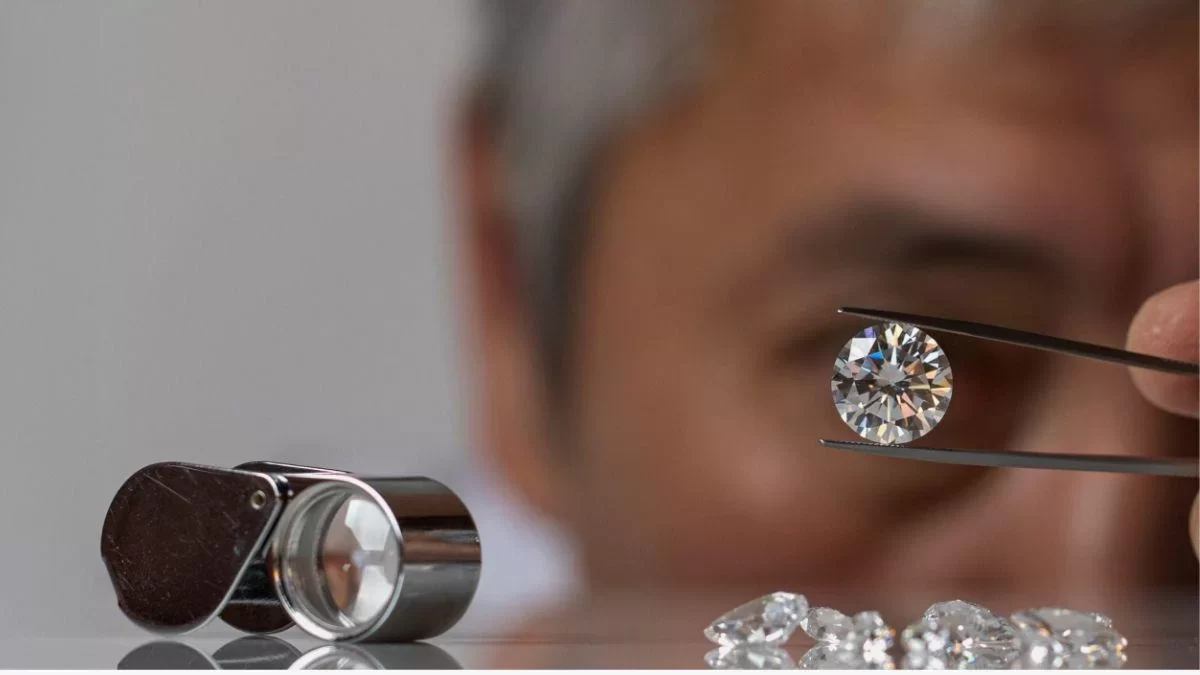
Every natural diamond is a rare creation of nature, formed deep within the Earth billions of years ago.
Natural diamonds are rare because nature created them under extreme heat and pressure within Earth’s mantle billions of years ago. Even after formation, only a limited number of diamonds reach the surface through rare volcanic events, and only some of those from it ultimately become jewellery.
According to Kimberley Process Rough Diamond Statistics, global rough diamond production has declined in recent years. Although millions of carats are still recovered annually, not every diamond possesses the size, clarity, colour and crystal structure required for fine jewellery. As existing mines mature and economically viable deposits decline, the supply of natural diamonds suitable for jewellery remains limited.
The table below highlights the recent trend in global rough diamond production:
Metric |
2025 |
2024 |
|---|---|---|
|
Global rough diamond production |
98.8 million carats |
107.9 million carats |
|
Production value |
US$9.23 billion |
US$9.53 billion |
|
Year-on-year change |
-8.4% |
– |
Source: Kimberley Process Rough Diamond Statistics
What Makes Natural Diamonds Rare?
Natural diamonds are rare because the conditions required to create them are exceptionally uncommon. Their rarity comes from three interconnected factors: their geological formation, the limited number of viable deposits and a declining global supply.
Formation
Natural diamonds formed between one and three billion years ago under intense heat and pressure approximately 140-200 km beneath the Earth’s surface, within the mantle.
Unlike materials that can form relatively quickly through natural processes, natural diamonds require highly specific geological conditions, including extreme heat and pressure, to crystallise carbon atoms into diamonds. They remained embedded underground in solidified igneous rocks, typically called kimberlites, until volcanic eruptions carried them closer to the surface.
Few Diamond Deposits Can Be Mined
Not every diamond-bearing deposit becomes a producing mine.
Research has found that thousands of kimberlite formations have been sampled worldwide, yet only a small number have proven economically viable. It was reported that only about 60 mines are sufficiently rich in natural diamond to be economically viable. This means geological discovery alone does not guarantee a workable source of natural diamonds.
Global Supply Is Shrinking
Natural diamonds are becoming scarcer as several mature mining operations reach later stages of production.
According to Natural Diamond Council research published in 2023, global natural diamond recovery has fallen by more than 30% compared with its 2005 peak. Discovering and developing new deposits has become increasingly challenging, contributing to lower overall supply.
To learn more about how a natural diamond reaches the surface and eventually becomes jewellery, explore the journey of a natural diamond on the Tanishq Natural Diamonds hub.
At A Glance: Why Natural Diamonds are Rare?
Rarity Indicator |
Figure |
|---|---|
|
Formation age |
1 to 3 billion years |
|
Formation depth |
140-200 km below the surface in Earth’s mantle |
|
Kimberlites sampled globally |
4,000-7,000 |
|
Diamond-bearing kimberlites |
∼1,000 |
|
Economically viable diamond deposits |
∼60 |
Source: Thermo Fisher Scientific
How Many Mined Diamonds Are Gem Quality?
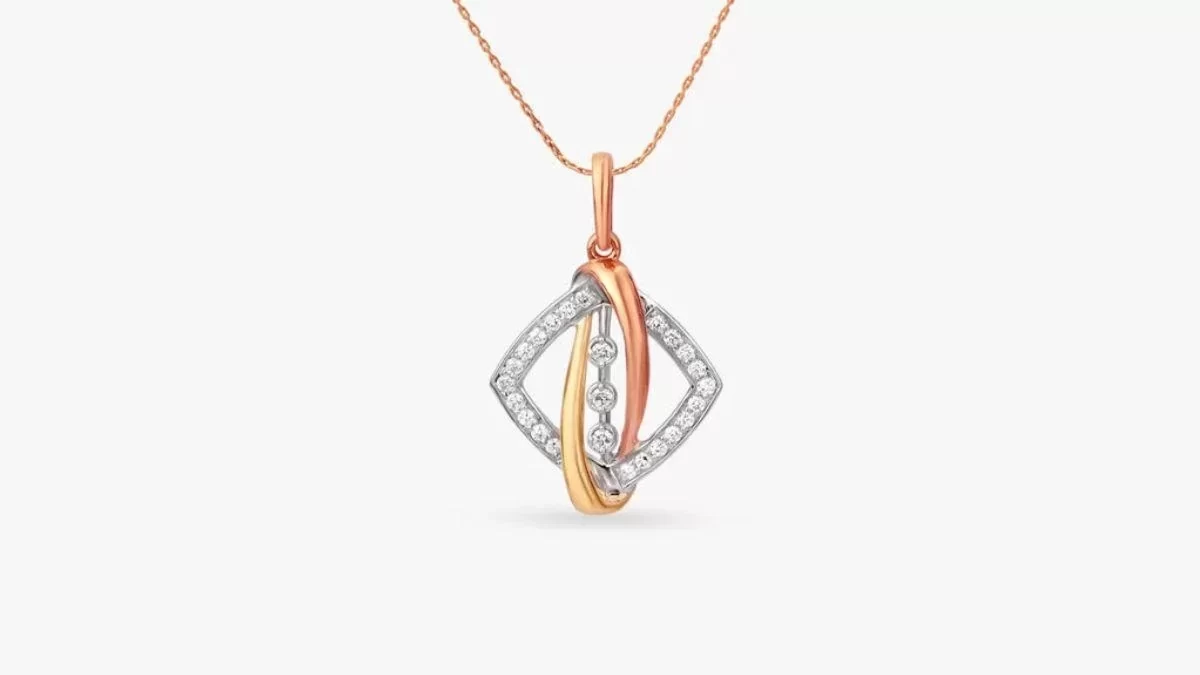
From the Earth’s mantle to a cherished piece of jewellery, every natural diamond undergoes a remarkable journey.
Not every diamond recovered from a mine is suitable for jewellery.
The proportion of gem-quality diamonds varies significantly from one mine to another and can differ even within a single deposit. Some recovered diamonds may be too small, heavily included, irregularly shaped or unsuitable for cutting into polished stones. According to a media report, only 30% of mined natural diamonds are of “gem quality” and suitable for jewelry. The remaining 70% of mined diamonds, known as bort, are suitable for industrial applications only.
A diamond becomes suitable for jewellery based on several factors:
- Crystal size
- Clarity characteristics
- Colour quality
- Cutting potential
- Structural integrity
As a result, the number of diamonds extracted from the ground is much larger than the number that ultimately become polished diamonds used in jewellery.
How Rare Is A 1-Carat Natural Diamond?
A polished one-carat natural diamond is considerably rarer than smaller diamonds.
The reason is straightforward: larger rough diamonds occur less frequently in nature. In addition, the cutting and polishing process typically removes a substantial portion of the original rough crystal to maximise beauty and symmetry.
This means a finished one-carat polished diamond requires a significantly larger rough diamond at the start of the journey. As diamond size increases, rarity rises disproportionately because larger rough crystals suitable for jewellery become increasingly uncommon.
The result is that a one-carat natural diamond represents both geological rarity and the skill required to transform rough material into a polished gemstone.
For more information about the transformation process, see Tanishq’s guide on how natural diamonds are cut.
How Many Diamonds Does Tanishq Reject?
Tanishq follows a highly selective evaluation process to ensure consistency in the natural diamonds used in its jewellery.
Every piece in Tanishq’s diamond collection is evaluated using the globally recognised 4Cs framework: carat, colour, clarity and cut. The selected diamonds further undergo assessments to ensure they meet Tanishq’s internal quality standards for appearance, light performance and durability.
The Tanishq Gemmological Lab (TGL) certifies every diamond through a rigorous evaluation process. Established in 2002, TGL has evaluated over 100 million diamonds to date, making Tanishq one of India’s largest diamond sourcing retailers. Backed by a team that includes 11 PhD holders, the lab assesses diamonds across the 4Cs and advanced light-performance parameters. Solitaire diamonds undergo additional evaluation for fire, brilliance and scintillation.
With over two decades of research and Titan’s Responsible Sourcing Framework, established in 2020, TGL ensures that diamonds are responsibly sourced, conflict-free and traceable. Its laboratories in Mumbai, Pantnagar and Hosur use advanced technologies such as spectrophotometry and Raman spectroscopy to verify natural diamonds at different stages. Every studded product is issued a TGL Certificate of Authenticity, providing customers with documented assurance of its quality and authenticity.
Natural Diamond Process Stage |
What Tanishq Evaluates |
|---|---|
|
Diamond evaluation |
Approximately 100 million diamonds assessed till date |
|
Quality screening |
Diamonds are reviewed against multiple quality parameters |
|
Selection process |
Characteristics such as cut potential, clarity and appearance evaluated |
|
Final approval |
Amongst the millions of diamonds checked, only 5% meet Tanishq’s stringent selection criteria. |
|
Jewellery creation |
Selected diamonds are crafted into finished jewellery |
Verify Your Diamond At The Diamond Expertise Centre (DXC)?
Customers can verify any natural diamond free of cost at the Tanishq Diamond Expertise Centre (DXC). Using advanced, lab-grade technology, the DXC allows customers to examine a diamond’s origin, clarity characteristics, light performance and authenticity using speicialised machines. The machines included in DXC are:
- Caratmeter: Helps verify that a diamond is natural and confirm its origin.
- Light Scope: Demonstrates a solitaire’s brilliance, fire and scintillation, helping customers understand how its cut influences light performance.
- Clarity Viewer: Magnifies the inclusions within a diamond, allowing customers to examine its clarity characteristics and compare them with the grade mentioned on its certificate.
- Marking Viewer: Displays the Tanishq logo and Unique Identification Number (UIN) inscription, helping verify brand authenticity and traceability.
- Hearts and Arrows Viewer: Displays the distinctive hearts-and-arrows pattern in round diamonds, associated with excellent cut quality.
A trained gemmologist guides customers through the process, helping translate technical grading information into something they can see and understand for themselves. Customers can also bring their own natural diamonds to the centre for evaluation.
The Diamond Expertise Centre is currently available at 232 Tanishq stores out of 500+ across India, with additional locations being introduced soon. You can check out your nearest DXC from here: https://stores.tanishq.co.in/dxc-stores
A Tanishq natural diamond is one of the few stones that has survived a billion-year journey, passed through strict selection standards and been chosen to mark a unique moment in someone’s life. Over time, that same diamond may become part of a family’s story, worn, cherished and passed from one generation to the next.

Frequently Asked Questions
Natural diamonds are rare because their formation required geological conditions that existed one to three billion years ago deep within the Earth's mantle. In addition, declining diamond production means that only a limited number of natural diamonds suitable for jewellery are available today.
While millions of carats are mined annually, most are suitable only for industrial use, and only a small portion of recovered diamonds become jewellery. The rarity of gem-quality diamonds, combined with factors such as clarity, size, shape, cutting expertise and rigorous quality selection, contributes to their value and desirability.
Most natural diamonds formed between one and three billion years ago. The natural diamond in a piece of jewellery may therefore be older than many geological features visible on the Earth's surface today.
Natural diamonds continue to be discovered and mined, but reports indicate that global recovery levels have been declining over the past several years. As existing mines mature and fewer viable deposits are discovered, new sources of natural diamonds are becoming increasingly scarce. This has contributed to a more limited supply of natural diamonds suitable for jewellery.
Major natural diamond-producing countries include Botswana, Canada, Russia, Angola and the Democratic Republic of the Congo. Production levels vary by year depending on mine output and market conditions.
Tanishq's Gemmological Lab (TGL) follows a detailed evaluation process. The lab assesses diamonds across the 4Cs and advanced light-performance parameters. Solitaire diamonds undergo additional evaluations for fire, brilliance and scintillation. TGL has evaluated over 100 million diamonds to date.