 GET THE APP


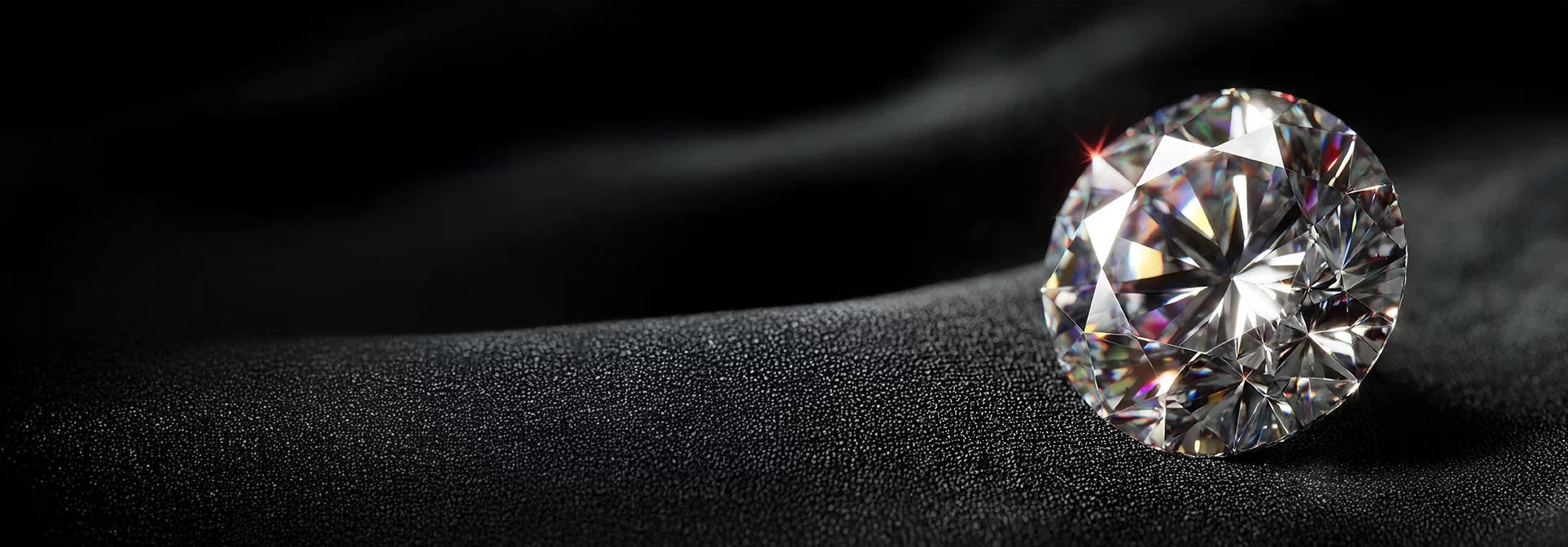
Quick Summary: Understanding the diamond symmetry & polish helps you make the right choice when buying a diamond. These grades are the determining factors for the quality of a diamond’s facets and the overall appearance. Diamond Polish is the diamond facets’ smoothness level, while the symmetry refers to how well they are shaped and aligned.
How do you decide if a diamond is worth buying? How do you know if the diamond is worth the amount you pay? That’s where the role of diamond symmetry and polish comes in. Experts suggest to always check the diamond grades before purchasing from anywhere. If the grade is ‘Good,’ you can consider buying that piece of jewellery. However, if you’re looking for something premium or for most special and once-in-a-lifetime occasions like an engagement or wedding ring, it is preferable to go for the ‘Very Good’ or above grade.
Let’s start with the basics and then get into the details. From defining the terms, understanding the importance of diamond polish & symmetry, decoding grades, certification guide, to the expert tips, all are included in this guide.
What is Diamond Symmetry?
Diamond Symmetry is generally a term used to describe how well the facets of a diamond line up and how well it was shaped when it was cut. If the facets of a diamond are evenly sized and spaced, they permit light to travel through better. As a result, this helps in maximising the diamond’s brilliance, fire, and visual appeal.
What Affects Diamond Symmetry?
Whether you are buying solitaire rings, diamond earrings studs, or any other jewels, symmetry grades matter. But have you thought about what affects the symmetry of a diamond? It’s determined when a diamond goes through the cutting process. Here are some of the major factors that influence diamond shape symmetry:
1. Facet Alignment – Facets should be positioned evenly around the diamond because if the facets are misaligned, they can disrupt light performance.
2. Table Placement – The table facet should be properly centred, as the off-centre tables may affect overall balance.
3. Crown and Pavilion Proportions – The upper and lower portions of the diamond must align well to optimise brilliance.
4. Girdle Consistency – If the girdle thickness is uneven, it can influence symmetry grades and affect overall appearance.
5. Culet Position – If the culet is well-aligned, it contributes to a balanced facet structure.
What is Diamond Polish?
Now, what’s diamond polish exactly? After a diamond is cut into its final shape, polishing comes next. During the polishing phase, each facet of the diamond is carefully refined for a smooth and flawless surface. Here, diamond polish focuses on surface quality rather than shape accuracy.
Here are some of the polishing characteristics:
- Polish lines
- Surface scratches
- Burn marks
- Abrasions
- Lizard skin texture
Most of these features are only visible under magnification and do not affect everyday appearance.
What are Diamond Polish Grades?
Gemological laboratories typically assign one of the following diamond polish grades, as mentioned in the table given below.
Polish Grade |
What Do They Tell? |
|---|---|
|
Excellent |
No visible polish imperfections under 10x magnification |
|
Very Good |
Minor imperfections difficult to detect |
|
Good |
Small polish features visible under magnification |
|
Fair |
Noticeable surface imperfections |
|
Poor |
Significant imperfections affecting appearance |
Note – For most buyers, Excellent and Very Good diamond polish grades provide outstanding visual performance.
Symmetry vs Polish: What’s the Difference?
Though often discussed together, symmetry and polish are different based on their unique aspects. Read the differences in this table below.
Factor |
Diamond Symmetry |
Diamond Polish |
|---|---|---|
|
Measures |
Precision of facet alignment and proportions |
Smoothness of facet surfaces |
|
Focus Area |
Shape accuracy |
Surface finish |
|
Evaluates |
Facet placement, table alignment, proportions |
Polish lines, scratches, and abrasions |
|
Affects |
Light return and balance |
Surface reflection quality |
|
Graded By |
Gemological laboratories |
Gemological laboratories |
|
Visible Without Magnification |
Rarely in higher grades |
Rarely in higher grades |
Why Symmetry & Polish of a Diamond Matter?
Diamonds are supposed to be beautiful. Aren’t they? So, this beauty depends on how effectively the diamond interacts with light. Even a high-quality diamond can lose visual appeal if it has poor symmetry or surface imperfections.
If the diamond symmetry is excellent, it helps:
- Improve light return
- Enhance brilliance and fire
- Create a balanced appearance
- Ensure consistent facet alignment
If the diamond polish is of high quality, it helps:
- Maintain a smooth surface
- Reduce visible polishing marks
- Improve light reflection
- Support overall visual performance
Tanishq Tips
- Always review the grading certificate rather than relying solely on visual appearance
- Prioritise Excellent or Very Good symmetry grades whenever possible
How to Check Symmetry & Polish in Certification?
Certifications matter more than we think. They are the core signals of authenticity. Most reputable diamond grading reports include separate grades for symmetry and polish of a diamond.
Whenever you review a certificate, look for these five:
- Symmetry grade
- Polish grade
- Overall cut grade
- Measurements and proportions
- Laboratory certification details
Discover Your Diamond’s Story at the Diamond Expertise Centre (DXC)
The Diamond Expertise Centre (DXC) offers a first-of-its-kind in-store experience at Tanishq where you can verify any natural diamond free of cost. Using advanced, lab-grade technology, the DXC allows you to confirm your diamond’s origin, view its distinctive clarity characteristics, compare them with the clarity grade on the certificate, witness the light performance of solitaires, and verify authenticity through its Unique Identification Number (UID) and the Tanishq logo.
Every session is guided by a trained gemmologist, giving you the confidence to make an informed choice backed by evidence rather than trust alone.
Here’s what you can experience at the DXC stores:
Light Scope
See the brilliance, fire, and scintillation that define Tanishq solitaires. The experience is particularly striking with Celeste solitaires, crafted to deliver outstanding light performance.
Clarity Viewer
Magnify your diamond to observe its unique inclusions and verify that its clarity grade, whether VVS, VS, or SI, matches the certificate.
Diamond Caratmeter
Verify your diamond’s origin and see whether it is natural.
Marking Viewer
Authenticate your diamond by viewing its Unique Identification Number (UID) together with the Tanishq logo inscribed on the diamond.
The Diamond Expertise Centre is currently available at 171 Tanishq stores across India, with additional locations being introduced. Visit your nearest DXC store to understand your diamond through complete transparency and choose with confidence, based on proof rather than promise.
Tanishq Tips
- Compare symmetry and polish grades alongside cut quality
- View the diamond under magnification when possible
Expert Suggestions Before Buying a Diamond
Here are the most common tips shared by experts for making the right decision when purchasing diamond jewellery:
- Prioritise cut quality for maximum sparkle
- Choose Excellent or Very Good symmetry and polish grades
- Review the diamond’s grading certificate
- Consider the impact of diamond setting types
- Assess the diamond under proper lighting
Conclusion
Both diamond symmetry and polish are important indicators to help you determine how good the diamond is. In addition, there are many other important factors like colour and clarity that contribute to the overall beauty of a diamond. Anyone who’s buying a diamond must check these grades first to make an informed decision with a deeper insight into the characteristics and quality of the diamond being bought.
Frequently Asked Questions
Yes. When light travels through the diamond, the efficiency of passing light is influenced by the diamond's symmetry and diamond polish. However, remember that the cut quality generally has the greatest impact on sparkle.
Both matter, but symmetry often has a slightly greater influence on light performance because it affects facet alignment and light return.
Most of the time, no. Small polishing imperfections will normally only be visible under magnification and will not detract from the everyday look.
The symmetry and polish grades are available on a certified diamond grading report by recognised gemological laboratories.