 GET THE APP


When shopping for diamond jewellery, one always considers the right cut or its clarity, but often forgets the diamond setting. How a diamond is set impacts the jewellery’s aesthetic appeal to a great extent. From engagement rings to everyday pendants, the right diamond setting types not only secure your gem but also define the overall look and personality of the piece. So if you’re shopping or simply curious, here’s your definitive guide to the most popular diamond setting types and how to pick your perfect one.
What a Diamond Setting Does
A diamond setting is the way in which a diamond is mounted or held onto a piece of jewellery. It affects everything from the security of the stone to how much it sparkles under light. Whether these are subtle studs or dramatic diamond choker designs, the diamond setting plays a key role in the look and longevity of your jewellery.
How to Choose the Right Diamond Setting
Think of the diamond as your star performer. The diamond setting types act as stage lighting, sound, and spotlight all rolled into one. The diamond setting showcases your diamond while affecting light entry for more sparkle, comfort during wear, stone security, and cleaning ease. Consider lifestyle, occasion, and maintenance preferences carefully when selecting a setting for diamond ring.
Popular Diamond Setting Types
Solitaire Setting
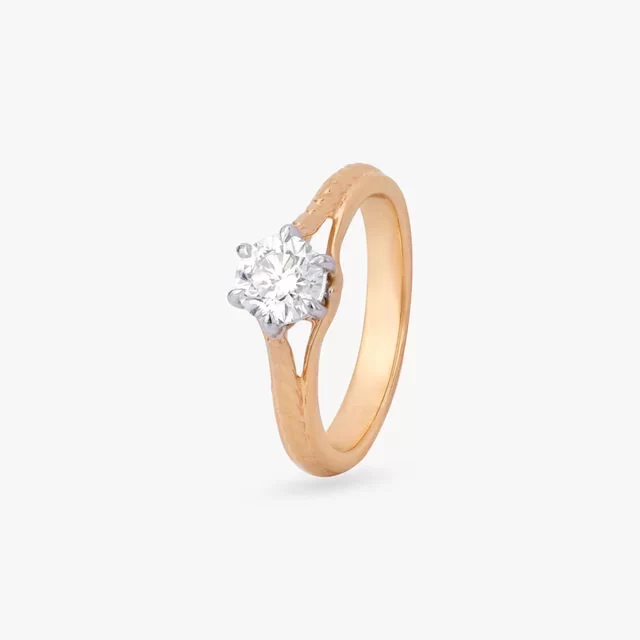
Solitaire setting features a single diamond elevated prominently. Harmony Spark Solitaire Ring highlights the centre stone elegantly.
Prong Setting
The classic choice! A diamond prong setting uses tiny metal claws (usually 4 or 6) to hold the diamond in place. This prong setting allows maximum light to hit the diamond, boosting brilliance. Best for solitaire rings and classic pendants, when you want your diamond to be the star.
Halo Setting
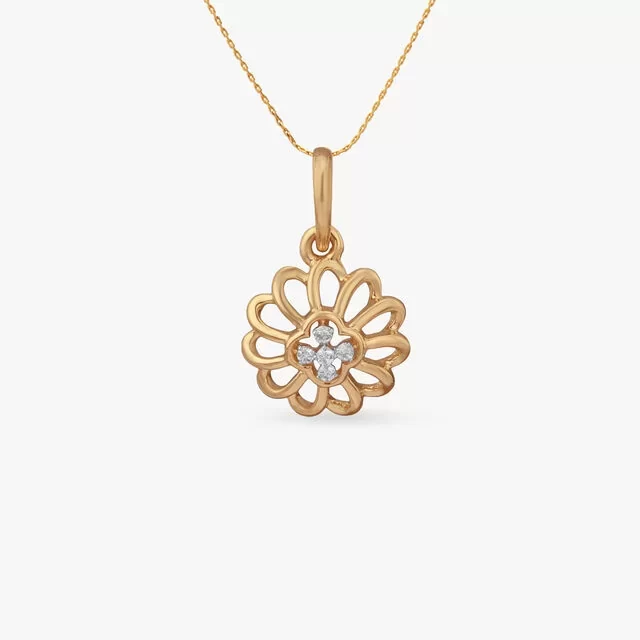
Halo setting surrounds the centre diamond with smaller stones. Blossom Halo Diamond Pendant amplifies sparkle dramatically.
Pave Setting
Small diamonds set closely together with tiny metal beads or prongs create a diamond pave setting. A pave setting offers a continuous sparkle surface, best for statement rings, diamond chokers, and ultra-sparkly earrings.
Bezel Setting
Modern and sleek, a diamond bezel setting encircles the diamond with a thin metal rim. Bezel setting offers maximum protection and a contemporary look. Great for everyday rings and pendants needing durability.
Three-Stone Setting
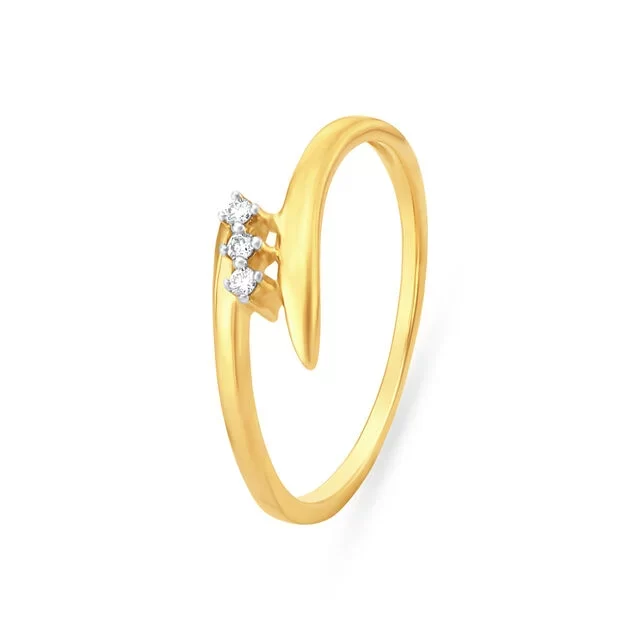
Three-stone setting symbolises past, present, and future. The Three-Stone Diamond Finger Ring balances three gems harmoniously.
Channel Setting
Rows of diamonds placed between two metal strips form a channel setting. No prongs – just clean lines. Channel setting suits mens diamond rings and eternity bands perfectly.
Tension Setting
The diamond appears to float mid-air! Tension setting uses a metal band to hold the diamond securely. Best for modern rings and minimalist jewellery lovers.
Cluster Setting
Multiple diamonds grouped together create organic sparkle. Cluster setting offers vintage-inspired appeal affordably.
Bar Setting
Bar setting uses vertical metal bars between diamonds for structured geometry. Best for contemporary designs, adding definition.
How Settings Influence Diamond Appearance
Diamond setting types dramatically control how much light enters each diamond to maximise its brilliance and fire.
- The prong setting exposes maximum diamond facets to capture and reflect light from every angle beautifully.
- Bezel setting creates a smoother, more protective appearance while subtly embracing the gemstone securely.
- Pave setting transforms surfaces into continuous sparkling fields that catch every ray of light effortlessly.
Choosing the Right Setting for Your Diamond
Selecting a setting is a process of alignment: between the diamond’s physical characteristics, the wearer’s lifestyle, and the emotional intention of the piece. Several key considerations guide the types of diamond settings and how to decide.
- Clarity grade. High-clarity diamonds, such as VVS or VS grades, benefit from open settings like prong or tension that allow the stone to be fully appreciated. Lower clarity grades may benefit from bezel or halo settings, where the design naturally draws attention to the overall composition rather than the individual stone.
- Carat weight. Larger diamonds can carry a solitaire or bezel setting with commanding presence. Smaller stones often perform better within halo or cluster settings, where the composition amplifies their visual impact.
- Colour. White gold and platinum settings enhance the appearance of near-colourless diamonds. Yellow or rose gold can warm a stone with slight colour tints, making it appear whiter by contrast.
- Cut quality. A well-cut diamond deserves a setting that does not obstruct its facets. For ideal or excellent cut grades, a minimal prong setting allows the cut to perform without interference.
Matching Setting to Diamond Shape
Diamond Shape |
Best Settings |
Why It Works |
|---|---|---|
|
Round Brilliant |
Prong, Solitaire, Halo |
Maximises the stone’s natural fire and light return |
|
Princess Cut |
Halo, Channel, Four-Prong |
Frames with sharp corners and geometric elegance |
|
Emerald Cut |
Bezel, Channel, Three-Stone |
Clean lines complement the step-cut facet structure |
|
Oval |
Prong, Halo, Tension |
Elongates the finger and highlights the graceful curve |
|
Pear |
Prong, Tension, Halo |
Showcases the teardrop silhouette with pointed-end protection |
|
Marquise |
Prong, Channel, Bezel |
Protects fragile tips while accentuating the elongated form |
|
Cushion Cut |
Halo, Pave, Bezel |
Softens corners and adds a romantic, vintage quality |
|
Asscher |
Bezel, Prong, Three-Stone |
Highlights the step-cut depth and Art Deco character |
- Round brilliant diamonds shine brightest in a classic diamond prong setting that showcases their legendary fire perfectly.
- Princess-cut stones gain elegance through a halo setting that frames their geometric beauty symmetrically.
- Emerald shape diamonds align beautifully with a sleek channel setting, following their rectangular lines naturally.
- Pear-shaped diamonds create dramatic allure through tension setting that highlights their teardrop elegance gracefully.
Pros & Cons of Each Setting Type
- Prong setting allows unmatched light performance, but prongs can snag on clothing occasionally.
- Bezel setting provides superior protection yet covers portions of diamond brilliance slightly.
- Pave setting delivers continuous sparkle across surfaces, but tiny beads require occasional maintenance.
- Tension setting offers a strikingly modern appearance, though resizing becomes more challenging later.
Tanishq Tips
- Choose a half bezel setting for active lifestyles, balancing security and sparkle perfectly.
- Layer bar setting bands with smooth diamond bezel setting pieces elegantly.
Lifestyle Tips: Which Setting for You
- Active professionals prefer diamond bezel setting durability for daily wear confidence.
- Office workers appreciate a low-maintenance channel setting that stays pristine effortlessly.
- Party-goers choose sparkling diamond pave setting for maximum evening impact.
- Minimalists select clean tension setting lines for sophisticated simplicity.
Diamond Settings in Bridal Jewellery
In bridal jewellery, the setting carries weight beyond aesthetics. It is part of the story. The choices made in the moment will be seen in photographs, passed between generations, and remembered as part of the proposal moment itself.
- The solitaire remains the most enduring choice in bridal design. Its singular diamond is a clear declaration of intent, unencumbered by distraction. It is a setting that belongs to no particular era, which is precisely why it remains relevant to everyone.
- The halo setting has emerged as a deeply romantic choice for modern brides. The corona of accent diamonds creates a sense of occasion around the centre stone, amplifying its presence and lending the piece a warmth and luminosity that photographs beautifully.
- The three-stone setting speaks in the language of commitment and continuity. Its symbolism, representing the past, present, and future, resonates deeply as a betrothal piece, and the balanced composition of three stones creates a jewel of understated grandeur.
- Pave band settings are increasingly chosen as the bridal band that accompanies a solitaire or halo engagement ring, creating a cohesive set that glitters at every angle.
Whichever setting defines the bridal jewellery, Tanishq’s craftspeople approach each commission with the understanding that it’s a permanent marker of a singular moment.
Selecting Diamond Settings on a Budget
Choosing a beautiful diamond setting does not necessarily require compromise. Understanding how settings influence visual impact can help buyers maximise value while remaining true to their preferences. When balancing priorities, buyers may choose to allocate more of their budget towards cut quality while selecting a setting that enhances the diamond’s appearance. The most successful choice is one that reflects personal style while creating lasting satisfaction.
Budget Range |
Recommended Setting |
Why |
|---|---|---|
|
Entry to mid-range |
Prong or Solitaire |
Simple metalwork; diamond takes centre stage at lower cost |
|
Mid-range |
Bezel or Channel |
Clean, modern settings with minimal stone count |
|
Mid to upper range |
Halo or Pave |
Adds the appearance of greater size and sparkle |
|
Upper range |
Tension or Three-Stone |
Intricate craftsmanship and multi-diamond investment |
|
All budgets |
Half Bezel |
Versatile design that balances cost, style, and security |
Explore Diamond Setting Styles with the Diamond Expertise Centre (DXC)
Selecting the right diamond setting often involves more than choosing a design you like. Different settings influence how a diamond appears, how securely it is held, and how it performs in everyday wear.
At a Tanishq Diamond Expertise Centre store, customers can explore and compare a variety of diamond setting types firsthand, helping them understand the subtle differences between solitaire, prong, halo, pavé, bezel, channel, tension and bar settings.
At the DXC, customers can:
- Compare different setting styles side by side and understand how each affects a diamond’s overall appearance.
- Observe how settings influence light performance, sparkle and visual presence.
- Examine fine craftsmanship details, including prongs, pavé work, channels and metal finishing.
- Understand how different settings complement various diamond shapes and carat sizes.
- Receive personalised recommendations based on lifestyle, aesthetic preferences and jewellery type.
For anyone wondering what is Diamond Expertise Centre, it is a dedicated space designed to make diamond selection more transparent and informed. Whether you are choosing a setting for diamond ring designs, evaluating bridal jewellery, or exploring contemporary styles, the DXC experience helps you make your decision with greater confidence.
Diamond Setting Types for Engagement Rings
Setting for diamond ring defines proposal symbolism beautifully and memorably. Solitaire setting delivers a timeless tradition every bride recognises instantly. The Halo setting amplifies the centre stone romantically for added drama. A Three-stone setting represents an enduring commitment through past, present, and future symbolism.
How Metal Choice Affects Diamond Settings
Yellow gold warms the prong setting with classic vintage charm that everyone loves.
White gold brightens pave setting diamonds with contemporary crispness perfectly.
Platinum secures tension setting mechanisms with unmatched durability over decades.
Rose gold softens bezel setting edges romantically for blush-toned elegance.
Tanishq Tip:
Match rose gold half bezel setting with pink-toned diamonds for harmonious blush elegance.
Conclusion
Choosing the right diamond setting involves lifestyle, comfort, and sparkle preferences thoughtfully. Love timeless appeal? Select prong setting. Prefer modern maintenance? Try a diamond bezel setting. Crave continuous glimmer? Pave setting delivers perfectly. Explore Tanishq’s crafted collection featuring every diamond setting types.
Frequently Asked Questions
Four prongs suit smaller stones, while six secure larger diamonds firmly.
Professional settings hold firmly but require periodic checks.
Use soft brush with mild soap avoiding ultrasonic cleaners.
Prong and solitaire settings showcase VVS diamonds beautifully by maximising light exposure and visibility.
Both matter, but start with a well-cut diamond and then choose a setting that complements its beauty and suits your lifestyle.