 GET THE APP


Why do diamonds shine with such irresistible intensity? Why diamond shine across centuries and continents remain the ultimate symbol of brilliance, status, and love? The secret lies in science, craftsmanship, tradition, and an obsession with light.
Whether it’s a wedding diamond necklace worn on the big day or solitaire diamond drop earrings that glimmer with every turn, it’s not just the stone; it’s what happens inside it. Let’s break down the mystery behind the diamond sparkle, so the next time you see one shine, you’ll know exactly why do diamonds shine.
What Do We Mean by “Diamond Sparkle”?
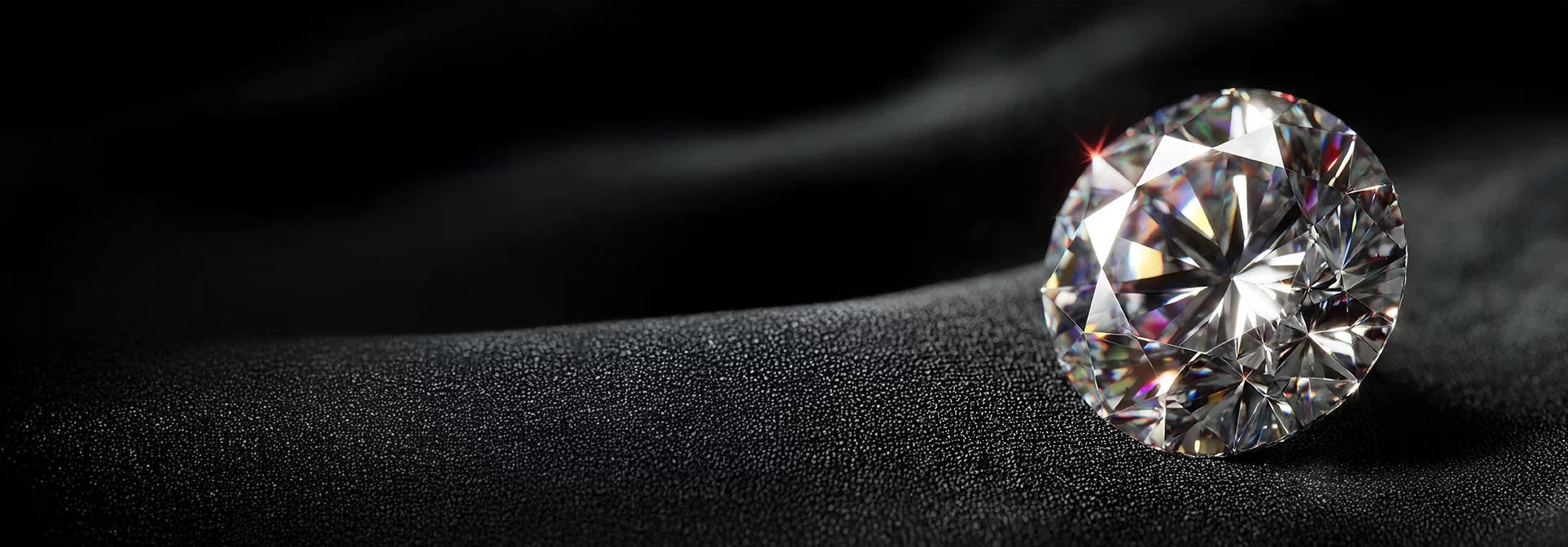
Do diamonds shine or reflect light technically? Ever heard, “shine bright like a diamond?” Diamond shines due to bending and reflecting light through its many facets in a spectacular display. This optical play creates the coveted diamond shine everyone chases after. The shine happens through this intricate light performance inside each carefully crafted stone.
The Role of Light in a Diamond’s Sparkle
Light is the essential ingredient of diamond shine. Without the right quality and quantity of light, even the most perfectly cut diamond will appear flat. Understanding how different forms of light interact with a diamond helps explain why the same stone can look vastly different depending on where and how it is viewed.
Reflection
When light strikes the surface of a diamond, a portion of it bounces back immediately. This is external reflection, and it is responsible for the initial, surface-level gleam that makes a polished diamond visually arresting even before you look closely. The quality of the diamond’s polish directly determines the clarity of the reflected light. A flawlessly polished facet acts like a precision mirror; a poorly finished one scatters and dulls the reflection.
Refraction
Light that enters the diamond rather than bouncing off it is subject to refraction: a bending of the light ray as it crosses from air into the denser medium of the diamond. The degree to which a material bends light is described by its refractive index, and diamond’s refractive index of 2.42 is exceptionally high. This means light bends dramatically upon entry, and if the diamond’s angles are cut correctly, the bent light strikes the interior facets at an angle that causes total internal reflection, bouncing the light back upward through the table rather than allowing it to escape through the base. This is the fundamental mechanism behind a diamond’s luminosity.
Dispersion (Fire)
As light travels through the diamond and exits through the crown facets, it separates into its constituent wavelengths, producing the spectral colours we associate with diamond fire. This is dispersion, and diamond’s high dispersion rate of 0.044 means the colour separation is vivid and visually dramatic. The red, amber, blue, and violet flashes that appear when a diamond is moved in light are the product of this dispersion. It is a phenomenon that no other gemstone replicates with the same intensity.
Light Scope and the Marking Viewer
A light scope is a specialised gemmological instrument used to assess how a diamond manages light in precise optical terms. When a diamond is placed beneath a light scope, the instrument reveals the distribution of brightness, contrast patterns, and light leakage in a way the naked eye cannot detect. A well-cut diamond will display a balanced pattern of light and dark zones, indicating that light is being directed efficiently back toward the viewer.
The Marking Viewer is a complementary tool used alongside the light scope to map a diamond’s facet geometry and assess how symmetry and proportion contribute to its optical performance. Together, these instruments allow gemmologists and trained advisors to evaluate a diamond’s sparkle potential beyond what is visible to the untrained eye, ensuring that the stone you select will perform beautifully across all lighting conditions.
The Science Behind Diamond Sparkle
When light enters diamonds, it bends through refraction before bouncing around internally with precision. White light disperses into a full spectrum of spectral colours as these flashes exit, creating that magical shining diamond effect everyone admires. The diamond sparkle results from this perfect balance between reflection, refraction, and dispersion, all working together harmoniously.
Diamond Cut: The Most Important Factor
Of the four Cs, cut is the single greatest determinant of diamond sparkle. A diamond’s clarity, colour, and carat weight are inherent properties of the rough stone. Cut is the human intervention that either realises or wastes the stone’s optical potential.
Ideal Cut Diamonds
An ideal cut diamond is proportioned with extraordinary precision: specific crown angles, pavilion depths, table percentages, and girdle thicknesses that work in concert to achieve total internal reflection across every facet. In a round brilliant cut to ideal proportions, approximately 98% of the light entering the stone is returned through the crown as brilliance. These stones exhibit the Hearts and Arrows pattern under a specific viewer, a sign of perfect facet alignment and optical symmetry.
Shallow Cut Diamonds
A shallow cut diamond has a pavilion that is too flat relative to its diameter. Light entering from above strikes the pavilion facets at an angle that is less than the critical angle, causing it to pass straight through the base of the stone rather than reflecting back upward. The result is a window effect: a transparent, glassy appearance at the centre of the table where the diamond simply looks through rather than back at you. Shallow cut stones appear larger face-up but sacrifice nearly all their sparkle in exchange.
Deep Cut Diamonds
A deep-cut diamond has an overly steep pavilion. Light entering the stone strikes one pavilion facet and is reflected not back through the crown, but sideways toward the opposite pavilion wall, from which it escapes through the girdle or base. Deep-cut diamonds appear smaller face-up than their carat weight would suggest and display a dark, shadowed centre known as the nail-head effect. Neither shallow nor deep cuts can be corrected by cleaning or setting. They are permanent consequences of the cutting decision.
Brilliance, Fire & Scintillation Explained
Brilliance
Brilliance returns white light from the diamond’s interior with real power and intensity. It creates that signature glow effect even in low lighting conditions, reliably every time. Well-cut stones maximise this inner light return in a truly dramatic fashion.
Fire
Fire disperses white light into a rainbow spectrum of colours in the most beautiful way possible. Those red, blue, and yellow flashes exist through the facets, creating magical prismatic effects that everyone falls in love with. Shine bright like a diamond owes so much to this generous display of fire.
Scintillation
Scintillation produces those lively sparkle patterns you notice every time the diamond moves. The sharp light-dark contrasts across all the facets captivate anyone watching in an instant. More defined patterns always mean superior dynamic diamond sparkle that really stands out.
How Diamond Shape Influences Sparkle
Every diamond shape produces a distinct quality of light. The number of facets, their angles, and their arrangement all vary by shape, resulting in meaningfully different sparkle characters. Understanding these differences helps you choose a shape that matches not just your aesthetic preference but your optical one as well.
Diamond Shape |
Sparkle Character |
Primary Factor |
|---|---|---|
|
Round Brilliant |
Intense white light return and fire |
58 precisely angled facets maximise reflection |
|
Princess Cut |
Sharp, geometric brilliance |
Square corners direct light in four defined axes |
|
Emerald Cut |
Subtle, hall-of-mirrors depth |
Step-cut facets create refined, elongated reflections |
|
Oval |
Soft, continuous sparkle across the length |
Modified brilliant faceting distributed evenly |
|
Marquise |
Dramatic, elongated fire |
Pointed ends create tension sparkle with finger-lengthening effect |
|
Pear |
Dynamic, directional brilliance |
Hybrid brilliant cut merges round and marquise properties |
|
Cushion Cut |
Romantic, diffused sparkle |
Rounded corners scatter light softly for a warm glow |
|
Asscher |
Deep, architectural luminosity |
Step-cut octagonal facets draw light inward |
The Role of Clarity in Sparkle
While cut is the most important factor influencing sparkle, clarity also contributes to a diamond’s overall light performance.
Clarity refers to the presence of inclusions and blemishes within a diamond. In most high-quality diamonds, these characteristics are minor and have little impact on appearance. However, as inclusions become larger or more numerous, they can interfere with the path of light travelling through the stone.
Diamonds with higher clarity grades allow light to move more freely, supporting stronger brilliance and fire. This is one reason why premium clarity grades such as VVS and VS continue to be highly sought after. Their inclusions are minimal, allowing the diamond’s optical performance to remain largely uninterrupted.
That said, clarity should always be evaluated alongside cut. A well-cut VS diamond can often appear more brilliant than a poorly cut diamond with a higher clarity grade. For most buyers, achieving the right balance between cut, clarity, colour and carat weight is the key to exceptional sparkle.
Does Diamond Colour Affect Shine?
Near-colourless G-J grades maintain excellent diamond sparkle and quite alignment for most budgets. The GIA colour scale runs from D (completely colourless) to Z (visibly warm yellow or brown). Colour and sparkle interact in a specific and often misunderstood way. Colour does not directly reduce a diamond’s brilliance or fire. A well-cut diamond in the J colour range will return just as much white light as a well-cut D colour diamond of identical proportions. What colour affects is the warmth and tonal quality of that returned light.
Near-colourless diamonds in the G to J range are visually indistinguishable from D to F stones when mounted in jewellery, particularly in yellow gold or rose gold settings where the metal’s warmth already colours the reflected light. The near-colourless range offers exceptional visual performance at a meaningfully better value.
Fancy colour diamonds, whether vivid yellow, pink, blue, or green, have their own distinct relationship with light. Their colour saturates and warms the brilliance, creating a sparkle that is deeply personal and visually distinctive. A well-cut, shining diamond in a vivid fancy colour is one of the most extraordinary objects in fine jewellery.
Polish, Symmetry & Finish
Excellent polish keeps every facet perfectly smooth for optimal light reflection without any interference. Perfect symmetry aligns all those facets precisely to maximise light control throughout the stone. Superior finish grades elevate even good cuts into something truly dramatic and special.
How Settings and Metals Enhance Sparkle
Open prong settings allow maximum light entry from all angles, boosting brilliance significantly. Halo settings amplify the centre stone sparkle in a multiplicative way that really turns heads. White metals reflect light upward effectively, enhancing fire across the entire piece. Yellow gold adds that warm glow everyone loves, complementing the fire colours beautifully every time.
Why Do Some Diamonds Sparkle More Than Others?
Two diamonds of identical carat weight and price can have dramatically different levels of sparkle. The reasons are specific and identifiable.
- Cut grade disparity. A Good-cut diamond may have pavilion angles just outside the optimal range. The difference in angle of even two or three degrees is invisible to the eye but has a significant effect on whether total internal reflection is achieved. This is the single largest cause of variation in sparkle between diamonds of similar specification.
- Polish variation. A Very Good polish grade, while respectable, allows for minor surface imperfections that an Excellent polish grade does not. In diamonds above one carat where the facets are large enough to be individually perceptible, this difference becomes visible as a subtle reduction in surface brilliance.
- Symmetry deviations. A diamond with a slightly off-centre culet, uneven facet sizes, or a wavy girdle will display an irregular sparkle pattern. These deviations are often invisible in casual viewing but reduce the optical precision of the stone.
- Inclusion type and location. Two diamonds with the same clarity grade may have very different inclusion profiles. A diamond with a single small inclusion near the girdle will sparkle differently from one with a cloud of minute inclusions beneath the table. The grading report describes what is present; a trained advisor can interpret how it affects performance.
- Fluorescence. Strong fluorescence in some near-colourless diamonds creates a slight haziness in intense sunlight, reducing the crispness of brilliance in those conditions. In others, fluorescence is completely neutral. This is a factor worth discussing with a specialist.
Tanishq Tips
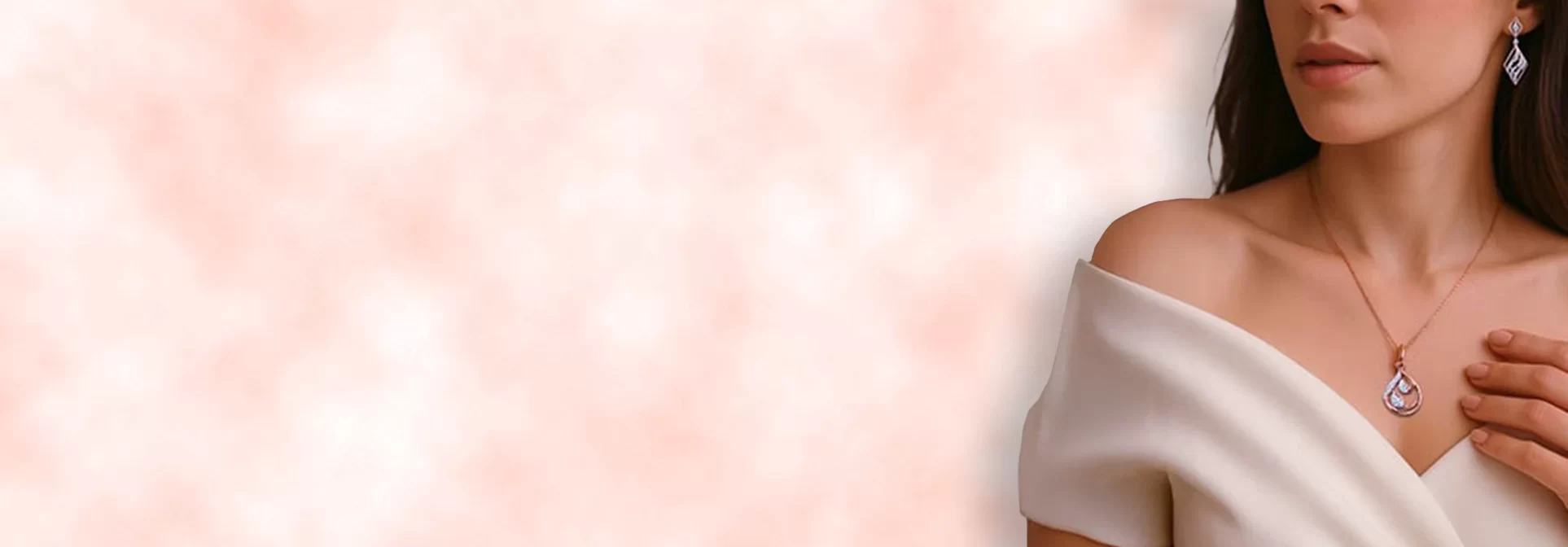
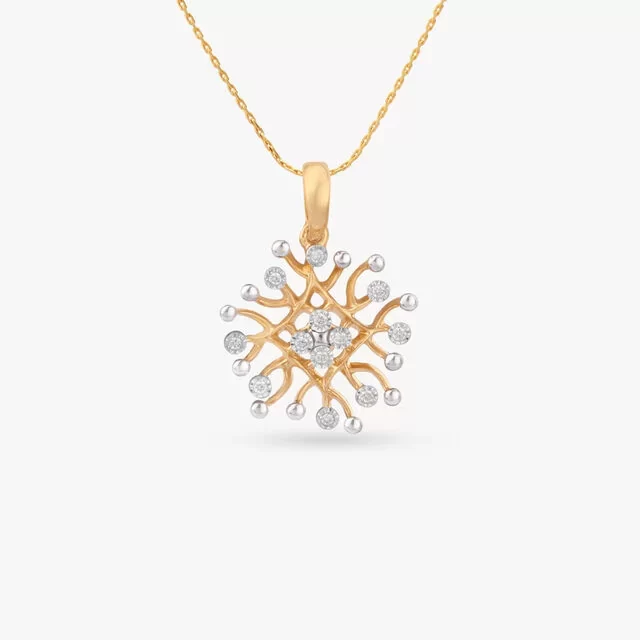
- Position the Radiant Bloom Diamond Pendant under key lighting sources for maximum diamond shine that catches every eye.
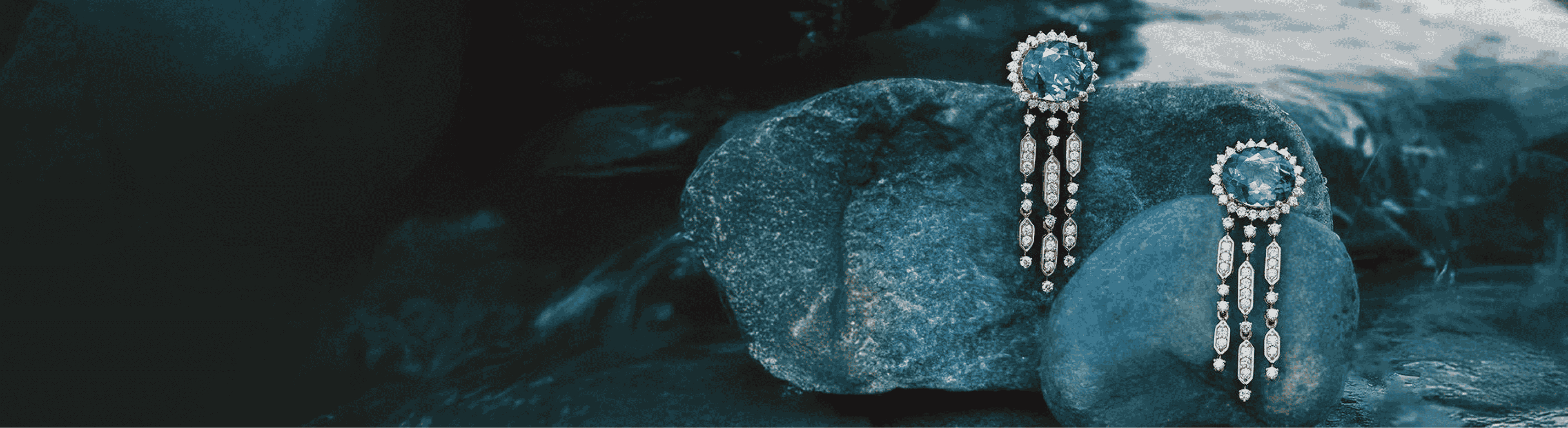
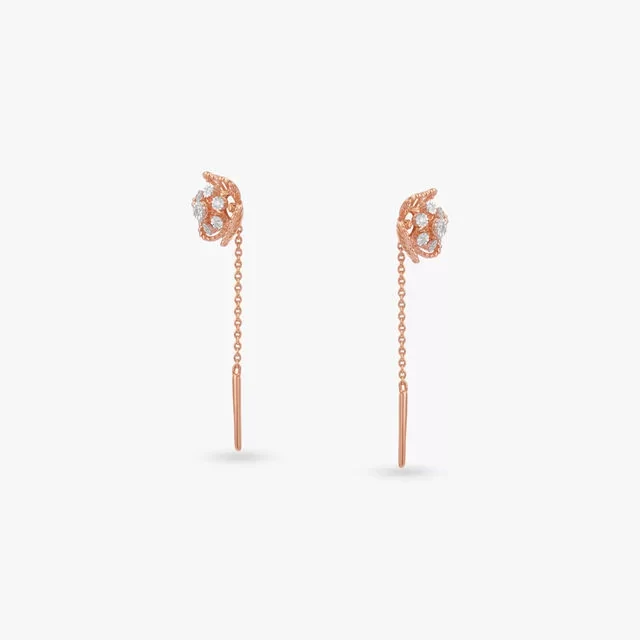
- Pair Floral Cascade Diamond Drop Earrings with updos that showcase their movement and sparkle from every angle.
How to Choose a Diamond That Sparkles the Most
- Prioritise excellent cut grades above literally all other factors when making your choice confidently.
- Seek out those Hearts & Arrows patterns for superior light performance you can actually see.
- Balance carat weight with quality over chasing size alone, always wisely.
- Make sure to view all your options under multiple lighting conditions to see their true potential thoroughly.
Tanishq Tips
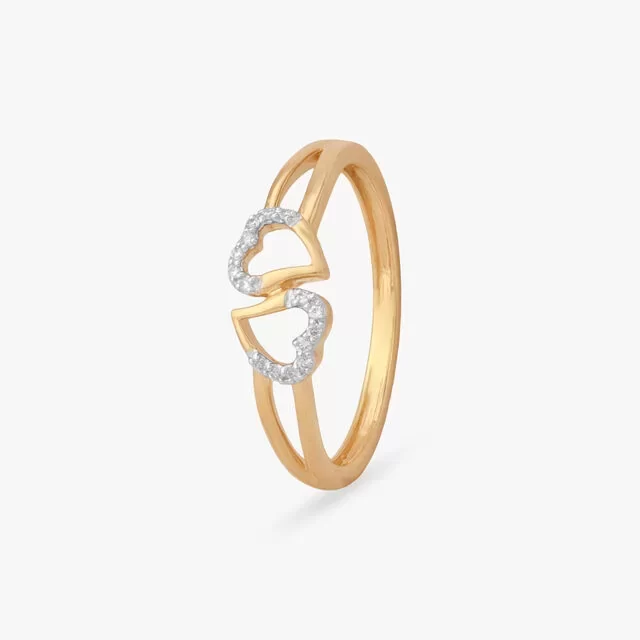
Select Twin Heart Diamond Ring for a symmetrical diamond sparkle that endures through years of wear.
Common Myths About Diamond Sparkle
As it comes to diamond sparkle, a diverse range of assumptions and myths often make their place. Here are the most common myths about diamond sparkle:
Common Myth |
The Truth |
|---|---|
|
Larger diamonds always sparkle more |
Cut quality determines sparkle far more than carat size. A smaller, ideal-cut diamond will outshine a larger, poorly cut stone. |
|
All diamonds sparkle equally |
Cut grade, polish, symmetry, and clarity all vary. Two diamonds of identical carat weight can perform very differently under light. |
|
Cleaning will fix a dull diamond |
Cleaning removes surface film and restores existing sparkle. It cannot improve a diamond’s sparkle beyond what its cut allows. |
|
Lab-grown diamonds sparkle less |
A lab-grown diamond with identical cut, clarity, and polish will sparkle identically to a natural diamond of the same specifications. |
|
D colour diamonds sparkle the most |
Colour affects warmth and tone, not brilliance. A well-cut G colour diamond will outperform a poorly cut D colour stone. |
|
More facets always mean more sparkle |
Facet geometry matters more than facet count. Poorly proportioned facets, regardless of number, will not return light effectively. |
Diamond Expertise Centre (DXC): Discover What Makes a Diamond Truly Sparkle
Reading about diamond shine and experiencing it firsthand with full understanding are two very different things. This is the distinction that Tanishq’s Diamond Expertise Centre (DXC) was created to bridge.
The Diamond Expertise Centre store is a purpose-built consultation space within select Tanishq showrooms where customers can examine their diamond using professional gemmological instruments, guided by trained specialists who understand both the science and the sentiment behind every purchase.
What the Diamond Expertise Centre offers:
- Light scope assessment. See exactly how your diamond manages light, where it performs brilliantly and where, if anywhere, it loses luminosity. This is a level of optical transparency rarely available in retail jewellery.
- Marking Viewer demonstration. Observe your diamond’s facet geometry and symmetry patterns in detail, understanding how the cut translates into the sparkle you see.
- Inclusiometer examination. View any inclusions present in your stone under magnification, understanding their nature, location, and actual effect on sparkle, not just their grade.
- Caratmeter verification. Confirm that your diamond is natural and untreated, with its optical properties exactly as represented.
- Expert consultation. Our diamond specialists guide you through every factor that affects sparkle, cut, clarity, colour, polish, and fluorescence, helping you make a decision grounded in full knowledge rather than assumption.
For those who wish to understand all about DXC before visiting, the Diamond Expertise Centre is Tanishq’s commitment to the principle that a diamond purchase should be made with the same quality of insight that went into creating the stone. Find your nearest Diamond Expertise Centre store and experience your diamond the way it was meant to be understood.
Conclusion
Why do diamonds shine reveals itself through the science of light mastery inside each facet, executed with precision. Diamond sparkle captivates everyone through brilliance, fire, and scintillation, all working together harmoniously. At Tanishq, every diamond is a celebration of this brilliance, crafted to catch not just light, but the gaze of the world. So go ahead: choose the piece that makes you feel like your brightest self.
Frequently Asked Questions
Sunlight's full spectrum maximizes dispersion, creating superior fire rainbow effects naturally across all facets.
Proper care preserves diamond shine indefinitely through the years - cut quality never diminishes at all.
Identical cut specs produce equivalent diamond sparkle regardless of whether it's lab-grown or natural origin.
Yes, cut has a greater impact on sparkle than clarity because it determines how effectively a diamond reflects and returns light.
No, sparkle alone cannot confirm authenticity, and specialised testing is required to identify a real diamond.