 GET THE APP


Introduction
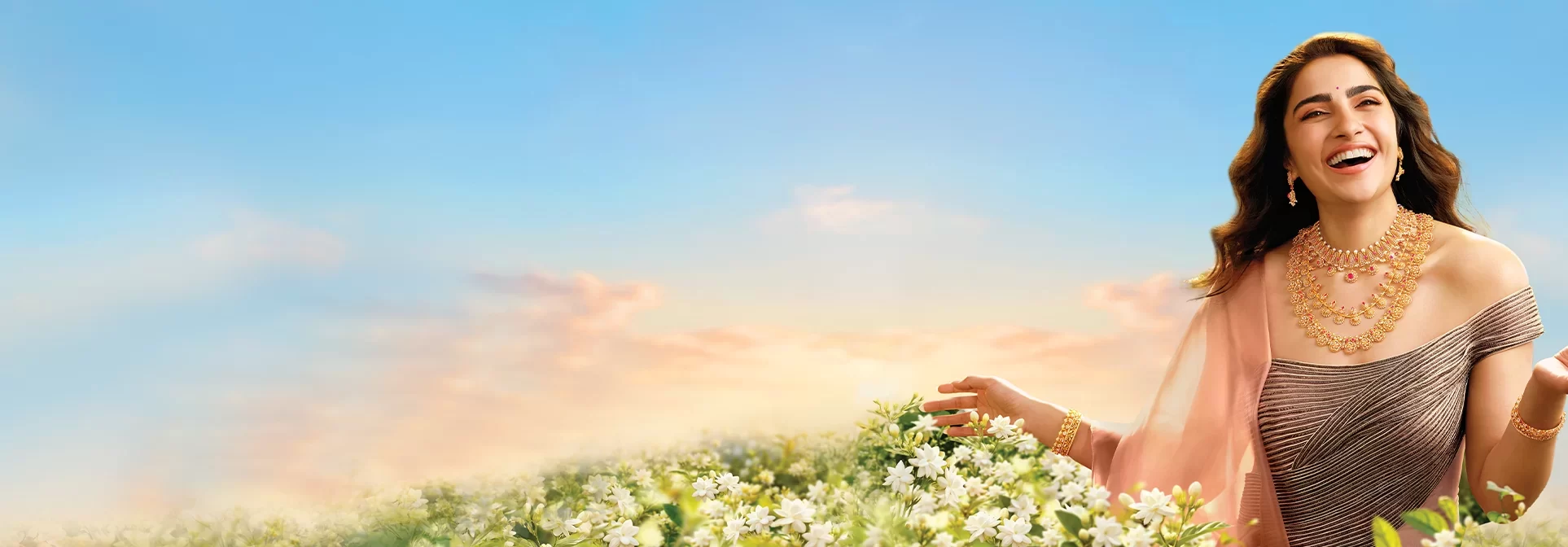
Not every diamond begins with a perfect outline and a shower of sparkle. Before it’s cut into a round, oval or emerald shape, a diamond looks altogether different. It starts off as something more earthy, less symmetrical and often more intriguing.
Uncut diamonds celebrate that original character. Rather than hiding natural variations behind precisely engineered facets, they allow the stone’s irregular shape, inclusions and soft glow to become part of the design. The result feels luxurious, but not overly polished. Traditional, yet surprisingly modern.
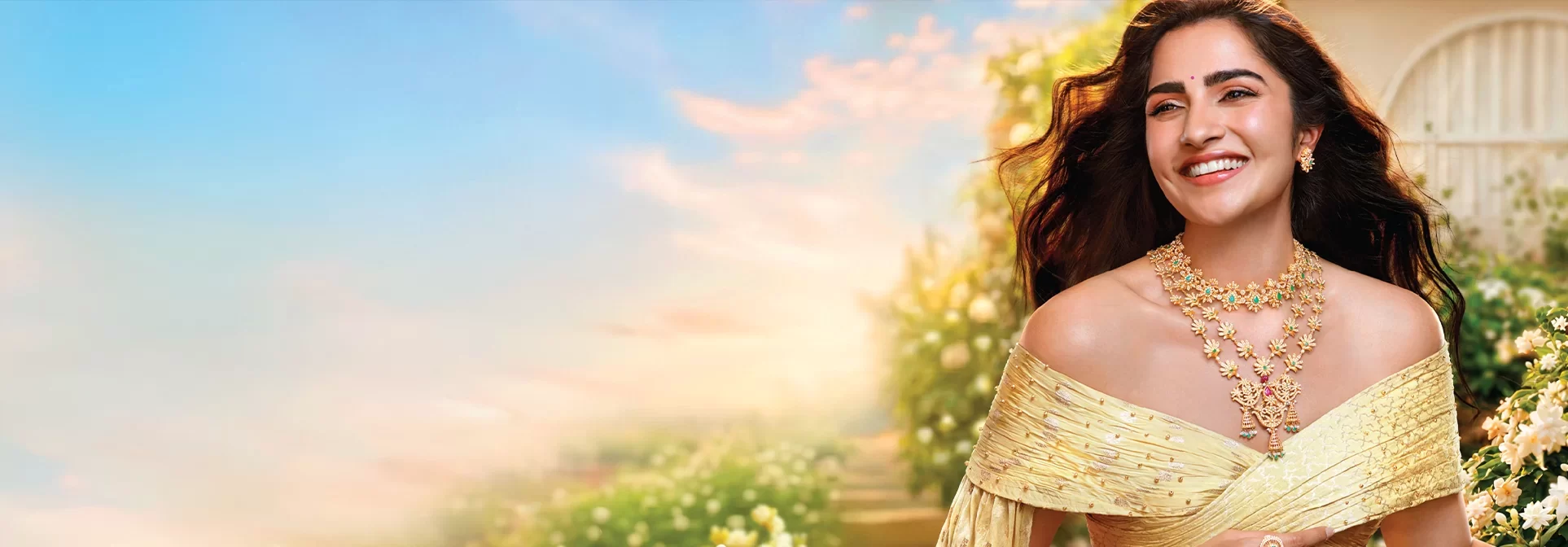
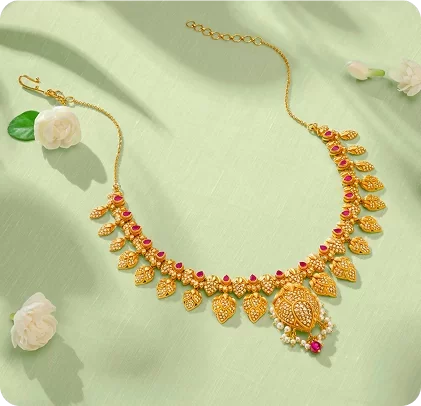
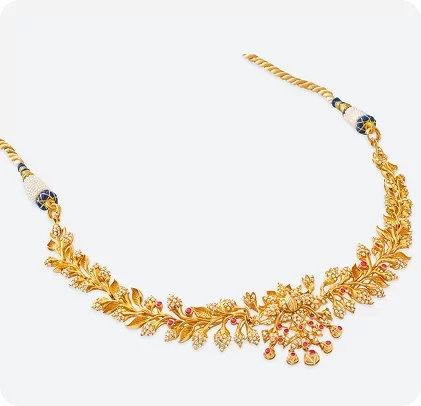
Tanishq’s Bud Harmony Gold Necklace for instance, pairs uncut diamonds with rubies and pearls in 18 carat yellow gold, using sculpted jasmine-bud motifs to give traditional craftsmanship a graceful, contemporary expression. In India, an uncut diamond is closely associated with Polki jewellery, bridal heirlooms and elaborate gold craftsmanship. Today, however, designers are also placing them in lighter necklaces, rings, earrings and bracelets that work beyond weddings.
What Is an Uncut Diamond?
An uncut diamond is a diamond that hasn’t been shaped and faceted into one of the familiar polished forms seen in conventional diamond jewellery.
In its earliest state, it’s known as a rough diamond. It may have a recognisable crystal structure, an irregular outline or a surface that looks cloudy, waxy or slightly translucent. Some rough diamonds resemble small pieces of glass or quartz.
The term uncut diamond, however, can mean slightly different things depending on the context. In jewellery, the stone may have been cleaved, sliced or gently shaped so that it can be set securely. It simply hasn’t been given the numerous precision-cut facets associated with a polished diamond.
That distinction matters. An uncut diamond in a necklace isn’t necessarily exactly as it came out of the earth, but it still retains far more of its natural form than a conventionally cut stone.
Uncut Diamonds vs Cut Diamonds: Key Differences
Both types begin as a natural diamond. What changes is the way the stone is shaped, finished and set. Here is a brief overview of uncut vs cut diamond features:
Feature |
Uncut Diamond |
Cut Diamond |
|---|---|---|
|
Appearance |
Organic, irregular and naturally textured |
Symmetrical, refined and precisely shaped |
|
Surface |
Raw, minimally finished or only lightly polished |
Smooth and highly polished |
|
Facets |
Few or no engineered facets |
Multiple facets arranged to control light |
|
Sparkle |
Soft glow or subtle reflection |
Noticeable brilliance, fire and scintillation |
|
Shape |
Determined largely by the original rough stone |
Cut into forms such as round, oval, pear or princess |
|
Inclusions |
Often visible and treated as part of the stone’s character |
Frequently minimised or positioned strategically during cutting |
|
Carat retention |
More of the original rough may be retained |
Some weight is lost during cutting and polishing |
|
Design style |
Traditional, artisanal, vintage or organic |
Classic, contemporary or highly refined |
|
Typical use |
Open Polki jewellery, statement pieces and heritage-inspired designs |
Engagement rings, solitaires and everyday diamond jewellery |
|
Light performance |
Depends on the natural surface and setting |
Engineered to reflect and return light effectively |
|
Pricing |
Influenced by natural form, quality, rarity and craftsmanship |
Commonly evaluated through the 4Cs and cut quality |
Types of Uncut Diamonds Used in Jewellery
Uncut diamonds can appear in different forms depending on how much the natural stone has been shaped or finished.
Polki diamonds: Minimally finished natural diamonds commonly used in traditional Indian jewellery, known for their irregular outlines and soft glow.
Rough or raw diamonds: Diamonds that retain much of their original crystal structure, surface texture and natural inclusions.
Diamond slices: Thin sections of rough diamonds that preserve their organic outlines and internal patterns, often used in rings, earrings and pendants.
Minimally shaped diamonds: Uncut diamonds that are lightly shaped or polished to make them easier to set while retaining their natural appearance.
How Are Uncut Diamonds Different from Polished Diamonds?
With a polished diamond, the eye is usually drawn to brilliance, symmetry and clarity. With an uncut diamond, attention shifts to shape, texture, colour and the way the stone sits within the overall composition.
This changes the way each type of diamond is appreciated.
History and Cultural Significance of Uncut Diamonds in India
In India, uncut diamond jewellery has a cultural presence that goes far beyond fashion.
Polki jewellery has long been associated with elaborate craftsmanship, ceremonial dressing and pieces intended to be treasured across generations. Rich gold settings, natural diamonds, coloured gemstones and detailed enamel work often come together in designs that feel almost architectural.
Bridal jewellery remains one of its most recognisable expressions. Wide necklaces, layered pieces, chandbali earrings, elaborate bracelets and statement rings allow uncut diamonds to become part of a larger composition rather than functioning as solitary stones.
Grading and Valuation of Uncut Diamonds
Uncut diamonds are valued differently from conventionally polished stones. Since they haven’t been precision-faceted, their appeal depends more on their natural character than on cut grade.
Key factors include carat weight, colour, clarity, transparency, natural shape and surface condition. A well-formed crystal or distinctive appearance can add to a stone’s desirability, while cracks, chips or heavy inclusions may affect its value and durability.
In finished jewellery, the price also reflects gold purity and weight, additional gemstones, setting complexity and craftsmanship. This is why uncut diamond jewellery isn’t necessarily less expensive simply because the stone has undergone less processing.
18 Carat Gold Jewellery – The Ideal Match for Uncut Diamond Jewellery
For contemporary uncut diamond jewellery, 18 carat gold often strikes an appealing balance between richness and strength. The benefits of 18 carat gold jewellery with uncut diamonds include:
- Greater strength for detailed settings.
- Enough structural support for irregularly shaped stones.
- A luxurious gold appearance.
- Suitability for both traditional and modern designs.
- Availability in yellow, white and rose-gold tones.
Popular Uncut Diamond Jewellery Designs
Uncut Diamond Necklaces
Necklaces remain one of the most striking ways to wear uncut diamonds. Traditional designs may arrange individual stones in elaborate patterns framed with gold and combined with emeralds, rubies, pearls or meenakari work.
A piece like Tanishq’s Crested Vine Gold Necklace Set brings this richness to life with uncut diamonds, emeralds, rubies and pearls set in 18 carat yellow gold, finished with carved leaves and jasmine-inspired motifs.
Uncut Diamond Earrings
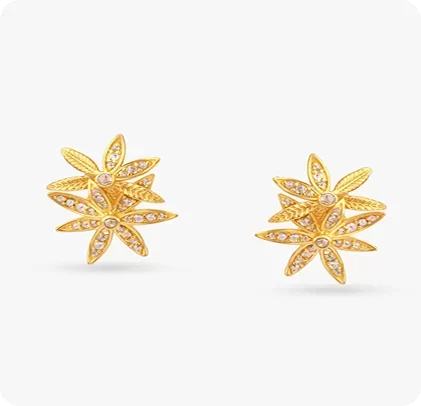
Chandbalis, drops and statement earrings allow the organic shapes of uncut diamonds to become part of an intricate composition.
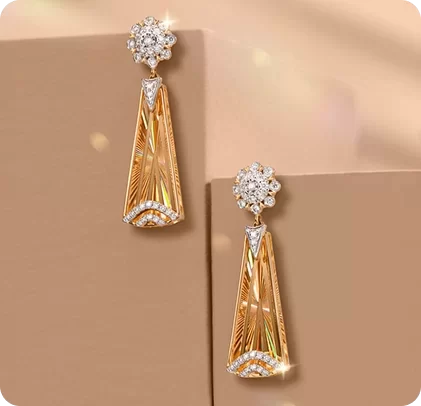
A pair like Tanishq’s Twin Bloom Gold Stud Earrings brings uncut diamonds into a sculptural jasmine-inspired design, with layered 18 carat yellow gold petals creating depth while the stones add a softer, natural glow.
Uncut Diamond Bangles
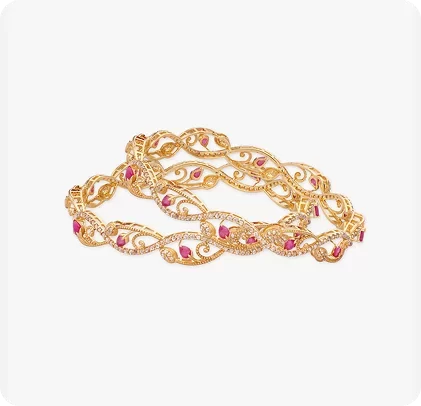
Uncut diamond bangles bring traditional craftsmanship into a more wearable form. They can be richly detailed for festive occasions or styled with cleaner lines for a more contemporary look.
For instance, a pair like Tanishq’s Twining Grace Gold Bangles brings together uncut diamonds, rubies and 18 carat yellow gold in a design that feels ornate without appearing overly heavy.
Buying Guide for Uncut Diamond Jewellery
A natural uncut diamond is a real diamond. However, a rough appearance alone does not establish authenticity.
Quartz, topaz, glass and other materials can sometimes resemble rough diamonds, particularly to an untrained eye, so professional assessment is important when buying uncut diamond jewellery.
Also check the security of the setting and overall craftsmanship. Irregular stones need well-constructed settings that protect vulnerable edges while complementing their natural form.
Consider how you plan to wear the piece, too. Elaborate Polki designs suit weddings and celebrations, while lighter rings, earrings and bracelets work well for more frequent wear.
Explore Uncut Diamonds with Tanishq’s Diamond Expertise Centre (DXC)
At Tanishq’s Diamond Expertise Centre Store, customers can explore diamond authentication, quality and light behaviour through expert guidance and specialised technology. The experience is designed to make diamond buying more transparent, helping customers compare stones and better understand the details behind their jewellery.
That guidance is especially valuable with uncut diamonds. Because natural shape, inclusions and surface character are integral to their appearance, they can’t always be judged using the same expectations applied to conventionally polished stones.
Conclusion
An uncut diamond doesn’t try to look perfect, its shape follows nature rather than a cutting diagram. Its inclusions tell part of its story. Its glow is subtler than the brilliance of a faceted stone, yet it brings depth, warmth and unmistakable character to jewellery.
From richly detailed Polki necklaces to modern raw-diamond rings, these stones move easily between heritage and contemporary design. They’re real diamonds, simply appreciated through a different lens.
For those who value individuality, craftsmanship and a touch of the unexpected, uncut diamond jewellery offers something a perfectly symmetrical stone never quite can.
Frequently Asked Questions
Yes. A natural raw diamond is a real diamond that hasn’t been conventionally cut and polished. However, a rough appearance alone doesn’t confirm authenticity. Professional testing is the most reliable way to determine whether a stone is a natural diamond.
The sparkle of a polished diamond comes from carefully planned facets that reflect and refract light. An uncut diamond has few or no engineered facets, so light doesn’t travel through it in the same controlled way.
Not necessarily. Some uncut diamonds cost less because they require less processing or have lower clarity. Others may be valuable because of their size, colour, crystal shape or rarity. In finished jewellery, gold weight, craftsmanship, setting complexity and design can raise the overall price considerably.
Important factors include carat weight, colour, transparency, inclusions, natural shape, surface condition, rarity and authenticity. For jewellery, the gold purity, gold weight, additional gemstones and quality of craftsmanship also affect the final price.
Some uncut diamond jewellery can be worn regularly, particularly when the stones are securely set in a well-constructed design. Delicate Polki, foil-backed or heavily detailed pieces may be better reserved for occasional wear.