 GET THE APP



Introduction
There is a particular kind of pause that happens at a jewellery counter when colour catches your eye. Not the loud kind, but the kind that feels familiar. Like the first slice of mango in summer, or a bougainvillea shock of pink against a white wall. You reach out, almost instinctively, because gemstone jewellery does that. It meets mood before it meets logic.
And then, softly, the question arrives: is it real?
In India, we inherit more than ornaments. We inherit discernment. The ability to look closely, to listen for what rings true, to value proof over promise. Whether you are choosing a ring that feels like your signature, or earrings you will wear on ordinary Tuesdays, knowing the difference between natural gemstone jewellery and imitation is not about suspicion. It is about respect for craft, for material, and for your own choices.
What is Natural Gemstone Jewellery?
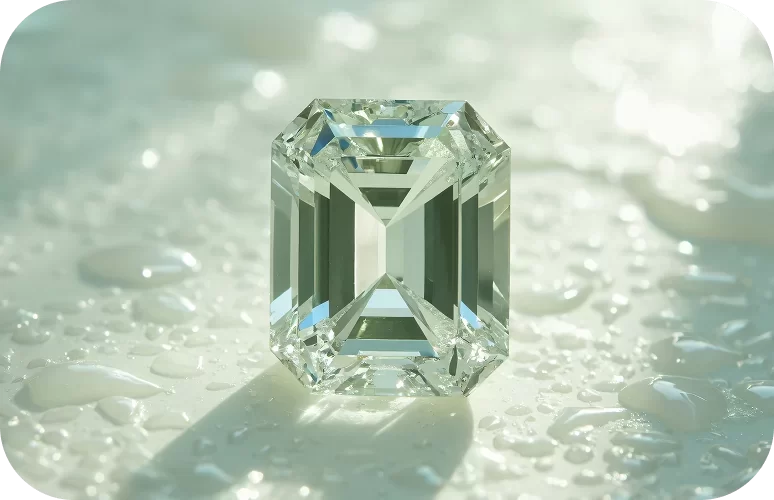
Natural gemstone jewellery uses stones formed by the earth over time, each with its own tiny irregularities and character. A natural emerald may carry fine inclusions, a ruby may hold a whisper of silk, an amethyst may show gentle zoning. These are not flaws in the way fast fashion defines flaws. They are fingerprints.
When set well, natural stone jewelry allows the gem to be the hero, with gold and form designed to frame its personality. It is why colour can feel sculptural and alive, not flat or overly perfect.
What is Artificial (Synthetic) Gemstone Jewellery?
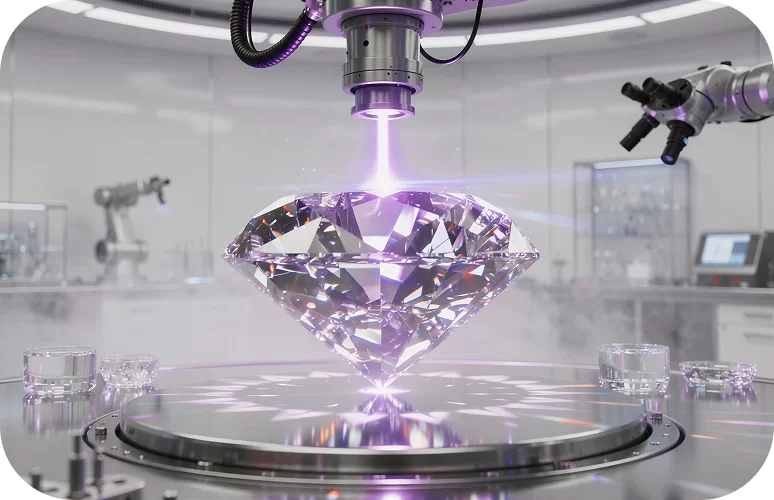
Artificial gemstone jewellery typically uses stones made in a lab or created to imitate the look of natural gems. Some synthetic stones share the same chemical composition as their natural counterparts, while others are simply look-alikes made of glass or composites.
They can be beautiful and accessible, but they are different in origin, rarity, and long-term value. The key is transparency, so you know exactly what you are buying.
Natural vs Artificial Gemstones: Key Differences
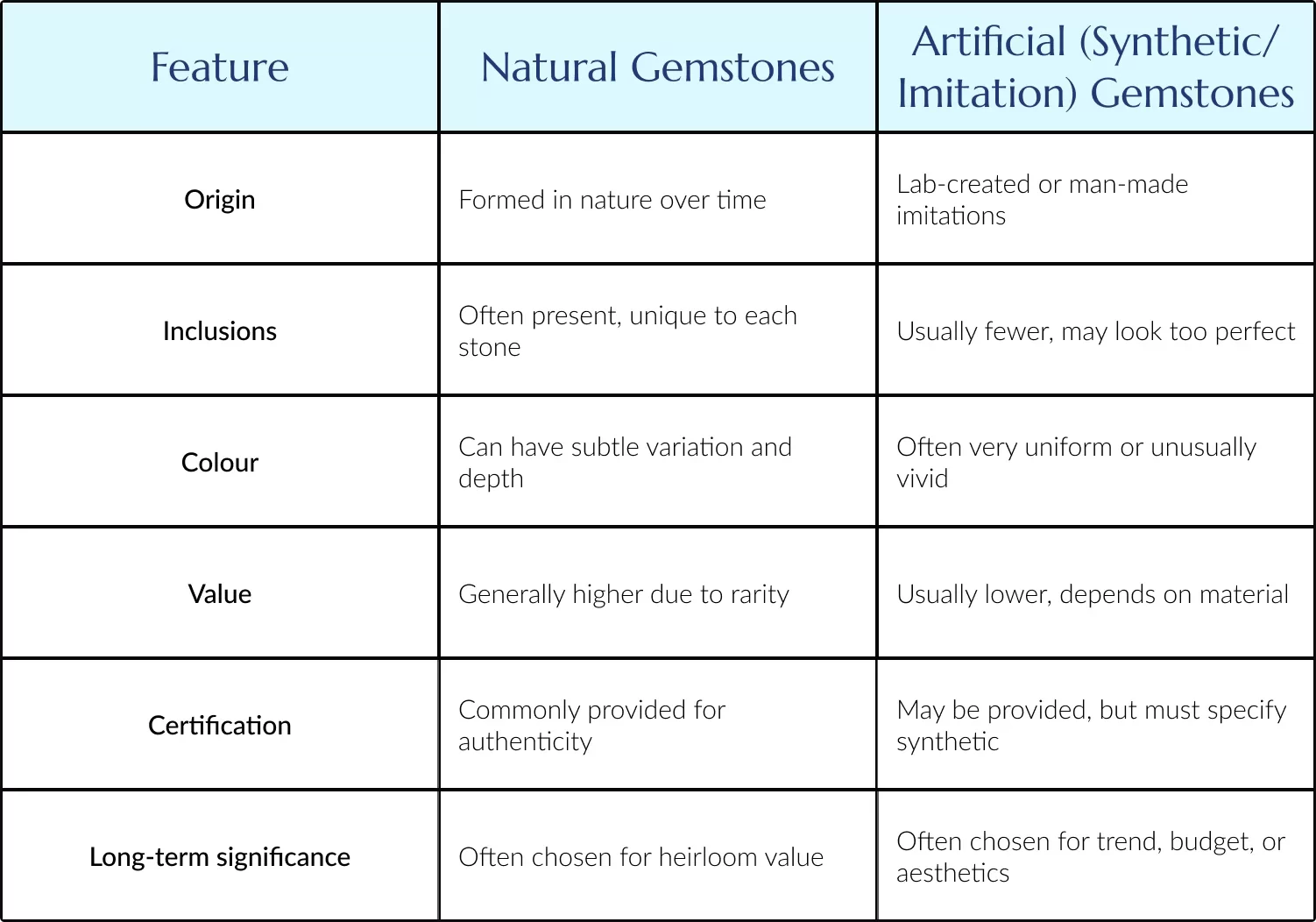
How to Identify Real Gemstone Jewellery
Check for Inclusions
Natural stones often have minute inclusions visible under magnification, like tiny threads, specks, or soft internal landscapes. Perfect clarity is not always a sign of quality. Sometimes it is a sign of manufacture.
Observe Color
Real stones tend to have depth, with slight shifts when you tilt them. If the colour looks uniformly painted on, or almost neon in a way that feels unnatural, pause and ask questions. Natural gemstone jewellery often has nuance rather than sameness.
Temperature Test
Genuine stones usually feel cool to the touch and take a little longer to warm up in your palm than plastic or glass imitations. This is a simple at-home clue, not a final verdict.
Weight & Density
Many natural gems have a satisfying heft for their size. Glass can mimic weight sometimes, but cheap imitations often feel lighter than expected. Compare similar pieces if you can, especially for gemstone rings.
Certification Matters
The most dependable way to confirm authenticity is certification from a trusted source. For original gemstone jewellery, documentation should clearly state what the stone is and whether it is natural, treated, or synthetic. At Tanishq, trust is built through proof over promise, with craftsmanship and quality checks that make your purchase feel considered, not complicated.
Tips for Buying Original Gemstone Jewellery
Choose a jeweller who explains, not evades. Ask direct questions about whether the stone is natural, synthetic, or treated, and request written details. View the piece under different lighting, because colour stones can change character from store light to daylight. And consider how you will live in it. Gemstone earrings meant for daily wear should feel secure, smooth against skin, and finished with care.
If you are building a modern colour wardrobe, natural stone jewelry can become wonderfully personal. A peridot that feels like fresh leaves, a turquoise that holds the calm of open sky, a tourmaline that shifts like mood itself. This is where design-led collections like Vanrangani sit beautifully, placing real gemstones at the centre, shaped and set with contemporary Indian sensibility.
Common Myths About Gemstones
One myth is that real means flawless. In reality, nature is rarely sterile. Another is that all artificial stones are fake. Some are responsibly lab-created and honestly sold, and that honesty is what matters. And finally, many believe colour stones are only for occasional dressing. The right cut, setting, and scale can make them quietly wearable, even on the most unremarkable day.
Conclusion
In the end, learning to identify real stones is less about catching someone out and more about stepping into your own certainty. Natural gemstone jewellery carries time inside it. Artificial gemstone jewellery can carry convenience. What you choose should match your intention.
And when you choose with clarity, jewellery stops being just an accessory. It becomes a small, steady kind of truth you can wear.

Frequently Asked Questions
If you value rarity, long-term significance, and the possibility of heirloom keeping, natural gemstone jewellery is often worth it. The value is not only financial, but emotional and material.
To the untrained eye, some can look very similar, especially under store lighting. That is why observation plus documentation is important.
It should. Certification or authentic documentation is one of the clearest markers of original gemstone jewellery, along with transparent disclosure of treatments.
Both can work, depending on the stone type, setting quality, and your lifestyle. For everyday wear, prioritise durability, secure settings, and clear information about what you are buying.