 GET THE APP



Have you noticed how gold means different things at different stages of life?
At one point, it might be the chain you buy with your first bonus. Later, it could be a wedding bangle, a treasured heirloom or a thoughtfully chosen set that you hope to pass on someday. And increasingly, it can also take forms that don’t sit inside a jewellery box at all.
That’s where gold certificates come in.
For anyone exploring different ways to own gold, understanding how gold certificates work can be useful. And even if you’re someone who still loves the idea of bringing home a beautifully crafted piece of jewellery, knowing the various forms gold ownership helps you make more a informed decision.
What is a Gold Certificate?
A gold certificate is a document that represents ownership of a specified quantity of gold without requiring you to physically store the metal yourself.
Historically, gold certificates were issued by banks and institutions as proof that a certain amount of gold was being held on behalf of the owner. Instead of taking possession of the gold, the investor held a certificate that represented that ownership.
In simple terms, a gold certificate functions as a certificate of gold ownership, without having to manage its storage, transportation or security. While the concept has evolved over time, the principle remains the same: ownership of gold without necessarily holding physical gold.
How Gold Certificates Work
When you purchase a gold certificate, the issuing institution records ownership of a specific quantity of gold in your name. Rather than receiving bars, coins or jewellery, you receive documentation confirming your ownership.
Depending on the structure of the certificate, you may be able to:
- Hold it as an investment
- Trade or transfer ownership
- Redeem it for physical gold in certain cases
- Track its value in line with prevailing gold prices
The exact mechanics vary depending on the issuer and the type of certificate being offered. For many investors, the appeal lies in convenience.
Types of Gold Certificates
Not all gold certificates work in exactly the same way.
Allocated Gold Certificates
With allocated certificates, specific quantities of gold are set aside and assigned to the investor. This means the gold exists separately and is directly linked to the certificate holder.
Unallocated Gold Certificates
With unallocated certificates, ownership represents a claim on a pool of gold rather than specific identified holdings. This approach is commonly used by financial institutions and can operate differently depending on the issuer.
Redeemable Certificates
Some certificates allow investors to convert their holdings into physical gold under certain conditions. This may include bars or even a certified gold coin, depending on the programme.
Non-Redeemable Certificates
These certificates function primarily as investment instruments and may not provide a physical redemption option.
Tanishq Tip:
The most useful question isn’t “What type of certificate is this?” but “What exactly does this certificate allow me to do?”
Gold Certificates vs Physical Gold
The choice between certificates and physical gold often depends on what role gold plays in your life.
Gold Certificates |
Physical Gold |
|---|---|
|
Represent ownership through documentation |
Provides direct possession |
|
No storage requirements |
Requires secure storage |
|
Primarily investment-focused |
Can be worn, gifted or passed down |
|
No wearability |
Holds both practical and emotional value |
|
May offer trading flexibility |
Becomes part of traditions and milestones |

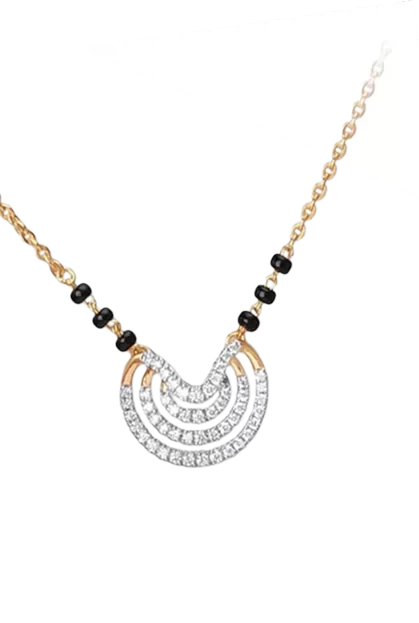
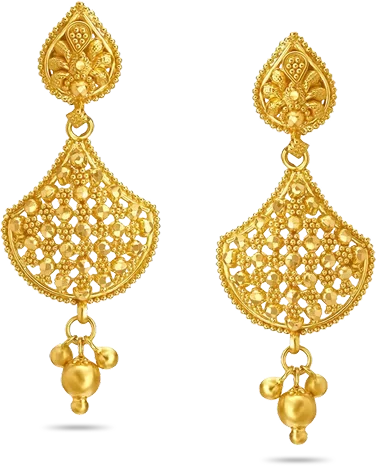
For many people, gold is about more than value alone. A wedding bangle, a cherished chain or a thoughtfully chosen gold mangalsutra often carries memories alongside material worth. Pieces such as the Sublime Classy Gold Mangalsutra, Heirloom Heart Gold Necklace or Bedazzling Rawa Work Gold Drop Earrings frequently become part of family stories over time, moving from being a purchase to becoming something deeply personal.
Advantages of Gold Certificates
There are several reasons why some investors choose gold certificates.
Convenience
There is no need to worry about storing, transporting or securing physical gold.
Accessibility
They bring gold into your life without requiring the purchase of large quantities of the metal.
Portfolio Diversification
It is a great way to diversify your broader financial holdings as an investor.
Reduced Storage Concerns
Physical gold requires safekeeping. Certificates remove that responsibility from the owner.
That said, these benefits should always be considered alongside factors such as issuer credibility, transparency and redemption terms.
Gold Certificates vs Digital Gold
Although they are often discussed together, gold certificates and digital gold are not the same thing.
Digital gold allows investors to purchase fractional quantities of gold online, with the underlying metal typically stored by a service provider. Gold certificates, meanwhile, focus on documented ownership through a certificate structure.
The differences generally come down to:
- Ownership model
- Issuing institution
- Redemption options
- Regulatory framework
- Storage arrangements
Understanding these distinctions can help you evaluate which option aligns best with your objectives.
Are Gold Certificates Safe?
The safety of a gold certificate depends largely on the institution issuing it and the transparency of the programme itself.
Before investing, it is important to understand:
- Who is issuing the certificate
- Whether the gold is allocated or unallocated
- The redemption process
- Associated fees
- The rights granted to certificate holders
As with any financial decision, clarity matters.
The same principle applies when purchasing physical gold. Whether you’re buying an investment product or selecting gold jewellery, understanding exactly what you’re paying for is always important.
Tanishq Tip:
Transparency should never feel like a bonus. It should be the starting point of any purchase involving gold.
Who Should Invest in Gold Certificates?
Gold certificates may appeal to people who:
- Want exposure to gold without storing it physically
- Prefer investment-focused ownership
- Are comfortable with certificate-based holdings
- Want diversification through gold
On the other hand, those looking for gold that can be worn, gifted, exchanged or passed down may find greater value in physical gold products. Whether it’s an everyday piece or a milestone purchase, physical gold offers a dimension of use and emotional connection that extends beyond ownership alone.
The Tanishq Perspective
At Tanishq, we understand that people engage with gold in different ways. For some, gold is an investment. For others, it marks a milestone, celebrates a relationship or becomes part of a family’s story.
While gold certificates offer one way to participate in gold ownership, physical gold continues to hold a unique place because it combines tangible value with personal meaning. When purchasing gold jewellery, transparency becomes especially important. Every piece is BIS hallmarked and carries an HUID code, making purity easy to verify. Get to know what is the gold hallmark here in detail. In addition, each piece undergoes more than 35 quality checks to help ensure consistency in purity, finish and craftsmanship. Customers also benefit from detailed itemised billing, net-weight pricing and clearly communicated making charges. This means you’re able to understand exactly what contributes to the value of the piece you’re choosing. Tanishq is also home to over 1.8 lakh designs starting from ₹15,000, offering options across different occasions, styles and life moments.
Conclusion
By now, you’ve probably realised that gold certificates and physical gold are not really substitutes for one another. They simply serve different purposes.
Understanding these differences is what matters most. Once you know how gold certificates work, how they compare to physical gold and what role each can play, you’re in a much stronger position to decide what aligns with your goals.
For some, that may mean a gold certificate. For others, it may be a carefully chosen piece of jewellery that becomes part of everyday life. And sometimes, it may be a combination of both.

Frequently Asked Questions
A gold certificate is a document that represents ownership of a specific quantity of gold without requiring the owner to physically possess or store the metal.
No. A gold certificate represents ownership through documentation, while physical gold involves direct possession of the metal itself.
Their safety depends on factors such as the issuing institution, ownership structure, transparency and redemption terms.
Some certificates offer redemption into physical gold, while others do not. The terms vary depending on the issuer and the specific programme.
Allocated certificates correspond to specific quantities of gold assigned to the investor. Unallocated certificates represent a claim on a larger pool of gold.
Neither is universally better. The right choice depends on your investment objectives, preferred ownership structure and comfort with different forms of gold exposure.