 GET THE APP


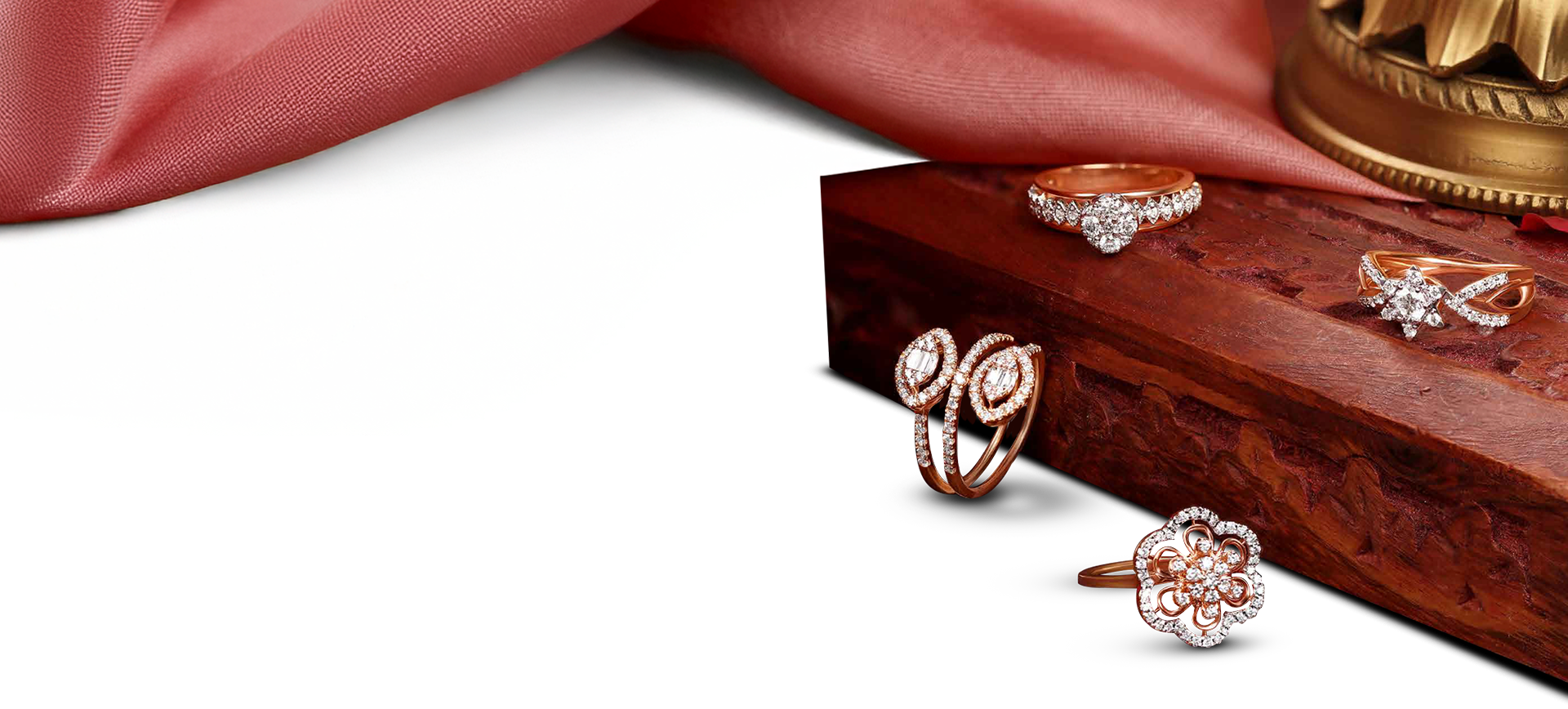
The mention of the word ‘diamond’ brings up an imagery of the precious gemstone that sparkles like a thousand stars. Did you know? This doesn’t apply to all kinds of different types of diamonds. Yes, you heard it right – there are different types of diamonds that exist, with each having its unique properties.
Each diamond has four Cs or characteristics – colour, clarity, carat and cut, which determines how it will look. Plus, it’s also how these gemstones lend itself to jewellery pieces like rings, earrings, bracelets or necklaces.
This guide will help you identify different types of diamonds, so that shopping for them becomes much simpler!
How Diamonds Are Classified – The Basics
Diamonds get classified by the four Cs. The cut defines the number, shape and alignment of facets, which determines light performance. The colour scales from D to Z, where D represents colourless and Z marks light yellow. Clarity measures inclusions and blemishes visible at 10X magnification. Carat weight equals 0.20 grams per unit.
Main Categories of Diamonds
Diamonds fall into broad categories by origin and treatment. Consumers recognize four primary groups of types of diamonds beyond technical classifications.
The Consumer Way of Classifying Diamonds
- Natural diamonds
Natural diamonds consist of 99.95% carbon and appear colourless and sparkling. Nature shapes them over time, making every natural diamond unique with its inclusions and colour variations. These remain sought-after for their rarity and exclusivity.
- Treated diamonds
Treated diamonds enhance natural diamonds through artificial methods. These external treatments make them more pocket-friendly while resembling high-quality real diamond appearance.
- Man-made diamonds
Man made diamonds get created in laboratories using advanced technology. Manufacturers produce them in large quantities, so they offer affordable types of diamonds without natural exclusivity.
- Natural coloured diamonds
Natural coloured diamonds appear in shades like pink, yellow, blue, green, white or black. Trace elements during formation create these vivid types of diamonds.
The Technical Way of Classifying Diamonds
Technically, how many types of diamond exist? Experts identify four types based on nitrogen and boron impurities.
- Type Ia
Type Ia diamonds show a yellowish tinge from clustered nitrogen impurities. These represent the most common types of diamonds found commercially.
- Type IIa
Type IIa diamonds lack nitrogen impurities. Extreme pressures deep in the earth create their bright sparkle and rarity.
- Type Ib
Type Ib diamonds scatter individual nitrogen atoms throughout the stone. This produces yellow, orange or brown hues in these unique gems.
- Type IIb
Type IIb diamonds contain boron instead of nitrogen alongside carbon. They display a bluish or blue-grey coloration.
Types of Diamonds vs. the Four Cs
Different types of diamonds interact uniquely with the four Cs:
- Natural diamonds display authentic inclusions that naturally affect clarity grades while showing true colour variations.
- Treated diamonds artificially enhance colour grades and improve clarity through processes like irradiation or coating.
- Man made diamonds allow manufacturers precise control over cut quality and consistent carat weight during production.
- Natural coloured diamonds exhibit exceptional colour from trace elements, often commanding premium pricing across all four Cs.
- All types of diamonds benefit most from excellent cut for maximum sparkle and light performance.
Choosing Diamonds: What to Prioritize
Match types of diamonds to your occasion and budget. Prioritize excellent cut for maximum sparkle in real diamond jewellery. Always consider certification for natural diamonds authenticity.
Tanishq Tip:
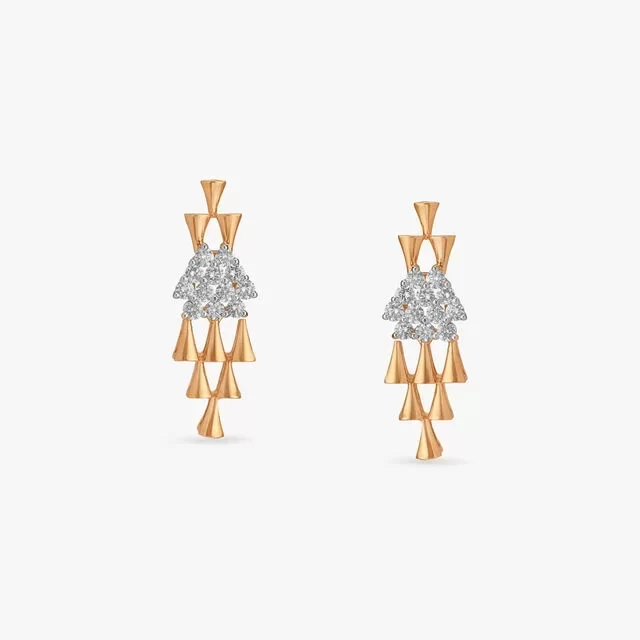
- Opt for the Pyramid Cascade Diamond Drop Earrings if you’re looking for the perfect round diamond earrings.
- Balance all four Cs when selecting a real diamond ring for best value.
When & Why Different Diamond Types Work
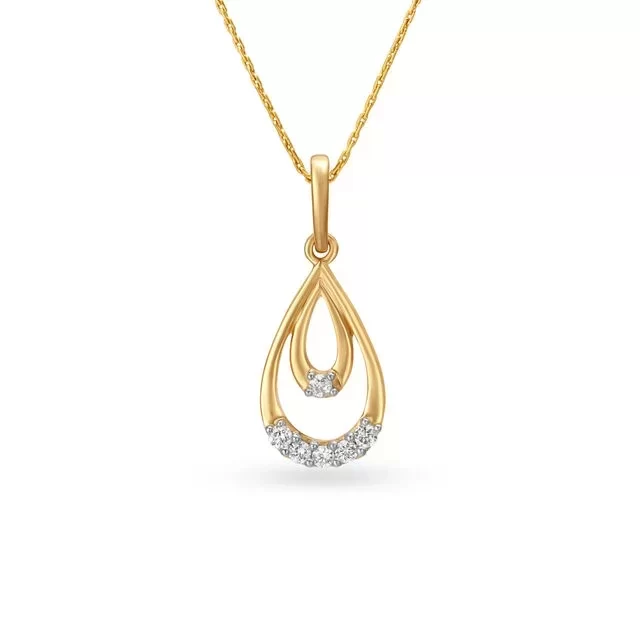
Natural coloured diamonds create bold statements in pieces like the Teardrop Shaped Yellow Gold and Diamond Pendant.
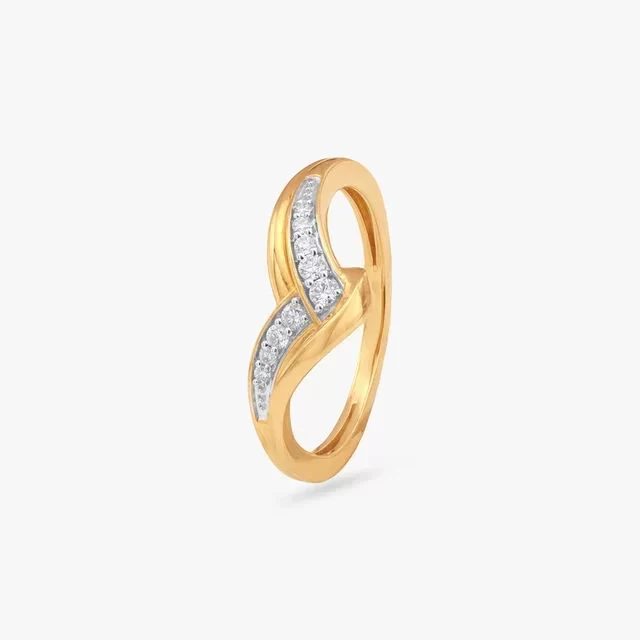
Man made diamonds suit everyday wear in elegant pieces like the Overlapping Vanki Diamond Ring.
Care, Maintenance & What to Know Before Buying
Essential care tips ensure different types of diamonds maintain brilliance:
- Clean natural diamonds gently with mild soap, warm water, and soft toothbrush.
- Store each piece separately in soft pouches to prevent scratches between types of diamonds.
- Avoid harsh chemicals and ultrasonic cleaners on treated diamonds to preserve enhancements.
- Verify GIA/IGI certifications before buying any real diamond.
- Professional inspections annually check settings for natural diamonds security.
- Understand four Cs impact on long-term value before purchase decisions.
Tanishq Tips
- Check GIA or IGI reports to confirm real diamond authenticity.
- Schedule professional cleaning to preserve four Cs performance over time.
Conclusion
Tanishq brings you collections that celebrate the multifaceted allure of different types of diamonds. Whether drawn to their ancient origins or breathtaking beauty, discover luxury in these timeless gems.
Frequently Asked Questions
Four main consumer categories exist, plus four technical classifications by impurity types.
Treated diamonds offer affordability but typically show lower resale value than untreated natural diamonds.
Type IIa natural diamonds with excellent cut from the four Cs deliver maximum brilliance.