 GET THE APP



A diamond is never just a stone. It marks milestones. It celebrates love. It becomes part of your story. Yet behind every brilliant sparkle lies a careful evaluation. Letters, numbers, and technical terms determine its worth. Understanding diamond grading allows you to look beyond the shine and recognise true quality.
When you know how a diamond is assessed, you choose with clarity, confidence, and intention. Let’s get into the details of what diamond grading is, the four Cs, reports and certifications, the importance, and common myths.
What is Diamond Grading?
Before we get into the glittery details, let’s take a moment to understand what is diamond grading? Simply put, diamond grading is the process of evaluating a diamond based on its quality. Think of it as a report card for your shiny new gem. Diamond grading takes into account the diamond grading scale, which measures diamond quality grades like the diamond’s brilliance, size and how “flawless” it is. The higher the grade, the more spectacular the diamond – and trust us, you’ll want to understand the lingo!
The 4 C’s Explained
Let’s break down the 4 Cs – the four critical factors that make up your diamond’s grade. These elements are the secret sauce behind every sparkly stone, and knowing what they mean will help you choose wisely (and with style, of course).
Cut
Cut is not the same as shape. Cut refers to how well the diamond has been shaped and faceted to reflect light. The better the cut, the more sparkle you get. Imagine you’re wearing a pair of natural diamond earring that catch the light just so, creating that stunning twinkle. That’s the magic of a well-cut diamond! A diamond can be a perfect shape, but if the cut isn’t up to the mark, it won’t shine as it should. A diamond with an excellent cut is the ultimate showstopper.
Color
The colour grade of a diamond refers to the presence (or absence) of colour in the stone. The less colour, the higher the grade. The diamond grading color chart ranges from D (colourless) to Z (light yellow or brown). Colourless diamonds are the most coveted. When choosing a diamond, remember that minimal colour can make all the difference in a natural diamond necklace or earrings.
Clarity
Clarity is all about the “imperfections” in a diamond. These imperfections – called inclusions – can affect how a diamond reflects light. Different grades of diamonds have varying inclusion levels. Fewer inclusions mean rarer, more expensive stones. Like flawless natural diamond bracelets, perfect clarity ensures stunning beauty without distracting blemishes.
Carat Weight
Carat weight is all about size. The larger the diamond, the higher the carat weight, and usually, the higher the price tag. However, carat weight doesn’t necessarily correlate with overall beauty. A smaller diamond with a perfect cut can dazzle more than a larger, poorly cut one. Balance all 4 C’s for the best diamond quality grades.
C |
What It Measures |
Why It Matters |
|---|---|---|
|
Cut |
How well the diamond is proportioned and faceted |
Determines sparkle and light performance |
|
Colour |
Presence of colour in the diamond |
Less colour is generally rarer and more valuable |
|
Clarity |
Internal inclusions and surface blemishes |
Affects purity and overall appearance |
|
Carat Weight |
The diamond’s weight and size |
Influences visual presence and rarity |
How Diamond Grading Translates to Value & Pricing
Diamond grading is the foundation of a diamond’s value and pricing. The better the grade, the more expensive the diamond. But here’s the thing: knowing your diamond grading scale means you don’t have to splurge unnecessarily. You can find a diamond that fits your budget without compromising on beauty or quality.
- Diamonds with an Excellent cut command a premium due to superior light performance and sparkle.
- Higher clarity grades indicate rarity, as they have fewer internal characteristics.
- Colour impacts value; stones closer to colourless are generally more valuable due to their rarity.
- Carat weight affects pricing, especially for larger, harder-to-source diamonds.
However, value is not determined by a single factor. The relationship between all four characteristics matters. A well-balanced diamond with strong grades across cut, colour, clarity and carat weight may offer better visual appeal than a stone that excels in only one area. Whether you’re eyeing a pair of traditional diamond earrings or a statement single diamond necklace, the goal is to find a piece that speaks to your taste, without emptying your bank account.
Other Considerations Beyond the 4 C’s
Polish, symmetry, and fluorescence affect appearance. Seller reputation ensures authentic diamond grading. Shape influences light reflection alongside diamond quality grades.
Other Considerations Beyond the 4 C’s
Polish, symmetry, and fluorescence affect appearance. Seller reputation ensures authentic diamond grading. Shape influences light reflection alongside diamond quality grades.
While the 4 Cs form the foundation of diamond grading, the following are some additional characteristics that can influence a diamond’s appearance.
Polish
Polish refers to the smoothness of a diamond’s surface after cutting. A well-polished diamond allows light to move freely across its facets, enhancing brilliance.
Symmetry
Symmetry evaluates how precisely the facets align with one another. Excellent symmetry supports balanced light reflection and contributes to overall beauty.
Fluorescence
Some diamonds emit a soft glow when exposed to ultraviolet light. Depending on its strength, fluorescence may subtly affect appearance in certain lighting conditions.
Certification
A reliable diamond grading certificate provides independent verification of a diamond’s characteristics. It offers transparency and helps buyers compare diamonds with confidence.
Craftsmanship
The way a diamond is set and presented within a jewellery design also influences how it appears when worn. A thoughtfully crafted setting can enhance light performance and highlight the stone’s natural beauty.
The Basics of Clarity Viewer
We talked about clarity grades, but what about actually seeing inclusions rather than simply reading about them? That’s where a clarity viewer helps.
So, a clarity viewer magnifies a diamond and reveals the internal characteristics that determine its clarity grade. This allows buyers to understand how diamonds are graded and appreciate the differences between various diamond quality grades.
By viewing inclusions firsthand, customers gain a clearer perspective on whether a particular clarity grade aligns with their expectations and preferences.
Understanding Diamond Grading Reports and Certifications
A diamond grading report is essentially the blueprint of your diamond. It lists every characteristic, from cut to carat weight to colour and everything in between.
Certification means the diamond has been assessed by a reputable gemological lab like the GIA (Gemological Institute of America) or AGS (American Gem Society), ensuring that its grade is legitimate.
So, when you see that certification, you can rest easy knowing your diamond’s quality has been assessed by experts.
Tanishq Tip
- Compare diamonds under different lighting conditions
- Prioritise cut before carat size
- Always review the grading report
The Role of Diamond Shape in Grading
Now, let’s get a little more creative. While diamond shape doesn’t factor directly into the diamond grading system, it certainly impacts how your diamond looks and how much light it reflects. Round diamonds are the most popular and typically cost more, but shapes like princess, emerald and oval can be equally stunning – and sometimes, more affordable.
The shape gives your diamond personality! If you’re all about making a statement, opt for a more unique shape, like an emerald-cut stone set in a chic single diamond necklace.
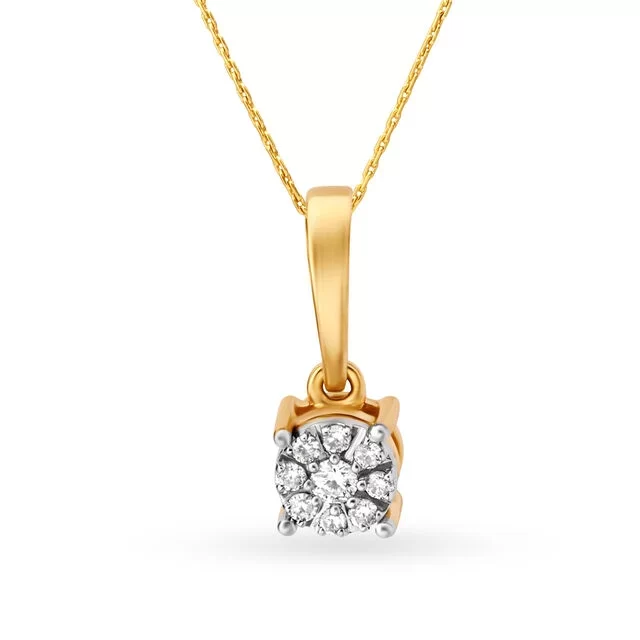
Different diamond shapes interact with light in unique ways, influencing both appearance and perceived size. While shape itself is not part of the diamond grading scale, it can significantly affect how a diamond looks once set in jewellery. Designs such as the Solitaire Look Diamond Pendant in Yellow and White Gold showcase how a carefully selected diamond can remain the focal point of a piece while highlighting its brilliance and visual presence.
Common Diamond Grading Myths and Misconceptions
Let’s clear up a few myths about diamond grading:
- Bigger is always better: Not necessarily. As mentioned, size isn’t everything. A smaller diamond with better grades might actually be more brilliant and worth your investment.
- You need the highest grade: Not at all. A diamond graded “Excellent” in cut, “G” in colour, and “VS1” in clarity will still be incredibly beautiful and much more affordable than an “ideal” grade across the board.
- You can’t buy diamonds online: False! With proper diamond grading certification, online shopping for diamonds has never been more secure or convenient.
How Diamond Grading Affects Your Investment?
A diamond is an investment, both emotionally and financially. The diamond grading system helps ensure that you’re investing in something that holds its value over time. Diamonds with higher grades (think exceptional cut, excellent clarity, and minimal colour) typically have greater resale value.
So, whether you’re buying traditional diamond earrings to wear every day or a single diamond necklace for a special occasion, rest assured that with the right grading, your diamond will continue to shine – both on your finger and as part of your collection.
Practical Tips for Buying Diamonds
Diamond grading provides valuable guidance, but choosing the right diamond involves more than simply selecting the highest grades available. Diamond grading is a useful guide, but the right choice depends on more than just the highest grades. Focus on overall beauty, balance, and how the diamond fits your personal style and intended jewellery design.
- Prioritise cut quality
- Check the grading report
- Compare diamonds in person
- Consider everyday wear
- Balance all four Cs
- Buy what you love
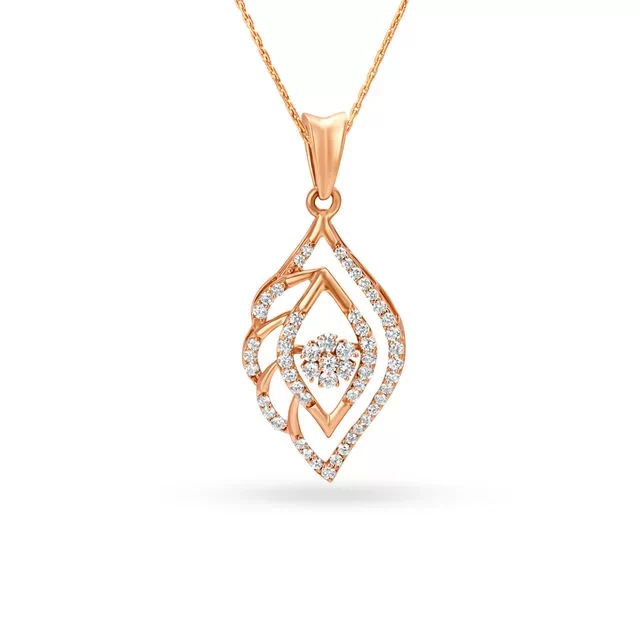
While diamond grades provide valuable insight into quality, they are only one part of the story. Craftsmanship and design influence how a diamond is ultimately experienced when worn. Our Modern Leaf Inspired Diamond Pendant is a beautiful example of how thoughtful design can complement a diamond’s natural beauty, creating a piece that feels distinctive and elegant.
Diamond Expertise Centre (DXC): Understanding Diamond Grades with Confidence
Reading a diamond grading report is one thing. Seeing those grades come to life is another.
At a Tanishq Diamond Expertise Centre (DXC), customers can explore the finer details behind diamond grading through expert-led demonstrations and advanced viewing technology. The experience helps buyers understand how diamonds are graded, compare different grades side by side, and observe how variations in cut, colour and clarity influence a diamond’s appearance. Here’s all about DXC that a customer can benefit from.
At the DXC, customers can:
- Compare diamonds across the diamond grading scale
- Understand the differences between various diamond quality grades
- View inclusions and clarity characteristics through specialised magnification tools
- Explore how the diamond grading colour chart translates into real-world appearance
- Understand the details included within a diamond grading report and diamond grading certificate
- Learn how cut quality affects brilliance, fire and overall light performance
For those wondering what is Diamond Expertise Centre or looking to learn all about Tanishq diamond DXC, the experience offers a transparent and educational way to explore diamonds before making a purchase decision.
Conclusion
Diamond grading turns a beautiful stone into a clear purchase decision. It explains quality, supports pricing, and lets you compare like-for-like. Use the 4Cs, read the diamond grading report carefully, and don’t ignore the details beyond the basics. When the diamond grades and the look both feel right, you’ll buy with confidence and wear it the same way.
Frequently Asked Questions
Cut is often considered the most influential, as it directly affects brilliance and sparkle.
It is an official document detailing a diamond’s quality based on established grading standards.
Not necessarily. Some differences are subtle and difficult to notice without magnification.
VS1 and VS2 grades are widely preferred for offering excellent visual clarity and value.
D is the highest grade on the diamond grading colour chart, though G or H often appear equally colourless once set.
Yes. Higher and well-balanced grades generally sustain stronger demand.
Cut has the greatest impact, while clarity and colour subtly influence light performance.