 GET THE APP


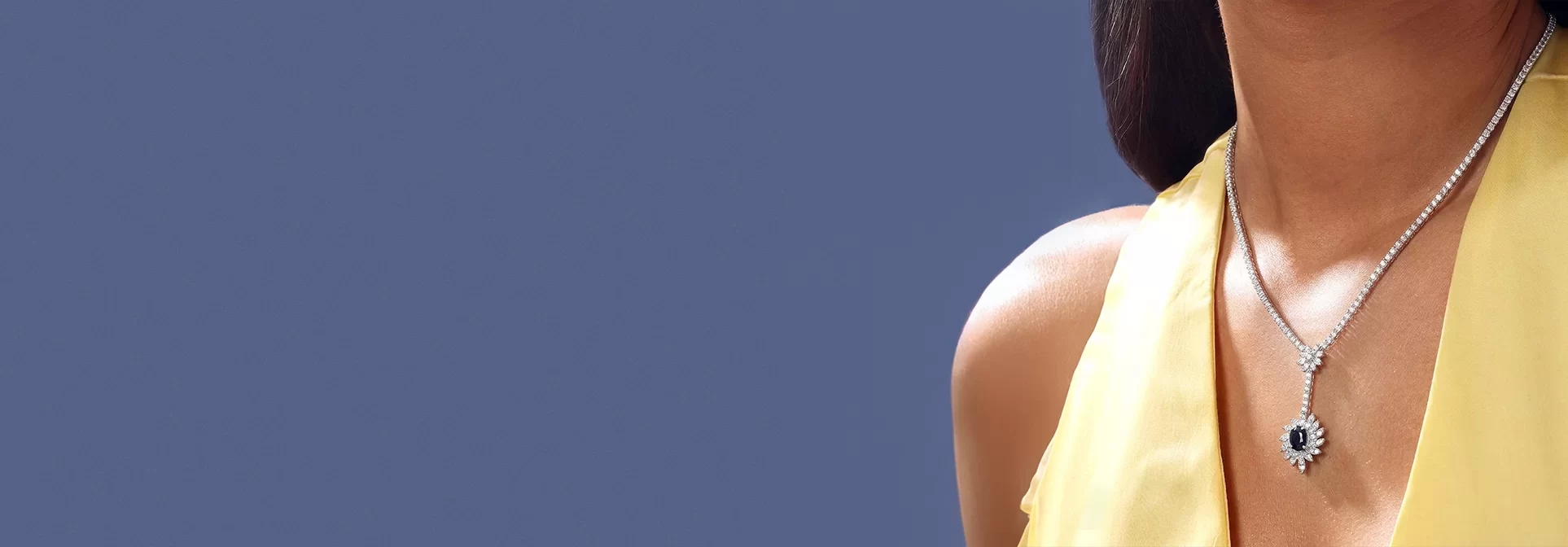
Have you noticed how sapphires never really go out of style? Somehow, they keep finding their way into every generation’s jewellery box: your grandmother’s cocktail ring, your mother’s carefully saved earrings, and now, delicate sapphire pieces you can wear with a linen shirt on a Tuesday afternoon.
There’s something about that deep blue colour that feels magnetic. Rich, slightly mysterious and endlessly wearable, sapphires have a way of making even simple jewellery enigmatic.
Today, blue sapphire jewellery is being styled far more freely than before: layered with everyday gold chains, paired with handwoven sarees or worn with sharply tailored separates. And perhaps that’s what makes sapphires so interesting now. They no longer feel reserved only for occasions.
If you’re considering blue sapphire jewellery, understanding the stone, its quality and the way it is set can help you choose a piece you’ll enjoy wearing for years.
What Is a Blue Sapphire and Why Is It So Prized
Blue sapphires belong to the corundum family of gemstones and are loved for their colour, strength and lasting appeal. They are among the hardest natural gemstones after diamonds, which is why they work beautifully in jewellery you may want to wear often.
But hardness is only one part of the story. What people usually fall for is the colour. Some sapphires are bright and vivid, while others have a deeper, inkier blue that feels almost like a night sky.
Across cultures, sapphires have been associated with wisdom, clarity and protection. In India too, they have long held meaning, both aesthetically and astrologically. But even if you’re choosing one purely for style, there’s no denying the aura a sapphire brings to a design.
Tanishq Tip
When you’re looking at sapphires, see how the colour appears in natural light. A good sapphire should feel alive on the hand or neckline, not just beautiful inside a jewellery case.
Where Do Blue Sapphires Come From
Blue sapphires are found in different parts of the world, and each origin can bring its own character to the stone.
Sri Lankan sapphires, often called Ceylon sapphires, are known for their brighter royal-blue tones. Kashmir sapphires are rarer and admired for their velvety depth. Madagascar and Myanmar are also known for producing beautiful sapphires.
That said, origin is not everything. Two sapphires from the same region can look completely different. Colour, clarity, cut and the way the stone sits within the jewellery all matter just as much.
Tanishq Tip
Don’t choose a sapphire only by where it comes from. Choose it by how it looks on you, how it feels with your wardrobe and how confidently its details are shared with you.
The 4Cs of Blue Sapphires- What to Evaluate Before Buying
Just like diamonds, sapphires are evaluated through colour, clarity, cut and carat weight. Understanding these helps you choose blue sapphire jewellery with greater assurance.
Colour
Colour is usually the first thing you notice. The most desirable sapphires tend to have a rich blue tone with brightness and depth. A stone that is too dark may lose some of its life, while one that is too pale may not have the same presence. The sweet spot is a blue that feels clear, deep and pleasing to your eye.
Clarity
Natural sapphires often have tiny inclusions formed over time. These are not always flaws. In many cases, they are part of the stone’s natural identity. What matters is whether the inclusions affect the beauty, strength or overall appearance of the gemstone.
Cut
The cut affects how the sapphire interacts with light. A well-cut gemstone will feel balanced and lively rather than flat or dull. It also influences how evenly the colour appears across the stone, which can make a real difference once the jewellery is worn.
Carat
Carat refers to the weight of the gemstone. Larger sapphires are rarer, but size alone does not decide beauty. Sometimes, a smaller sapphire with a richer colour can feel far more striking than a larger stone that lacks depth.
Tanishq Tip
If you’re choosing between size and colour, let colour lead. A beautiful blue is usually what you’ll notice, remember and return to.
Heated vs Unheated Blue Sapphires
If you’ve been reading about sapphires, you may have come across the terms heated and unheated.
Heat treatment is a widely accepted process used to enhance a sapphire’s colour and clarity. Many sapphires used in fine jewellery today have undergone some form of heating. Unheated sapphires are rarer because they naturally show desirable colour and clarity without treatment.
What matters most is knowing what you’re buying. At Tanishq, key information such as gemstone type, stone details, jewellery specifications, metal purity where applicable, diamond details where present, price breakup and certification-related information is shared clearly, so you can understand the piece before you choose it.
Tanishq Tip
Rather than getting caught up in one label, look at the complete picture: the sapphire’s colour, the craftsmanship, the setting and the clarity of information shared with you.
Blue Sapphire Jewellery Styles and Settings
One of the nicest things about sapphires is how easily they change mood. The same stone can look vintage, modern, festive or everyday depending on the setting.
Blue Sapphire Rings
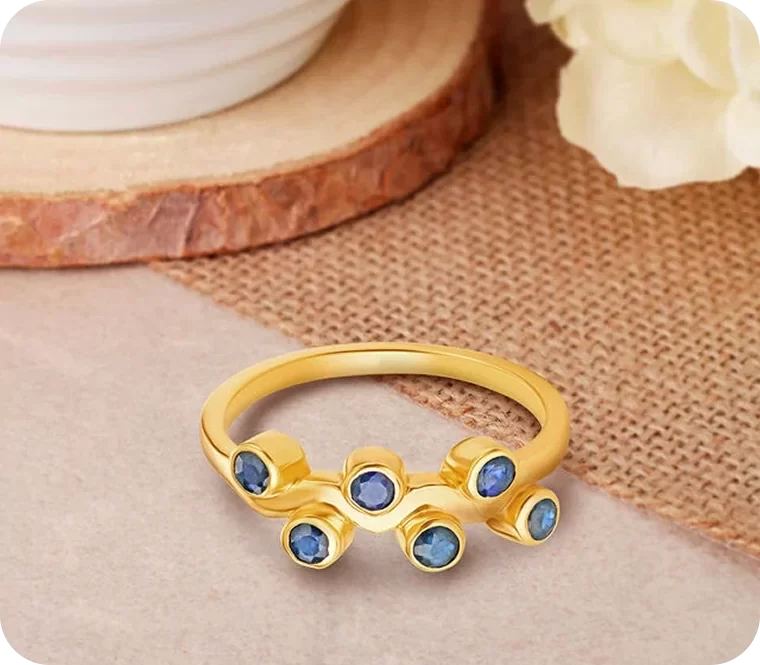
There’s something very easy about blue sapphire rings. They bring depth and richness into your jewellery collection in a way that still feels wearable across different occasions.
Some designs lean into detailing, like the Dainty Sapphire Gold Finger Ring, which has a sculpted gold finish and a graceful design language. If you prefer a more gemstone-led look, the Celestial Dance 14KT Diamond and Blue Sapphire Ring places the sapphire at the centre with diamond accents adding a refined sparkle. A thoughtfully chosen blue sapphire ring for women can work just as naturally with your favourite jeans and white shirt as it does with festive dressing.
Tanishq Tip
For regular wear, choose a ring that feels comfortable through the day and has a setting that protects the gemstone well.
Blue Sapphire Pendants & Necklaces
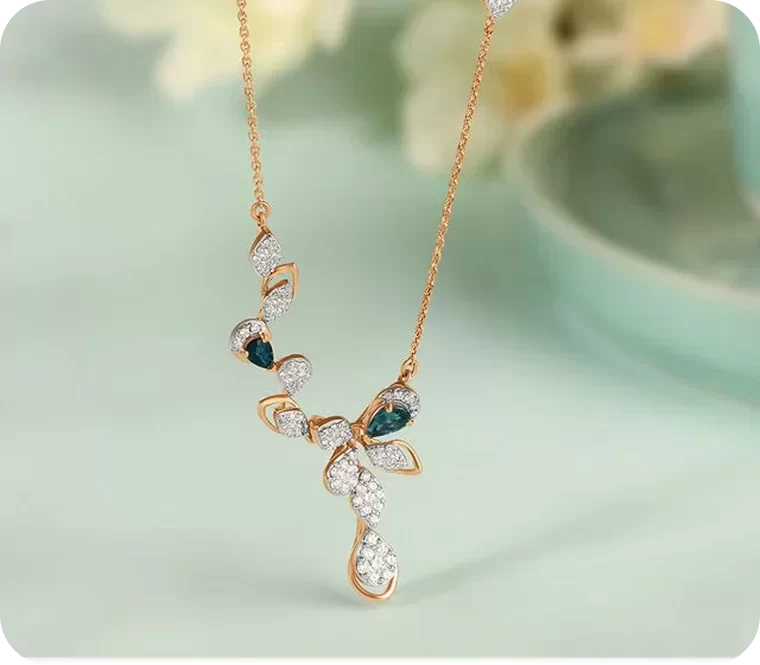
A sapphire pendant is a lovely way to bring colour into your look without doing too much. A delicate blue sapphire necklace can sit beautifully with gold chains, open necklines, silk kurtas or even a simple black dress.
For something subtle, the Orbit Swirl Gold Pendant works well as an everyday piece with a hint of colour. If you’re looking for something dressier, the Ethereal Sapphire and Diamond Necklace brings sapphires and diamonds together in a more occasion-ready way. The Glow Drop Sapphire Necklace also feels fresh for layered styling.
Tanishq Tip
Sapphires look especially beautiful with ivory, charcoal, wine, emerald green and deep navy. Let the blue do the talking, and keep the rest of the styling clean.
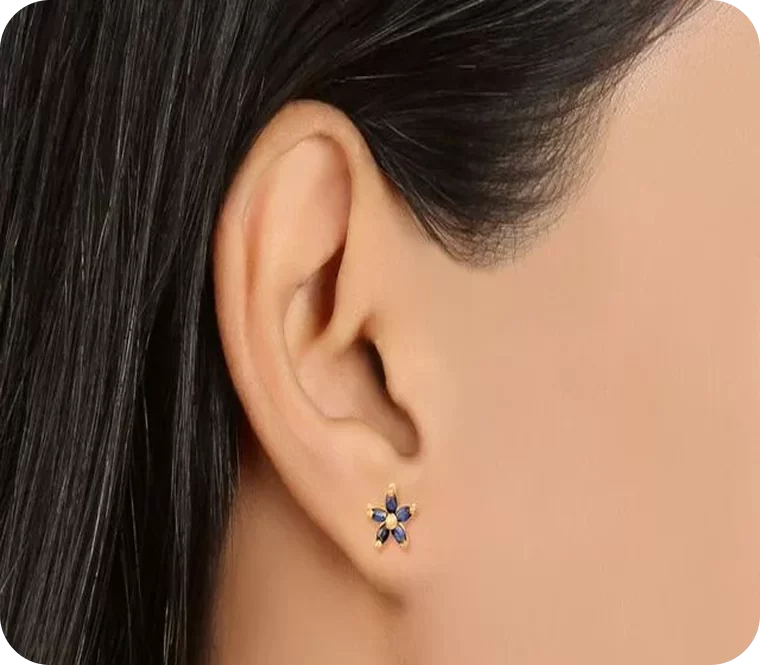
Blue Sapphire Earrings
If you’re new to coloured gemstones, earrings are a lovely place to begin. Blue sapphire ear studs add colour close to the face, which makes them feel instantly polished without requiring much styling.
The Stunning Floral Sapphire Stud Earrings are easy to imagine with workwear, cotton sarees or everyday kurtas. For a little more sparkle, the Elegant Arc Diamond Hoop Earrings bring together diamonds and sapphires in a lighter, contemporary form. If the occasion calls for something more dressed up, the Regal Orbit Diamond Drop Earrings make a beautiful choice for weddings, festive evenings and formal celebrations.
Well-chosen blue sapphire earrings can lift a look without making it feel overly styled.
Tanishq Tip
For everyday wear, studs are the easiest to style. For celebrations, choose drops or diamond-accented designs that bring movement near the face.
How to Care for Blue Sapphire Jewellery
Sapphires are durable, which makes them practical for regular wear. Still, good care helps them keep their brilliance.
- Store your sapphire pieces separately so they do not rub against harder gemstones or metal edges.
- Clean them gently with a soft cloth and mild soap solution.
- Avoid harsh chemicals, especially perfumes, cleaners and sprays.
- If you wear sapphire rings often, remove them before heavy activity.
Tanishq also offers lifetime maintenance services such as cleaning and polishing, which helps keep your jewellery looking cared for over time.
Conclusion
By now, you probably know that choosing sapphire jewellery is not really about following a rulebook. It’s about understanding what draws you to a particular stone: the depth of the blue, the way it catches light, the setting it sits in and how naturally it fits into your life and personal style.
Once you know what to look for, from colour and cut to craftsmanship and transparency, buying blue sapphire jewellery becomes a far more enjoyable experience and a far more confident one too.
Explore Tanishq’s gemstone jewellery collections to discover sapphire designs crafted for everything from everyday wear to milestone moments.
Frequently Asked Questions
Natural sapphires usually have small variations or inclusions that make each stone unique. Synthetic alternatives may appear more uniform. The safest way to choose is through a trusted jeweller that clearly shares gemstone details, specifications and certification-related information.
Natural blue sapphires generally retain their colour well over time. Regular care, gentle cleaning and avoiding harsh chemicals will help preserve the overall look of the jewellery.
A Ceylon sapphire comes from Sri Lanka and is admired for its bright, royal-blue colour. Many people like Ceylon sapphires because they often appear luminous rather than overly dark.