 GET THE APP


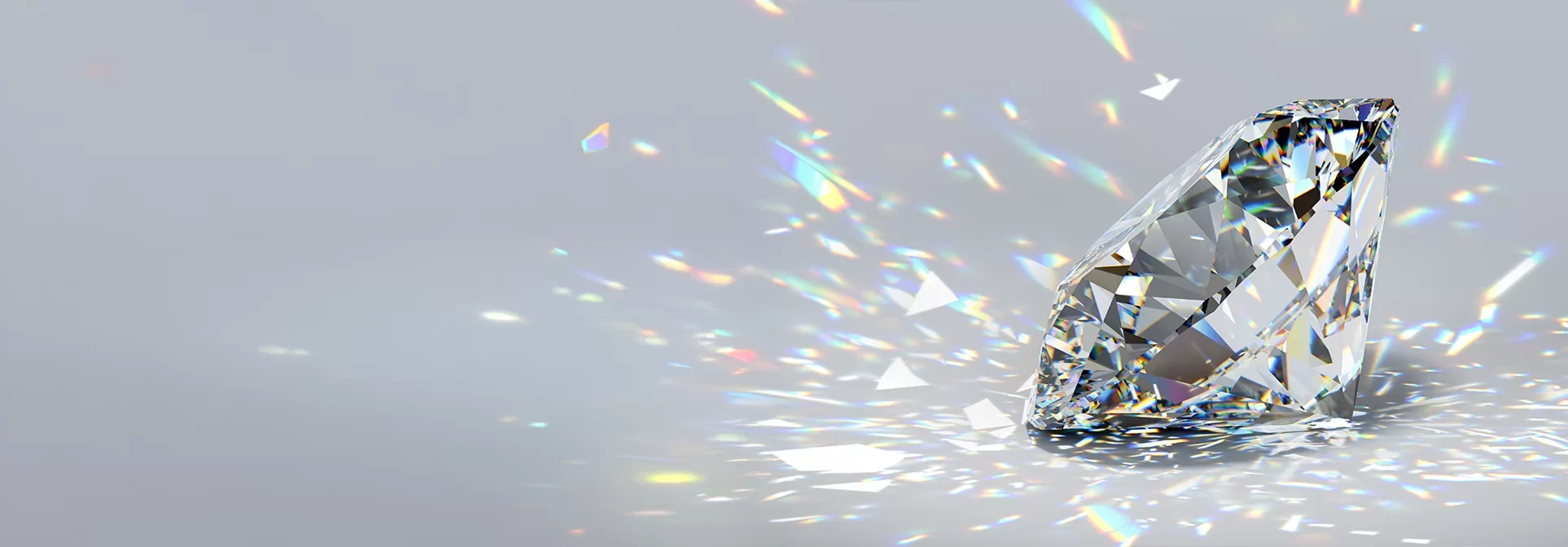
If you’ve ever compared two diamonds with the same certificate and felt confused, you’re not imagining things.
On paper, they match. Same diamond grades, same colour, clarity, carat. Same box ticked on the diamond grading scale. But in real life, one sparkles more. One looks brighter. One simply feels better.
This is the moment most buyers realise something important: diamond grading is a framework, not a guarantee.
Let’s talk about why.
What Does a Diamond “Grade” Actually Mean?
At its simplest, what is diamond grading?
It’s a standardised way to evaluate diamonds across four parameters: cut, colour, clarity and carat. Together, these form the diamond grading system used globally.
Grading creates consistency. It allows diamonds to be compared fairly. But it does not capture everything the eye sees. Think of grades like exam scores. Two people may both score 85, but their strengths, style and presence can be entirely different.
This is why diamond grading certification is essential, but never the final word.
Cut Quality: The Biggest Visual Difference Maker
If there is one reason two diamonds with the same grade look different, it’s cut.
Cut determines how light enters the diamond, bounces inside it, and returns to your eye. A well-cut diamond appears brighter, sharper and more alive. Two diamonds can both be graded “Very Good” or “Excellent” for cut, yet have different internal proportions that affect sparkle. The grading range allows variation, and that variation shows up visually.
This is why at Tanishq, diamonds are selected only from Very Good and Excellent cut grades, and further filtered for light performance beyond the certificate.
Proportions and Measurements Matter More Than You Think
Diamonds are three-dimensional objects. Depth, table size, crown height, and pavilion angles all affect how light behaves.
Two diamonds with the same diamond grading scale score can have very different proportions. One may leak light through the bottom. Another may reflect it perfectly.
On paper, they’re equals. In real life, one looks dull next to the other.
This is why professional jewellers don’t just read certificates. They read the stone.
Clarity: Same Grade, Different Visibility
Clarity grades measure inclusions under 10x magnification. But not all inclusions are created equal.
Two diamonds with the same clarity grade can differ dramatically depending on:
- Size of inclusions
- Location (centre vs. edge)
- Type (white feather vs. dark crystal)
- Whether inclusions reflect internally
A tiny inclusion hidden near the girdle is far less noticeable than one sitting under the table. Yet both may fall into the same clarity band.
At Tanishq, diamonds with inclusions that disrupt light reflection, such as reflective or “milky” characteristics, are filtered out even if their clarity grade allows them.
Colour Differences Within the Same Grade
Diamond colour grading works in bands, not single points. That means a diamond at the top of a colour grade can look visibly whiter than one at the bottom of the same grade.
Lighting, metal setting, and surrounding stones also influence perception. This is why diamond color and clarity should never be evaluated in isolation.
A well-cut near-colourless diamond can look brighter than a poorly cut higher-colour stone. Context matters.
Shape and Faceting Style
Round diamonds reflect light differently from princess, oval, or emerald cuts. Even within the same grade, shape changes everything.
Brilliant cuts maximise sparkle. Step cuts emphasise clarity and transparency. Fancy shapes are not graded for cut in the same way, which introduces even more variation.
This is why two diamonds with identical grades but different shapes can look worlds apart, especially when set into unique diamond ring designs.
Carat Weight vs. Visual Size
Carat is weight, not face-up size. Two diamonds with the same carat weight can look different depending on how that weight is distributed.
A deeper diamond may hide weight in its base and look smaller from the top. A well-proportioned diamond spreads its weight more evenly and appears larger.
This directly affects the perceived cost of pure diamond, because what you’re paying for is not just weight, but visible presence.
How to Compare Diamonds Beyond the Grade
So how should you actually compare diamonds?
- Look at them in real lighting, not just spotlights.
- Compare brilliance side by side.
- Ask about cut proportions, not just cut grade.
- Observe inclusions with the naked eye, not a loupe.
- Trust how the diamond behaves, not just what the certificate says.
This is where experienced sourcing and in-house grading make a difference. At Tanishq, diamonds are evaluated loose, weighed precisely, and matched carefully before setting, ensuring what you see is what you pay for.
Common Buying Mistakes to Avoid
- Assuming same grade means same beauty
- Prioritising carat over cut
- Ignoring how inclusions affect sparkle
- Comparing diamonds only on paper
- Not asking about grading consistency across multiple stones
Diamonds are emotional purchases, but clarity of information keeps that emotion joyful, not stressful.
Conclusion
Two diamonds with the same grade can look completely different because grading measures ranges, not individuality.
A diamond’s beauty lives in how it handles light, how its inclusions behave, how its proportions work together. The diamond grading system gives you structure. Expertise gives you insight.
When you understand this, you stop chasing numbers and start choosing diamonds that feel right.
That’s when real diamond jewelry stops being intimidating and starts becoming personal.

Frequently Asked Questions
Because diamond grades describe ranges, not exact performance. Factors like cut precision, proportions, and how inclusions interact with light can make one diamond visually superior. At Tanishq, diamonds are further filtered beyond the basic diamond grading scale to ensure consistent beauty and value.
Tanishq diamonds go through 35+ quality checks beyond standard grading, focusing on light performance, inclusion behaviour, and overall visual balance. Stones that technically pass grading but fail on appearance are not selected.
Yes. Tanishq follows internationally accepted diamond grading certification standards aligned with GIA norms. In addition, all diamonds in a single piece belong to the same colour and clarity band, ensuring you get exactly what is stated. Every Tanishq diamond jewellery piece comes with a Certificate of Authenticity, which clearly details the diamond’s carat weight, colour, clarity, cut, and confirms that it is a natural diamond.
Carat measures weight, not visible size. Differences in depth and proportions affect how large a diamond appears face-up. Tanishq diamonds are weighed in their loose form with mm-based precision, so you pay only for actual diamond content, not hidden weight.
No. Inclusions are natural characteristics and make each diamond unique. However, inclusions that disrupt sparkle or create a hazy look reduce beauty. Tanishq does not use diamonds with milky appearance, reflective inclusions, or durability-impacting flaws, even if the grade technically allows them.
No. Unlike common industry practices, Tanishq does not mix diamonds of varying colour or clarity grades within a single design. This ensures visual harmony and fair pricing.
Very precise. Diamonds are weighed individually before setting and charged to three decimal places. Tanishq follows net weight billing, so you’re never charged gold prices for diamond weight or fillers.