 GET THE APP


At first glance, the difference between natural diamond cost and lab-grown diamond cost can feel surprising. After all, both sparkle and both are called diamonds. But price, in the world of fine jewellery, is rarely about appearance alone. It reflects origin, rarity, journey and the value a diamond carries long after the moment of purchase.
Understanding this difference helps consumers move beyond surface comparisons and make choices rooted in clarity rather than confusion.
Understanding the Price Difference at a Glance
When comparing lab diamonds’ price with natural diamonds, the contrast largely comes down to how and how often each can be created. Lab-grown diamonds are manmade, produced using repeatable technology, which directly influences their market pricing. Natural diamonds, by contrast, are finite creations of nature, a factor that shapes their enduring worth.
Natural diamonds are formed over billions of years deep within the Earth and less than 1% become gem quality, which structurally limits supply.
Lab-grown diamonds can be produced in controlled facilities, so the lab diamonds’ price is driven by technology, energy and competition, leading to falling prices and frequent discounts.
Rarity: The Core Reason Natural Diamonds Cost More
- Formed by Nature Over Billions of Years
Natural diamonds are formed deep within the Earth, under intense heat and pressure, over billions of years. Their creation cannot be accelerated, replicated or scaled, making each one a geological marvel rather than a manufactured output.
Natural diamonds are created 150–200 km under Earth’s surface under immense heat and pressure over 1–3 billion years, making them older than dinosaurs. This timescale cannot be sped up or replicated; every mine closure tightens supply, reinforcing why natural diamond cost structurally stays higher.
- Finite Supply and Natural Scarcity
Less than 1% of all mined diamonds are considered gem-quality. This natural scarcity ensures that supply remains limited, a defining factor behind why natural diamonds command higher value over time.
Lab-grown diamonds can be produced in weeks via HPHT (High Pressure, High Temperature) or CVD (Chemical Vapour Deposition); as more players enter, lab grown diamonds become common because supply is not naturally capped.
The Journey of a Natural Diamond
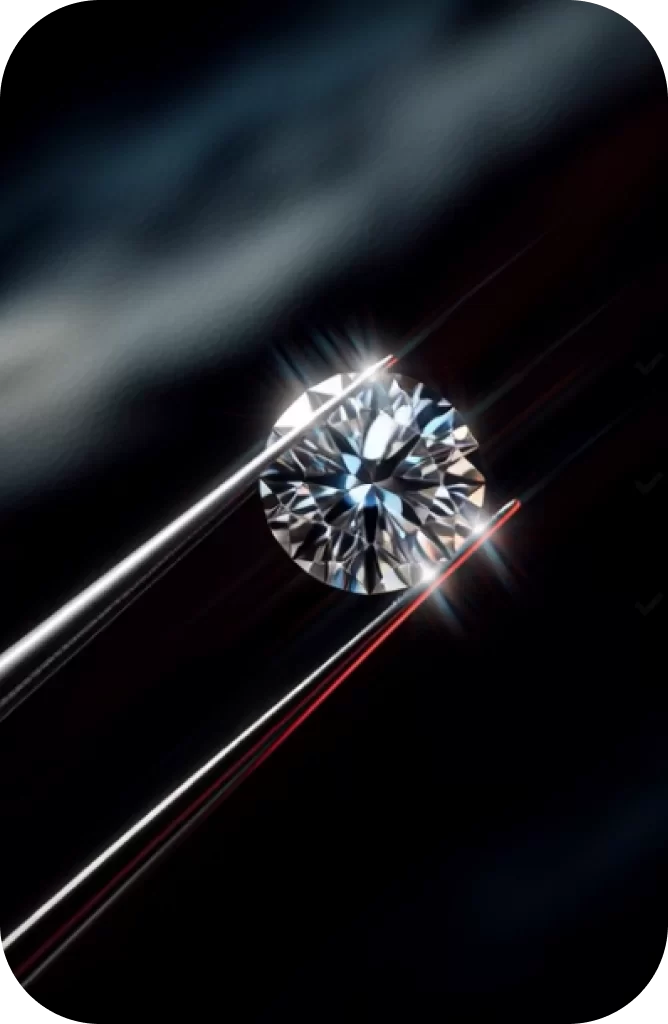
From kimberlite formation deep within the Earth to their journey through ethical mining, expert cutting, grading and final craftsmanship, every natural diamond carries a long and carefully monitored path. This journey contributes not only to cost, but also to confidence, especially when supported by transparent sourcing and global certification.
At Tanishq’s Diamond Expertise Centres (DXCs), customers can literally see parts of this journey decoded. They may discover how the stone is evaluated, authenticated and matched to its certificate, making the higher price feel transparent and justified.
Timeless Preciousness and Emotional Significance
Diamonds are rarely bought for the present moment alone. Natural diamonds, formed long before human history, carry a sense of permanence that aligns naturally with milestones and celebrations. For over a century, they have symbolised enduring love, milestones and legacy. This emotional continuity is often absent from conversations around lab grown diamonds, where price is the primary driver. Lab-grown, though visually similar, are still perceived as “new-tech” alternatives; culturally they feel more like fast fashion or upgrade-friendly purchases.
Long-Term Value and Enduring Demand
- Stability Rooted in Rarity
Because natural diamonds are limited in supply, their value is less susceptible to sudden market shifts. As production technology evolves, the lab-grown diamond cost continues to be influenced by scalability, whereas natural diamonds remain anchored in rarity.
Because natural diamonds are finite and globally traded, they tend to hold value better than lab-grow diamonds, which face rapid price drops as manufacturing improves and competition intensifies.
This is why lab diamonds vs. real diamonds price often shows a wide gap at purchase and an even wider gap at resale or exchange.
- Role in Investment and Heirloom Jewellery
Natural diamonds are globally recognised, traded and often passed down as heirlooms. Their ability to retain intrinsic worth makes them suitable for upgrades, exchanges and long-term ownership, factors that extend value beyond the initial purchase.
Craftsmanship, Certification and Trust
At Tanishq, diamonds are graded in their loose form by expert gemologists and undergo multiple quality checks before being set into diamond jewellery. With over 20 million diamonds evaluated annually, this level of scrutiny ensures accuracy in caratage, clarity and pricing.
For customers seeking deeper understanding, Tanishq’s Diamond Expertise Centres (DXC) offer a space to learn about the 4Cs, certification and the journey of their diamond, reinforcing trust through knowledge rather than persuasion.
Natural Diamonds and LGDs: A Value Perspective
Below is a simple way to frame value, not just price, between natural and lab-grown diamonds:
Aspect |
Natural Diamonds |
Lab-Grown Diamonds |
|---|---|---|
|
Origin |
Formed naturally over billions of years |
Created in laboratories in weeks |
|
Rarity & Supply |
Finite and rare, mine-dependent, <1% gem quality |
Scalable & repeatable production; new factories increase supply |
|
Price |
Reflects rarity and global demand |
Influenced by production efficiency |
|
Resale / Exchange |
Better exchange/resale potential; brand buyback/exchange helps |
Weak resale; strong price drop on secondary market |
|
Long-Term Value |
Retains intrinsic worth |
Market value tends to decline |
|
Emotional / Cultural Role |
Rare, unique and more valuable due to its creation process |
Typically purchase-driven |
Choosing What Matters Most to You
The decision between natural and lab-grown diamonds is ultimately personal. For some, accessibility and immediate affordability matter most. For others, rarity, legacy and long-term value define the choice. Understanding why natural diamonds cost more allows buyers to choose with confidence, not comparison.
If the priority is the lowest upfront price or a styling and accessorising on a limited budget, then the lab-grown diamond cost can be appealing, especially for trend-driven pieces.
If the goal is to mark a once-in-a-lifetime moment, such as engagement or celebration-worthy milestones, the rarity and perception of natural diamonds justify their higher price.
Tanishq Tip:
Visit a DXC to understand the story and structure of your diamond; when you see what makes it rare, the premium feels far more intuitive.
Conclusion
Natural diamonds cost more than lab-grown not because they simply “can”, but because they are finite creations of nature with a billion-year origin, proven cultural significance and stronger long-term value and trust frameworks. Lab-grown diamonds fill a different role: accessible sparkle and size; while natural diamonds remain the choice for pieces meant to be treasured, remembered and passed on.
Frequently Asked Questions
Natural diamonds take billions of years to form and are found in limited quantities, while lab-grown diamonds are created in controlled environments and can be produced at scale. This difference in rarity directly impacts pricing.
The Lab grown diamond cost is influenced by production technology, energy usage and market availability rather than geological rarity. As manufacturing methods evolve, prices may continue to decline.
Not necessarily. lab grown diamonds may still meet grading standards for cut, colour and clarity, but their lower price reflects ease of production rather than rarity or long-term value.
Yes. Both can be certified by recognised institutions. However, certification also confirms origin, which is important for transparency and informed purchasing.
Many jewellers, including Tanishq, offer exchange or upgrade options for natural diamond jewellery at prevailing rates, an important consideration when thinking about long-term value.
Visiting a Diamond Expertise Centre (DXC) allows customers to understand their diamond’s cut, colour, clarity, carat and certification in detail, helping build confidence beyond the purchase.