 GET THE APP



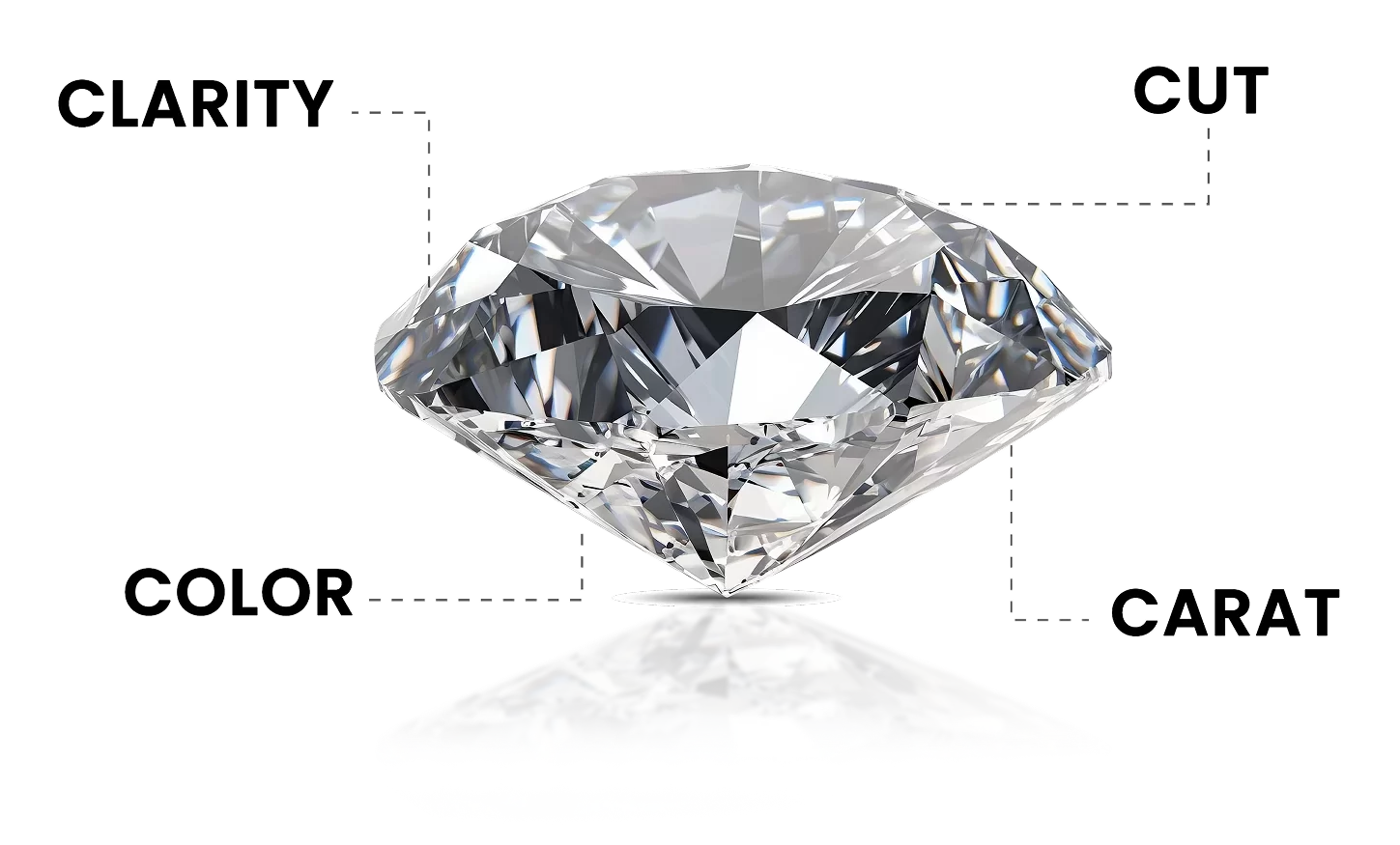
The 4 Cs of diamonds (cut, colour, clarity and carat) are widely accepted as the global framework for evaluating diamonds. But here’s something most buyers discover only after viewing diamonds in person: two stones with identical grading on the diamond 4 Cs scale can still look dramatically different.
While the 4 C chart for diamonds provides essential technical benchmarks, a diamond’s true visual beauty is shaped by subtler factors like craftsmanship, proportions and light behaviour. Two natural diamonds sharing identical 4 Cs of diamonds can feel worlds apart, like two paintings with the same ingredients but different artists. Understanding these nuances helps buyers choose diamonds that feel exceptional, not just look perfect on paper.
Factors Beyond the 4 Diamond Cs Influence Beauty
The diamond 4 C chart is a reliable foundation, but it doesn’t fully capture how a diamond interacts with light or how it appears to the naked eye. Elements like symmetry, polishing precision, facet alignment and inclusion placement all influence sparkle and personality.
True diamond appearance stems from diamond cut quality brilliance, facet pattern precision, inclusion placement, colour nuance and light environment, none fully captured by categorical 4 C chart for diamonds. This is why experienced jewellers encourage buyers to view diamonds physically instead of relying solely on certificates. A diamond’s beauty lies in how it performs under real lighting conditions and complements the wearer’s style.
Cut Quality Within the Same Grade
Cut is often considered the most important among the 4 Cs of diamonds, but even diamonds with identical cut grades can appear different.
Small variations in proportions, symmetry and polish can impact how efficiently a diamond reflects light. One diamond may produce sharper brilliance, while another may show softer sparkle despite having the same technical grading.
Expert craftsmanship also plays a role. Precision cutting enhances fire, brightness and scintillation, giving the diamond its lively visual performance.
Tanishq Tip:
Same cut grade ≠ identical brilliance as expert polish and symmetry can create dramatic differences. Hence, two stones with the same cut grade can have vastly different fire distribution.
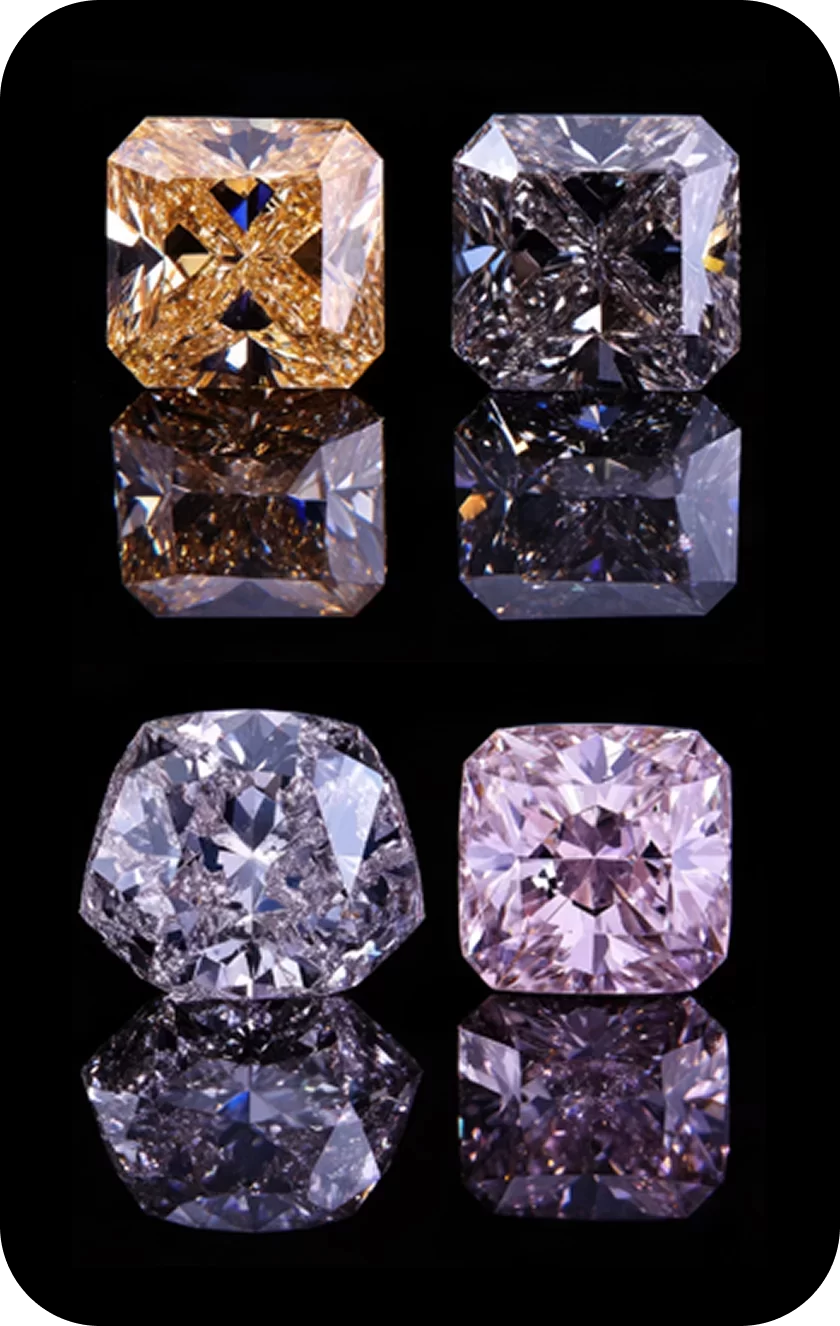
Diamond Shape & Facet Pattern
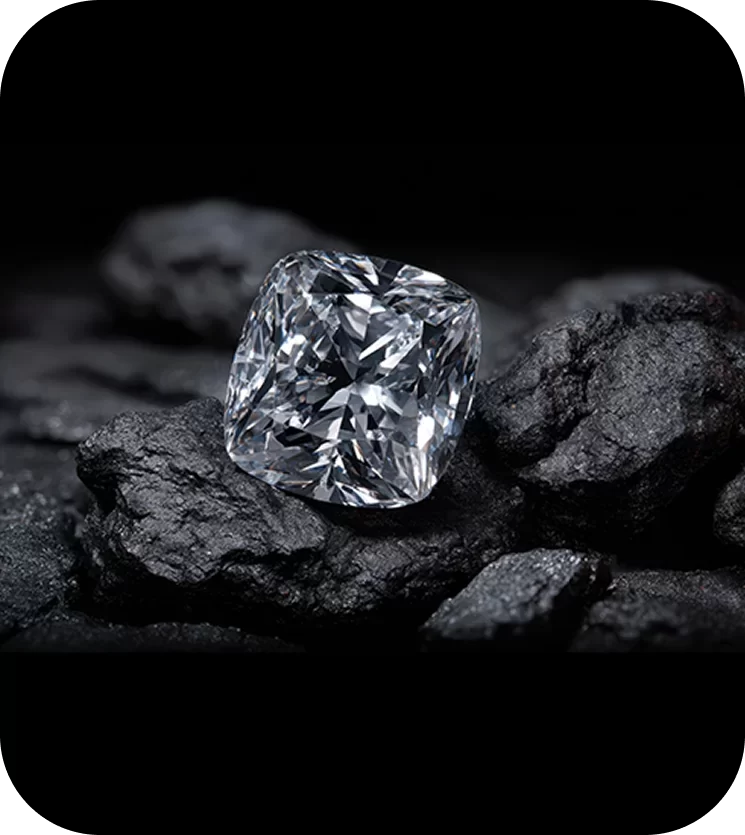
Diamond shape significantly influences how sparkle is perceived. While the 4 C chart for diamonds evaluates quality, shape determines light reflection style.
For instance:
- Round diamonds maximise brilliance through symmetrical facet patterns.
- Oval and marquise shapes may appear larger and softer in glow.
- Emerald and cushion cuts highlight clarity and depth rather than intense sparkle.
Two diamonds with identical grading but different shapes can therefore create entirely different visual impressions in real diamond jewellery.
Facet pattern precision:
Tight facets ≥ 65: maximum fire, even alternation.
Loose facets <50: uneven sparkle, dead spots.
Two round brilliant stones with identical 4Cs but different facet counts will sparkle differently. Dense patterns distribute light more uniformly.
Tanishq Tip:
Round cut diamonds always out-sparkle other shapes due to superior facet density.
Clarity Characteristics & Inclusion Placement
Clarity grading focuses on the number and visibility of inclusions, but their placement matters just as much.
Two diamonds with the same clarity grade may appear different if:
- One has inclusions near the centre.
- Another has inclusions hidden near the edges.
Strategically placed inclusions may remain invisible to the naked eye, allowing a diamond to appear visually flawless even within the same clarity category.
Inclusion Type |
Impact |
|---|---|
|
Feathers in center |
Obvious dark line |
|
Clouds near edges |
Almost eye-clean |
|
Pinpoints edge |
Invisible |
Colour Nuances & Undertones
Colour grading in the diamond 4 Cs categorises diamonds within broad ranges. However, subtle undertones within these grades influence how diamonds appear.
Some diamonds reflect warmer tones, while others may show cooler or neutral brightness. Lighting environment, metal setting and skin tone can further enhance or soften these nuances, creating visible differences between two diamonds graded identically.
Tanishq Tip:
Warm undertones can even enhance white metal contrast, while cool tones highlight brilliance.
Tone |
Perception |
|---|---|
|
Cool blue |
Extra crispness |
|
Warm cranberry |
Subtle pink glow under artificial light |
Colour undertone matters more in higher clarity grades where other factors don’t dominate visual impression.
Fluorescence & Light Environment
Fluorescence refers to how a diamond reacts under ultraviolet light. While often subtle, fluorescence can influence appearance in certain lighting conditions.
In some diamonds, fluorescence can enhance brightness. In others, it may slightly soften clarity. Because fluorescence reacts differently depending on the environment, two diamonds with matching 4 diamond Cs can display varying visual characteristics.
FL-Strong fluorescence + certain lighting creates strong visual drama:
- Nightclubs (under UV light) makes them glow dramatically.
- Daylight makes stones appear milky/oily.
- Artificial light falls in between.
Two stones with identical 4Cs and strong fluorescence appear completely different depending on the setting environment. This explains why some fluorescing stones look dazzling at events while appearing dull outdoors.
Why Seeing the Diamond Matters More Than the Certificate Alone
Certification offers an essential technical foundation. However, diamonds are visual gemstones designed to be experienced, not just measured.
Viewing diamonds personally allows buyers to evaluate sparkle, brilliance and character: qualities that charts cannot fully capture. When selecting real diamond jewellery, personal viewing ensures the diamond resonates emotionally as well as visually.
Certificate = exact measured grades only.
Visuals = hidden nuances that truly matter.
Must-check before buying real diamond jewellery:
- High definition videos (360° inspection)
- Actual photos (young angled shot)
- Light diffuser laziness test
- Face-up mm vs. carat weight
- Inclusion placement verification
Tanishq Tip:
Tanishq’s Diamond Expertise Centre (DXC) is an initiative designed to build consumer trust and transparency in natural diamond purchases. Featuring specialised, in-store tools, the DXC enables customers to verify diamond authenticity, quality and characteristics in real-time, moving beyond mere verbal assurances.
Conclusion
The 4 Cs of diamonds remain the gold standard for evaluating quality, but they tell only part of the story. Every natural diamond is shaped by craftsmanship, light behaviour and subtle internal characteristics that give it a distinct personality.
Choosing a diamond therefore goes beyond grading charts. It involves discovering the stone that captures light, reflects emotion and feels uniquely yours.

Frequently Asked Questions
Cut determines how effectively a diamond reflects and refracts light. Even within the same cut grade, differences in proportions and polishing can influence brilliance, making the cut the most visually impactful among the 4 Cs of diamonds.
Yes. Diamonds with identical grading on the diamond 4 C chart can sparkle differently due to variations in symmetry, facet alignment and finishing precision, which affect how light travels through the stone.
Expert polishing refines facet surfaces and improves light reflection. Even when two diamonds share identical grading on the 4 C chart for diamonds, superior polishing can create sharper brilliance and enhanced sparkle.