 GET THE APP



Every Telugu bride carries centuries of grace within her, woven through nichayathartham blessings, nalangu laughter and the glow of timeless gold. From the sacred thread of the Telugu mangalsutra design to the resplendent layers of Telugu bridal jewellery, each ornament tells a story of devotion, continuity and artistry. Think of this not just as a guide to rituals, but as a love letter to the Telugu bridal look – one that celebrates faith, femininity and the gleam of tradition reborn in gold.
Understanding the Essence of a Telugu Wedding
There’s something deeply cinematic about a Telugu wedding. The rhythm of Sanskrit chants, the rustle of Kanchipuram silk and the unmistakable glow of heritage jewellery passed from one generation to another. Yes, it’s a union, but it’s also an heirloom in motion. The Telugu bride stands at the centre of this visual symphony, draped in the hues of turmeric and tradition, carrying the weight of stories told and retold across kitchen verandas and wedding halls. Every ritual, from nichayathartham to nalangu, becomes a verse in her lifelong poem of love and belonging.

Nichayathartham – The Sacred Engagement Ceremony
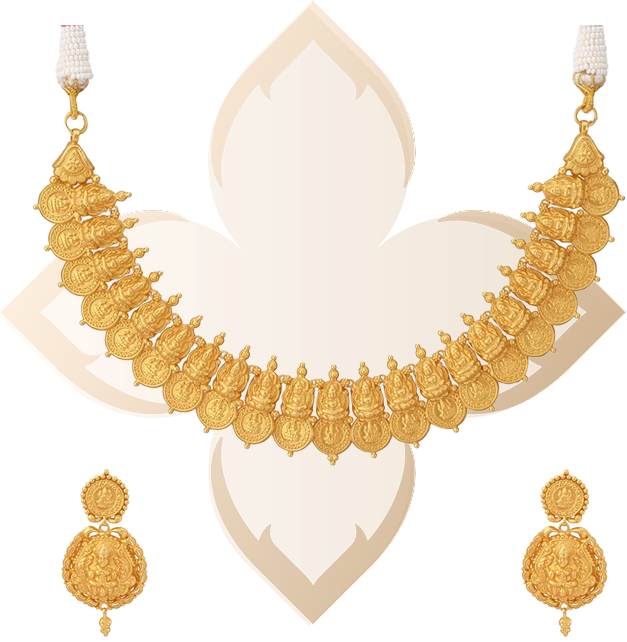
The nichayathartham marks the official beginning – a formal promise made in front of gods and grandparents alike. Families gather, blessings are exchanged, and gold glints subtly in every gesture. The Telugu bride often receives the first of her bridal ornaments here – delicate Telugu gold necklace designs that mirror the purity of intent. It’s a ceremony where commitment is sealed not just with words, but with artistry. Whether the soft curve of a gold choker design or the rhythmic jingle of bangles that catch every enamoured glance.
Nalangu Ceremony – The Fun and Playful Pre-Wedding Ritual
If nichayathartham is solemn, nalangu ceremony is sunshine. It’s laughter echoing through courtyards, turmeric smeared playfully across cheeks, and elders turning mischief-makers. Here, the Telugu bride sheds her poise for a moment and becomes every daughter who once ran barefoot through ancestral homes. Her Telugu bridal look during nalangu is softer, with jasmine in her braid, a splash of coral on her wrists, and perhaps a slim gold kada catching the light. It’s the ritual that reminds her that marriage begins not with perfection, but with play.
Traditional Telugu Bridal Jewellery – A Symbol of Heritage
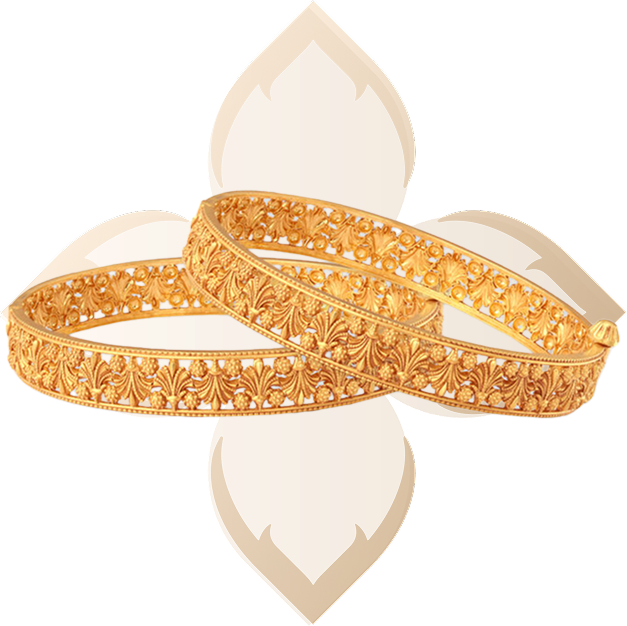
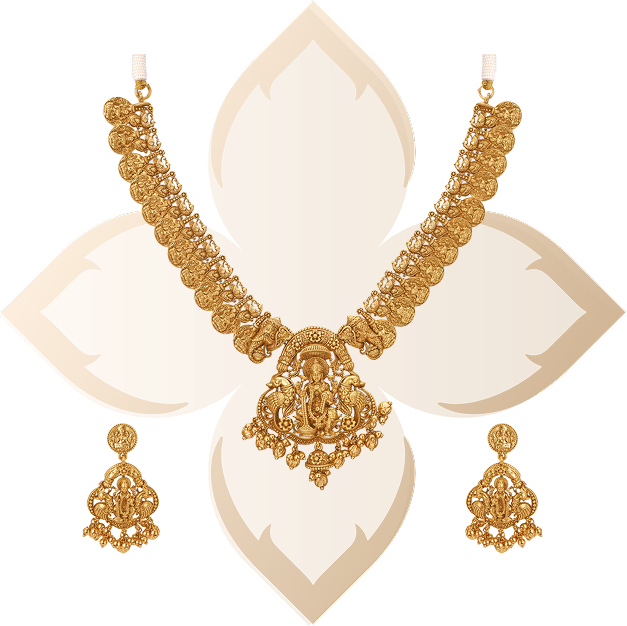
For the Telugu bride, jewellery is not mere adornment. It is her lineage cast in gold, each piece an echo of her foremothers, her guardians of art, devotion and strength.
Mangalsutra (Pustelu or Bottu)
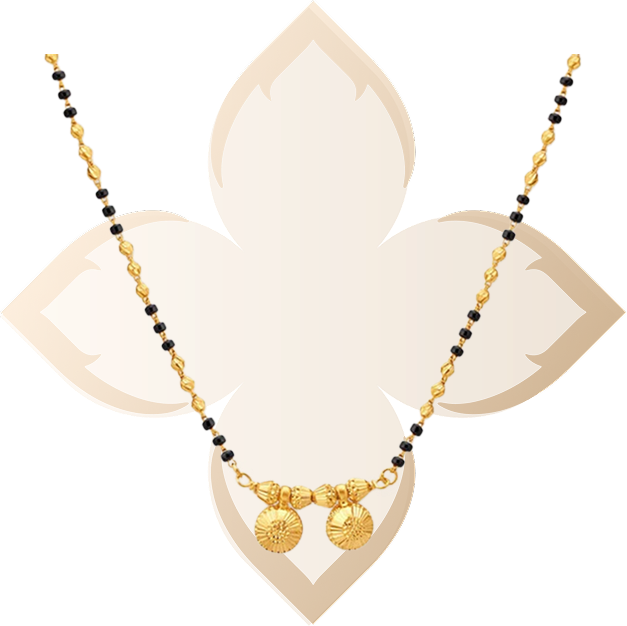
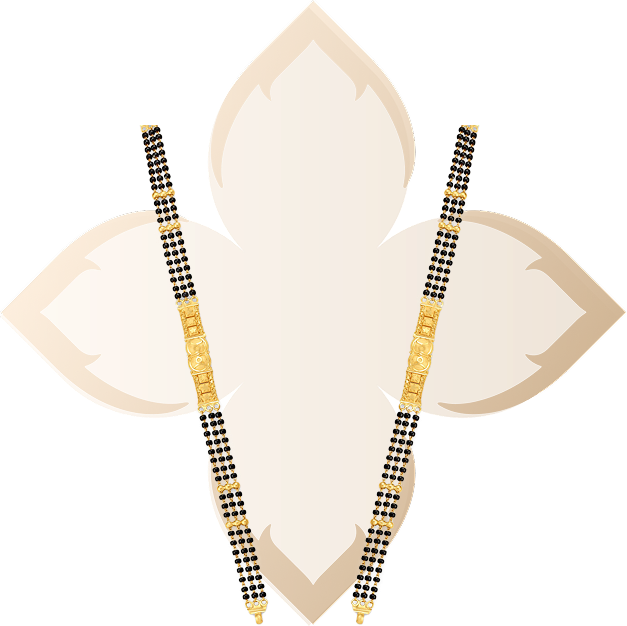
The Telugu mangalsutra gold, known as Pustelu or Bottu, is the heart of the ceremony. Crafted with black beads, gold discs, and sometimes twin coins, it symbolizes the union of two souls and the protection of their bond. Each Telugu mangalsutra design carries regional nuance, from delicate filigree to bold pendants reflecting divine motifs.
Tanishq Tip:
Let your mangalsutra sit close to the neckline of your blouse. The first layer of gold anchors your bridal silhouette.
Vaddanam (Waist Belt)
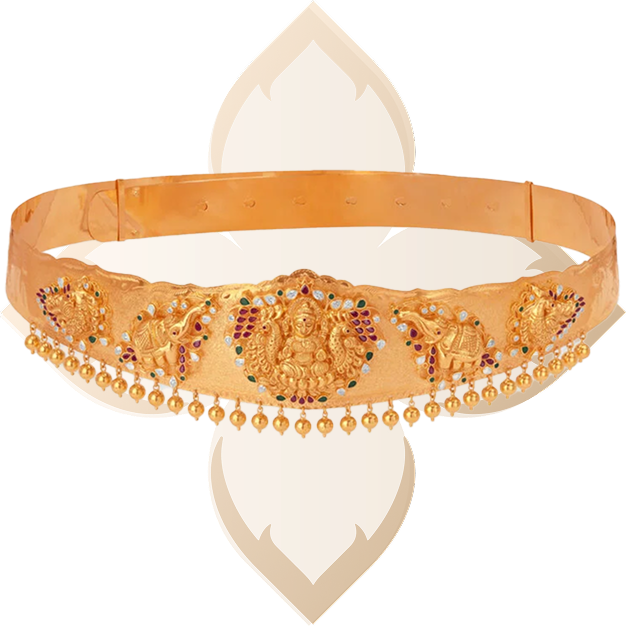
The vaddanam is both ornament and armour, cinching the saree at the waist, framing the silhouette and radiating regal strength. Often featuring goddess motifs, mango patterns and intricate nakshi work, it represents prosperity and power. A statement every Telugu bride wears with pride.
Tanishq Tip:
Align the centre motif of the waist belt with the pleat of your saree. It draws the eye inward to the drape and frames the waist elegantly.
Jhumkas, Haram, and Necklace Layers
No Telugu bridal jewelry look is complete without the classic ensemble of layered necklaces such as a short gold choker design, a medium-length haram, and a long mala that sways with every step. Add to that ornate jhumkas that dance with her laughter, and you have a vision of gold that feels eternal yet new with every wedding season.

Tanishq Tip:
Let your short choker hug the collarbone, medium haram fall just below, and the long mala graze the waist. The tiered layering brings depth and majesty to your look.
Telugu Mangalsutra Designs & Gold Trends
Today’s brides walk the same path their mothers did, but in heels, with playlists and Pinterest boards in hand. The Telugu mangalsutra gold price may change with the times, but its emotional value never does. Contemporary Telugu mangalsutra designs now blend tradition with modernity, with dual-tone pendants, minimal disc motifs and detachable chains that suit both sarees and silks. Whether you’re drawn to heritage patterns or clean, modern lines, the Telugu bride of today curates her jewellery as she curates her life – personal, poetic and purposeful.
Conclusion
Every glint of gold, every ritual, every thread of the Telugu bridal look is an act of remembrance. Of women who came before, and those who will follow. From nichayathartham to nalangu, from the sacred Telugu mangalsutra gold to the layered beauty of temple jewellery, this is more than a wedding aesthetic. It’s a celebration of faith, family and the eternal artistry of being a Telugu bride.

Frequently Asked Questions
Tanishq combines regional authenticity with national trust, offering over 1.8 lakh designs starting at ₹15,000, crafted with purity, heritage and transparent pricing.
No. Making charges start as low as 7%, with coins at 3%. Unlike others, Tanishq charges only MC, no wastage, so you pay less for more value.
You’re billed only for the pure gold weight, not stones, lac or enamel. That ensures complete fairness and transparency in pricing.
Every piece undergoes 35 + purity checks, exceeding BIS standards, with detailed, itemised billing for total trust.
Yes! From Pustelu mangalsutras to traditional Vaddanams, Tanishq offers authentic Telugu pieces across price ranges, starting at ₹15,000.
Tanishq offers only making charges (no wastage), net-weight billing, and transparent itemised invoices, backed by unmatched purity checks and heritage craftsmanship.