 GET THE APP



Diamonds are often chosen for moments of beauty and emotion, but some purchases naturally invite a longer view. When it comes to the timelessness of a diamond, not all diamonds are created equal. Natural diamonds are shaped by billions of years of nature’s artistry while lab-grown diamonds are mass-produced, fashion-forward inventions.
So when buyers begin to think in terms of legacy, asset value and permanence, the conversation shifts from sparkle to substance. This is where natural diamonds come out superior for their long-term worth and wealth preservation quotient.
This guide looks at diamonds through a wealth lens: examining rarity, value stability, resale potential and heirloom relevance, to help you decide whether a diamond is simply adornment, or something more enduring.
Long-Term Wealth: What Really Matters
To evaluate whether a diamond is good investment material, it’s important to establish objective criteria. Long-term wealth is shaped not by trends, but by four enduring factors:
- Rarity – Is the supply finite or scalable?
- Value stability over time – Does the asset resist rapid depreciation?
- Resale and liquidity – Is there an established secondary market?
- Heirloom relevance – Can the asset carry value across generations?
With these benchmarks in mind, the differences become clearer.
To the naked eye, natural diamonds and their lab-grown alternatives might look similar. Various machines can be used to determine a diamond’s authenticity, so you are assured about making the right purchase.
Tanishq Tip:
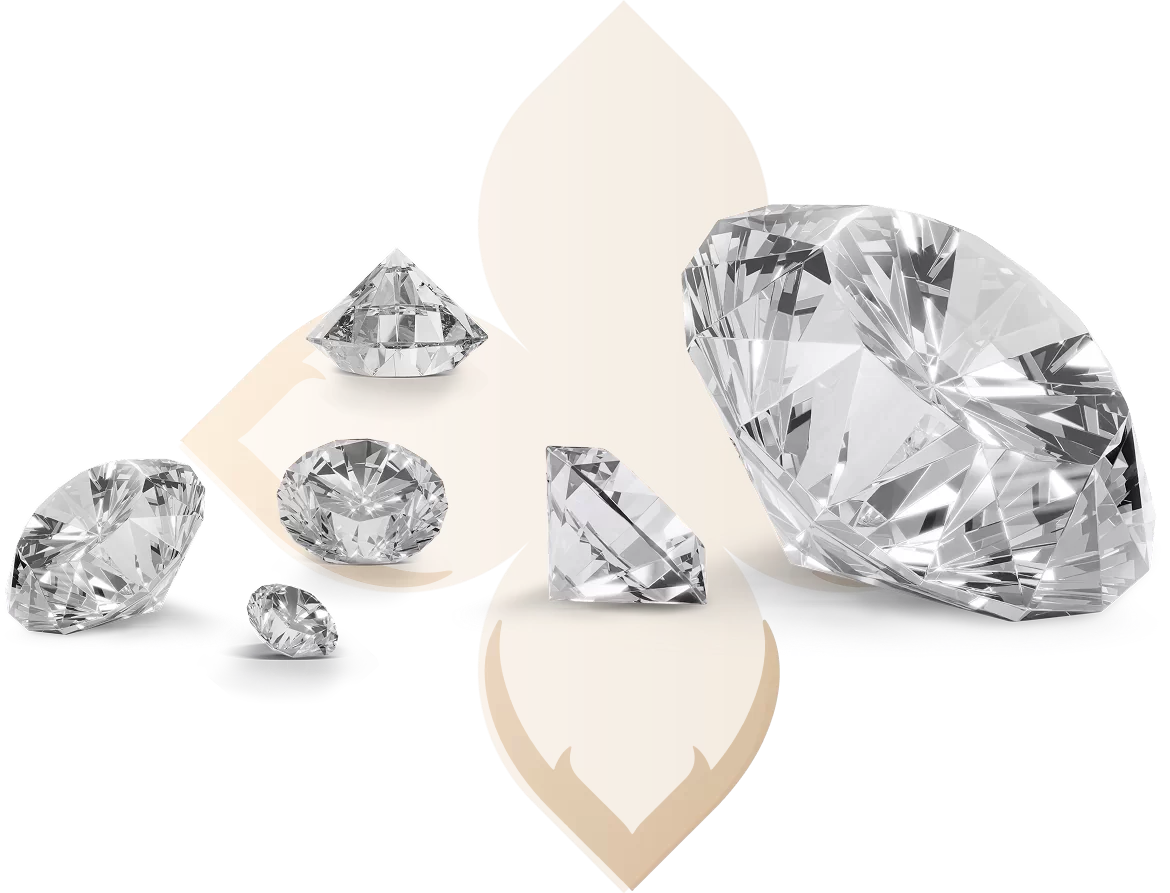
Visit your nearest DXC (Diamond Expertise Centre), an initiative by Tanishq, to understand the journey of your diamonds. You will encounter various tools such as the Caratmeter, which differentiates natural diamonds from synthetic ones and LightScope, which visually demonstrates a diamond’s light performance to enhance your understanding.
Rarity & Supply: Finite vs. Scalable
- Natural Diamonds
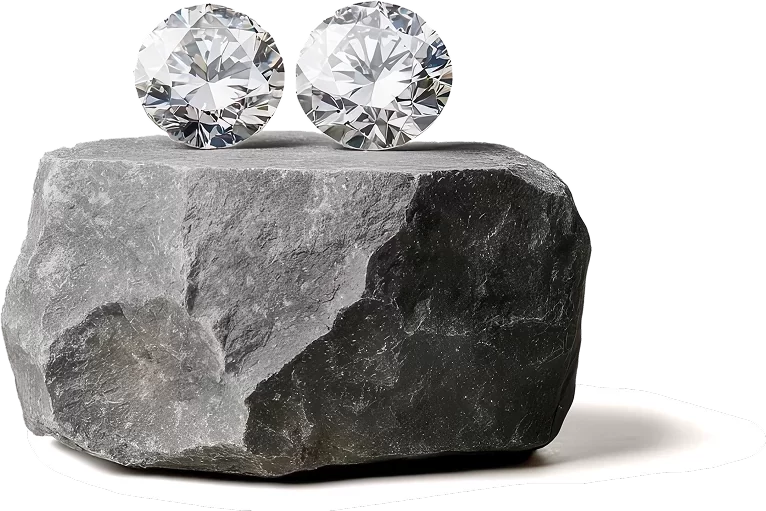
Natural diamonds are formed deep within the Earth over billions of years. Their supply is inherently finite, with global mining output gradually declining. No technology can accelerate or replicate this natural process, which makes rarity an enduring characteristic rather than a controlled variable.
- Lab-Grown Diamonds
A lab-grown diamond is manmade, produced in controlled environments using technological processes. As production capacity improves and scales, supply can increase without a natural cap.
Why this matters for wealth:
Scarcity is a fundamental driver of long-term value. Assets that cannot be scaled or mass-produced tend to retain worth more consistently over time.
Lab grown diamonds emerge in weeks via HPHT/CVD labs, where supply scales with factories and tech upgrades. No natural limits mean endless production potential which also means declining long-term value.
Value Stability Over Time
- Natural Diamonds
Natural diamonds operate within a mature, globally recognised valuation ecosystem. Prices are influenced by long-term demand, rarity and established trade practices. This structure helps natural diamonds maintain relative value stability and reduces exposure to rapid price erosion.
- Lab-Grown Diamonds
Lab-grown diamond pricing is closely linked to manufacturing efficiency. As technology improves, production costs tend to fall: a pattern common across manufactured goods. This often results in downward price adjustments over time. What costs less today may halve tomorrow, eroding purchase power.
Resale Value & Market Acceptance
- Natural Diamonds
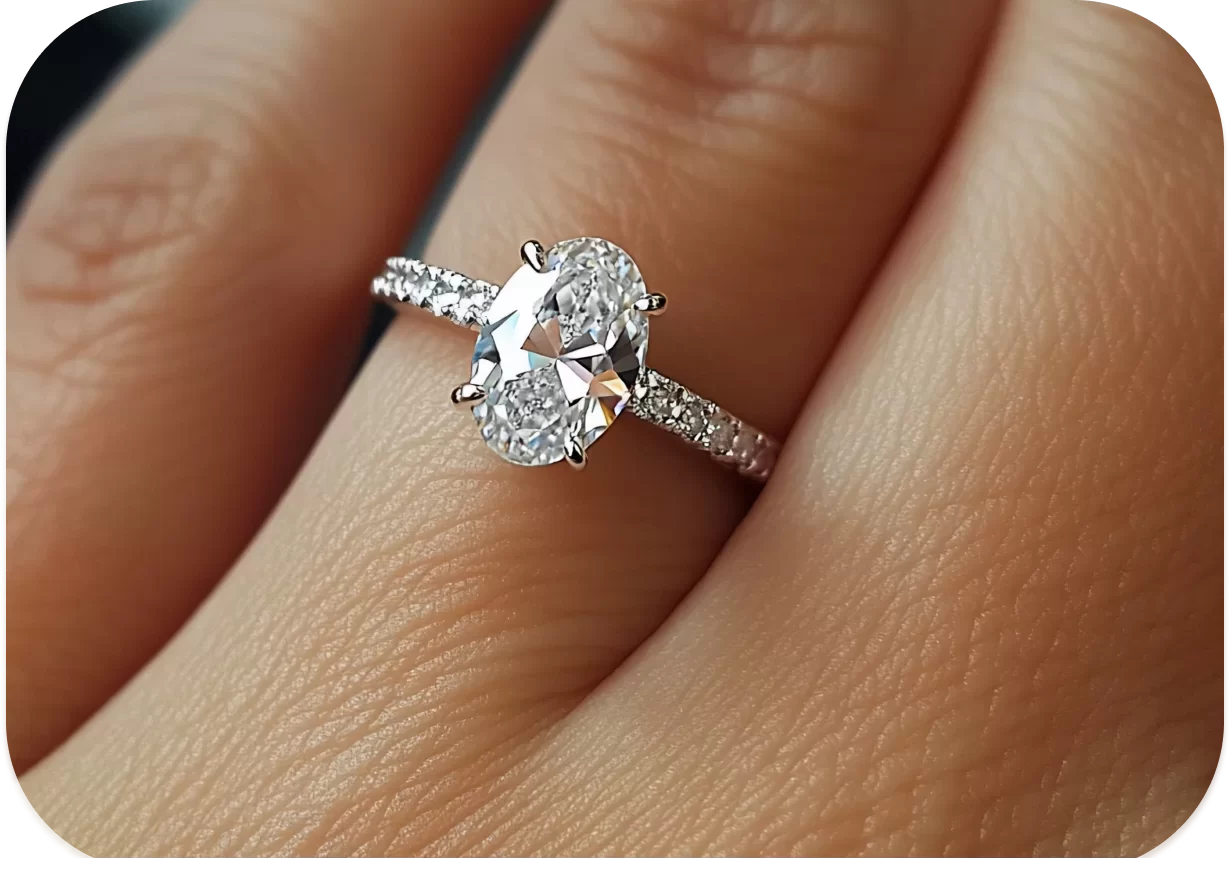
Natural diamonds are widely accepted for resale, exchange and revaluation. They are recognised by jewellers, insurers and financial institutions worldwide, supported by established secondary markets. Many buyers who buy natural diamonds also benefit from upgrade and exchange options at prevailing market rates, ensuring liquidity without loss.
- Lab-Grown Diamonds
Resale acceptance for lab-grown diamonds remains limited. Secondary markets are still evolving and realisation values are often significantly lower, reflecting the absence of scarcity and established buyback ecosystems.
Heirloom & Generational Value
- Natural Diamonds
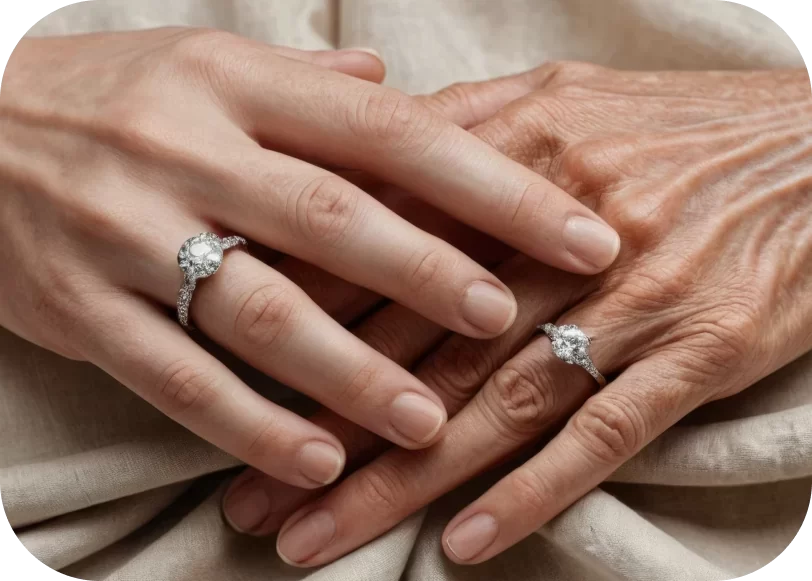
Natural diamonds have a long history of being passed down through generations. Their emotional, cultural and financial significance remains intact over time, unaffected by changes in production methods or technology.
- Lab-Grown Diamonds
As newcomers, lab grown diamonds lack generational proof; perceived more like high-end fashion than eternal assets, their heirloom appeal fades with price volatility.
Investment Jewellery: Where Emotion Meets Asset Value
While diamonds are not financial instruments in the traditional sense, certain categories of jewellery, particularly those crafted with natural diamonds, often occupy a unique space between emotion and asset. This is why investment in diamond jewellery is often viewed as long-term ownership rather than short-term return, centred on preservation, not speculation.
Conclusion
When viewed through the lens of long-term wealth, the distinction between natural and lab-grown diamonds becomes less about appearance and more about fundamentals. Finite supply, value stability, resale acceptance and generational relevance continue to anchor natural diamonds in the realm of enduring worth. For those seeking more than momentary brilliance, natural diamonds remain aligned with longevity, legacy and lasting value.

Frequently Asked Questions
Natural diamonds are finite assets with established global markets, which allows them to retain value over time when chosen thoughtfully.
Diamonds are typically viewed as long-term value holders rather than short-term investments. Their worth lies in preservation, not rapid appreciation.
Lab-grown diamonds are subject to technological pricing trends, which can affect long-term value stability.
Their rarity, emotional significance and global acceptance make them suitable for heirloom and milestone jewellery.
Diamonds are best chosen for a combination of emotional significance, craftsmanship and long-term value rather than purely financial reasons.