 GET THE APP



Diamonds today come with more choices than ever before and with choice comes questions. As conversations around lab grown diamonds vs. natural diamonds grow louder, many buyers find themselves wondering what truly sets them apart beyond price tags and technical terms. Understanding these differences isn’t about right or wrong; it’s about clarity, confidence and choosing a diamond that aligns with what you value most, today and for years to come.
Natural diamonds and lab-grown diamonds both dazzle, but their origins, value journeys and long-term stories differ in many ways. One is shaped by nature across billion years, carrying rarity and emotional depth whole the other is designed for immediacy and contemporary expression. This guide breaks down the essentials, from formation and certification to cultural resonance and smart buying, so you can choose with confidence.
What Are Natural Diamonds?
Natural diamonds are formed deep within the Earth, over 1 to 3 billion years, under extreme heat and pressure, nearly 150–200 kilometres below the surface. Each stone is a geological marvel, shaped by time and nature, erupting to the surface via volcanic kimberlite pipes. Less than 1% of these reach gem quality.
Because of their natural origin, no two diamonds are identical. Their internal inclusions act like a fingerprint, making every natural diamond entirely unique.
What Are Lab-Grown Diamonds?
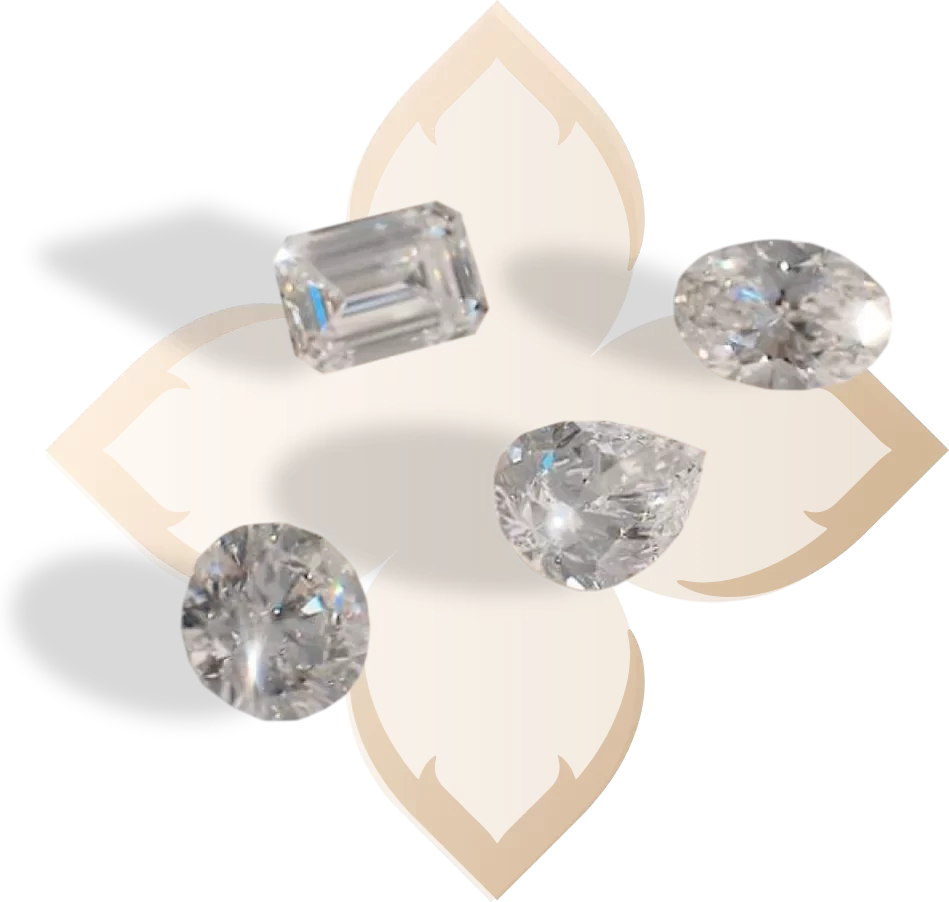
Lab-grown diamonds are manmade creations made for accessorising and styling. They are created in controlled laboratory environments using advanced technological processes that replicate the conditions under which diamonds form naturally. This process is recreated in weeks using high-pressure high-temperature (HPHT) or chemical vapour deposition (CVD) methods. Chemically and physically, they share similarities with natural diamonds and are also composed of carbon atoms arranged in a crystalline structure.
The key difference lies not in appearance, but in origin, rarity, and long-term value, factors that become especially important once the initial purchase moment has passed.
Natural Diamonds Vs. Lab-Grown Diamonds: Key Differences
Natural diamonds carry irreplaceable rarity and legacy, while lab grown diamonds prioritise accessible sparkle. Here’s a side-by-side view:
Aspect |
Natural Diamonds |
Lab-Grown Diamonds |
|---|---|---|
|
Origin |
Created over billions of years in nature |
Manmade; Lab-created in weeks via HPHT/CVD |
|
Rarity |
<1% gem-quality; heirloom value |
Unlimited supply; depreciates faster |
|
Uniqueness |
Naturally occurring, one-of-a-kind with unique inclusions |
Structurally similar, often replicated |
|
Certification |
loose-form grading; 4Cs |
Similar 4Cs, but less emphasis on provenance |
|
Cultural Value |
Eternal symbols; valued for their rarity |
Fast-fashion choice for accessorising & styling |
|
Economic (lab diamonds Vs. real diamonds cost) |
Retains/appreciates |
Declining steadily |
|
Environment |
Ethical mining; improving traceability |
High energy; water use varies by method |
|
Value Over Time |
Globally traded with intrinsic worth |
Prices may fluctuate with production scale |
Tanishq Tip:
Visit a Diamond Expertise Centre (DXC) to understand your diamond’s authenticity via De Beers tools like SynthDetect. Experience science firsthand.
Certification and Grading
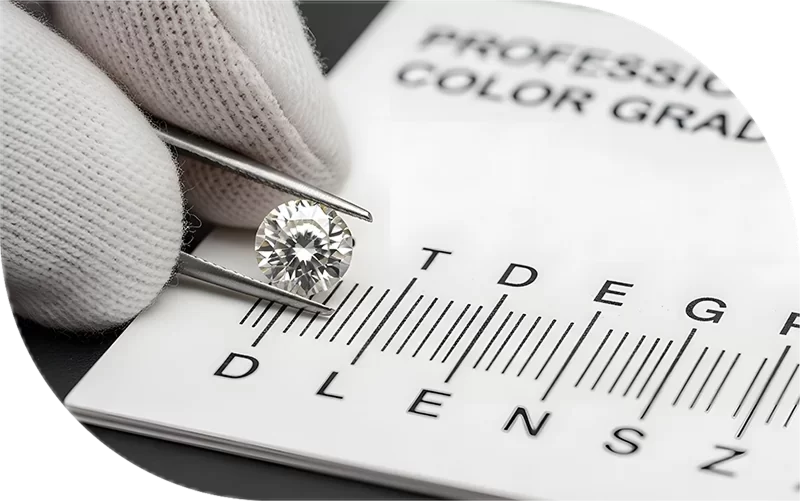
Both natural and lab-grown diamonds are graded using internationally recognised standards such as cut, colour, clarity and carat. However, certification plays a crucial role in transparency, especially when distinguishing lab-grown diamonds vs. real diamonds.
At Tanishq, diamonds are graded in their loose form and undergo multi-level checks, ensuring the details mentioned in certificates reflect the diamond you actually own; a process that becomes even more meaningful for buyers seeking long-term confidence.
Cultural Value
For generations, natural diamonds have symbolised milestones: engagements, anniversaries, inheritances. Their rarity and age often translate into emotional permanence. When discussing natural vs. lab-grown diamonds, cultural significance is a subtle yet powerful differentiator that continues to shape buyer sentiment.
Technical Attributes
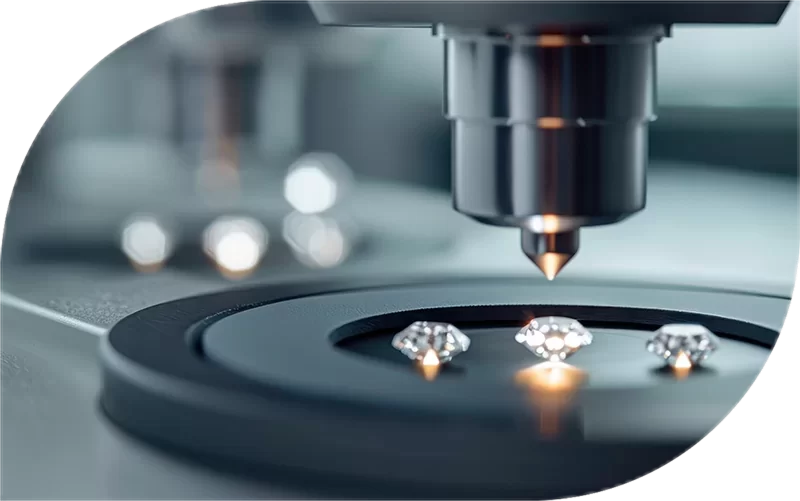
Technically, both diamond types can display brilliance and durability. However, advanced equipment is often required to distinguish lab diamonds vs real diamonds, particularly in professional settings such as certification labs.
Economic Considerations
The Lab-grown diamonds vs. natural diamonds price difference is the most commonly used point of comparison. Lab-grown diamonds typically have a lower upfront cost. Natural diamonds, however, are globally recognised assets that retain intrinsic value and are often eligible for exchanges, upgrades or resale; factors that influence long-term worth beyond initial pricing.
Environmental Impact
Both categories continue to evolve in terms of responsible practices. Natural diamonds today are sourced through regulated, ethical frameworks, while lab-grown diamonds depend heavily on energy consumption. The environmental conversation remains nuanced and multifaceted rather than one-dimensional.
How to Identify Natural Vs. Lab-Grown Diamonds
While lab grown diamonds vs. real diamonds may appear identical to the naked eye, trained gemologists use specialised equipment to identify growth patterns, inclusions and trace elements. They may use advanced tools like spectroscopy or UV light to detect growth patterns invisible to the eye; naturally show strain patterns from eons underground. Visiting a Diamond Expertise Centre, Tanishq’s newest initiative to make diamond information and awareness more accessible, where we help buyers understand these distinctions clearly and confidently.
Which Diamond Is Right for You?
Choosing between natural diamond vs. lab-grown often depends on what you value most: rarity, legacy, long-term worth or immediate affordability. Understanding these priorities helps transform a purchase into a decision you’ll feel certain about years later.
For everyday fashion, lab-grown diamonds offer size on budget. But for milestones symbolising timeless commitment, like engagements or heirlooms, natural’s R.U.T.V. (Rarity, Uniqueness, Timelessness, Value) aligns with enduring stories.
What Are the Advantages of Natural Diamonds?
Natural diamonds carry a sense of permanence that goes beyond appearance. Their rarity, individuality and enduring value position them as heirlooms rather than just adornments.
Each natural diamond is a billion-year miracle: rarer, uniquely structured and globally traded as an asset that holds worth across generations. Tanishq’s 100% caratage assurance, net/gross weight precision and exchange policy make them future-proof investments.
Buying Tips for Consumers
- Always request certification and clarity on origin. Prioritise certificates matching loose-stone grading.
- Understand grading beyond surface brilliance.
- Ask about exchange and upgrade policies.
- Seek expert guidance before finalising your purchase. Visit a DXC for hands-on verification.
Conclusion
The conversation around lab-grown diamonds vs. natural isn’t about comparison alone, it’s about awareness. A diamond is often chosen to mark something meaningful and understanding its journey and value better helps ensure that meaning lasts. With the right knowledge and expert guidance, your choice becomes less about trends and more about timeless confidence.
Understanding natural vs. lab grown diamonds empowers choices that match your values, be it modern affordability or eternal legacy. Natural diamonds from Tanishq blend nature’s rarity with trusted craftsmanship for pieces that endure.
Frequently Asked Questions
Their origin: one formed by nature over billions of years, the other created in a laboratory.
Yes, visual differences are usually undetectable without specialised equipment.
Both rank similarly on hardness (score 10 on Mohs), but durability also depends on cut and craftsmanship.
Lab-grown diamonds are priced largely on production costs, while natural diamonds hold intrinsic market value.
Yes, both follow international grading parameters.
Yes, with proper tools and expertise.
Both have evolving sustainability practices; the impact depends on sourcing and energy use.
Natural retain/appreciate as assets; lab resale lower due to supply.
Absolutely. Certification ensures transparency and trust.