 GET THE APP


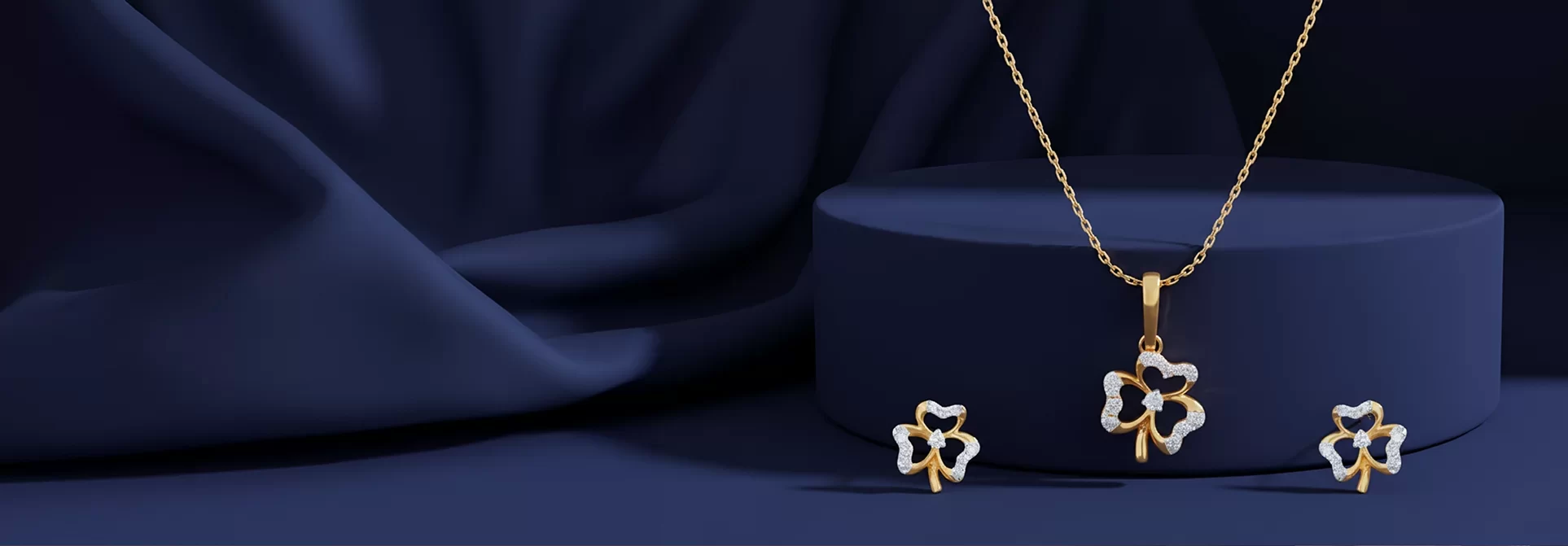
Diamonds have long been cherished for their beauty, rarity, and emotional significance. But when it comes to financial planning, many ask: is diamond a good investment? Unlike gold, which has standardised pricing and universal liquidity, diamonds occupy a more nuanced space in the world of assets. Their value is shaped by quality, certification, market demand, and individual characteristics. While they may not offer the predictability of traditional commodities, diamonds can serve as a store of value when chosen wisely. Understanding the realities of diamond investment helps you make informed decisions that balance emotion with pragmatism.
Benefits of Investing in Diamonds
Diamonds offer value beyond adornment and can serve as long term assets when chosen thoughtfully.
- Portability and durability: Diamonds are compact, highly durable, and easy to store or transport. As one of the hardest natural substances, they resist everyday wear and maintain their integrity over time.
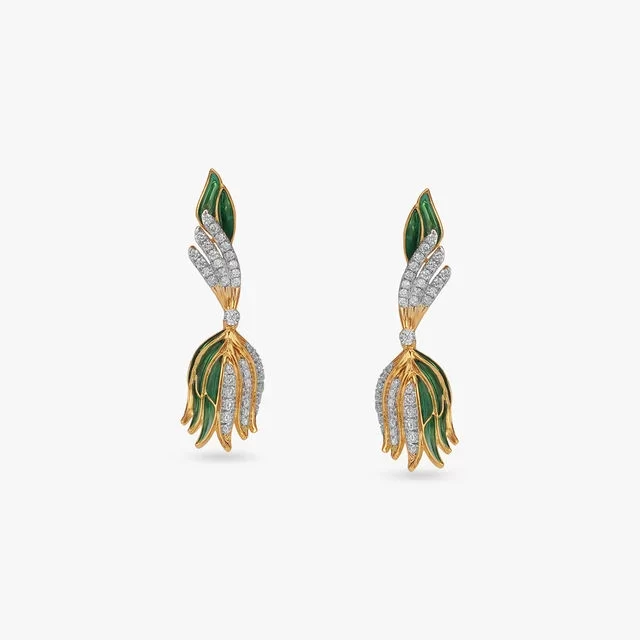
- Timeless appeal: A classic diamond ring design or a diamond bridal necklace retains elegance across generations. Unlike trend-driven accessories, diamonds remain relevant and desirable. The Dancing Wing Diamond Drop Earrings exemplify this timeless sophistication, making them both a personal treasure and a lasting asset.
- Rarity and symbolism: High quality natural diamonds are limited in supply, helping preserve long term demand. Their association with commitment and success adds emotional depth to their value.
- Potential store of value: While not as predictable as gold, certified diamonds can hold value over long periods when selected carefully and maintained well. Considering jewellery as an investment means recognising both its aesthetic and material worth.
Tanishq Tip:
When buying diamonds, look for GIA or IGI-certified stones and insist on transparent billing that lists carat, color, clarity, and cut. This ensures you are investing in authenticity and traceable quality.
What Are the Risks and Cons of Investing in Diamond Jewellery?
While diamonds are valuable, they do not function like traditional commodities.
- Lack of standard pricing: Diamonds do not have a universal benchmark rate. Their value depends on the 4Cs and prevailing market demand, making diamond investment returns harder to predict.
- Resale value limitations: Retail markups mean resale prices are often lower than the original purchase cost.
- Illiquidity: Selling a specific diamond shape or quality can take time due to limited buyer demand.
- Dependence on certification: Uncertified or inaccurately graded diamonds may see a sharp drop in value.
Tanishq Tip: Tanishq offers an Exchange and Buyback Policy at prevailing diamond rates, providing flexibility and confidence when upgrading or reselling.
Guidelines to Keep in Mind before Investing in Diamonds
If you are evaluating whether is it good to invest in diamond, keep these guidelines in mind.
- Certification is essential: Only invest in diamonds that come with verified grading reports.
- Understand the 4Cs: Cut affects brilliance, clarity defines purity, color impacts rarity, and carat determines size and perceived value.
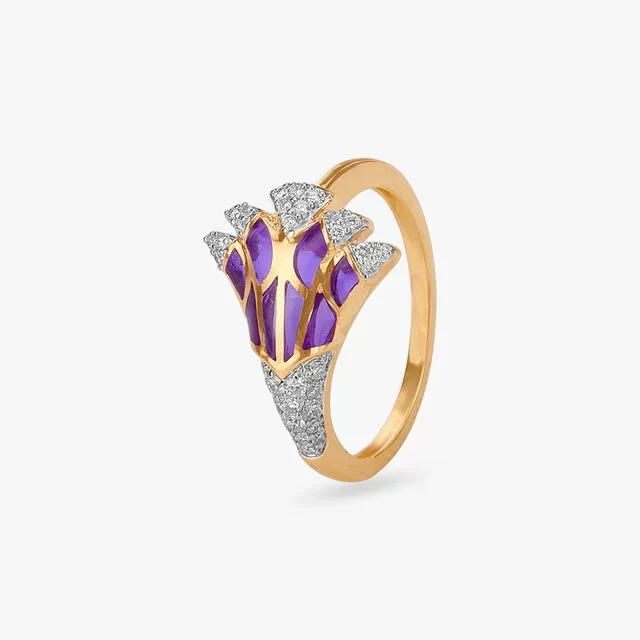
- Prioritise cut over size: A well cut smaller diamond often offers better brilliance and long term appeal than a larger poorly cut stone. A piece like the Celestial Wing Diamond Ring showcases how superior cut quality elevates a design, offering both elegance and enduring value.
- Buy from trusted jewellers: Reputed retailers like Tanishq provide certified, conflict-free diamonds and transparent quality checks.
- Choose versatile designs: Pieces such as classic diamond earrings on men or everyday diamond rings combine wearability with long term relevance.
Challenges of Diamond Investment
Diamond investment comes with certain structural challenges.
- Market fluctuations: Global economic conditions and mining output influence diamond pricing.
- Limited transparency: The diamond market is less regulated than gold, making price comparisons more complex.
- Insurance and storage needs: Despite their durability, diamonds should be insured against loss or theft.
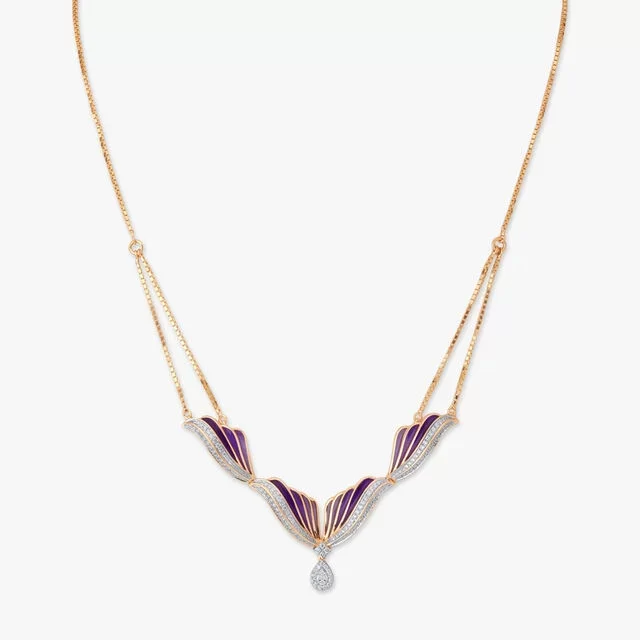
- Trend sensitivity: Certain cuts and styles may fall out of favour, affecting resale interest. However, timeless designs like the Wing Crest Diamond Necklace maintain relevance and desirability across changing trends.
Common Mistakes to Avoid While Investing in Diamond Jewellery
- Purchasing diamonds without proper certification
- Paying high brand premiums without assessing actual quality
- Treating diamonds as short term financial investments
- Neglecting professional maintenance and cleaning
Conclusion
So, which is better investment gold or diamond? Gold remains a traditional store of wealth due to its standardised pricing and liquidity. Diamonds, on the other hand, offer emotional significance, lasting aesthetic value, and the potential for appreciation when quality is prioritised. Is diamond a good investment? The answer depends on your goals. If you seek financial predictability, gold may be the safer choice. But if you value legacy, beauty, and personal connection, diamonds offer something money alone cannot buy.
For those seeking enduring elegance with assured quality, Tanishq’s diamond collections bring together craftsmanship, certification, and transparency. With a strong retail presence and lifetime maintenance support, every Tanishq diamond represents an investment in trust, authenticity, and timeless style.
Frequently Asked Questions
High quality, certified diamonds may appreciate over time, especially rare stones. However, diamond investment returns are not guaranteed and depend heavily on market demand, quality, and certification.
Resale value is generally lower than retail price due to markups. Certified diamonds from reputed jewellers tend to retain better resale value than uncertified ones.
The 4Cs of cut, clarity, color, and carat are primary factors. Certification, brand reputation, and market trends also play significant roles in valuation.
Diamonds lack standardised pricing and liquidity compared to gold. Their value is subjective and emotional, making them better suited as personal treasures with potential long term worth rather than quick financial assets.