 GET THE APP


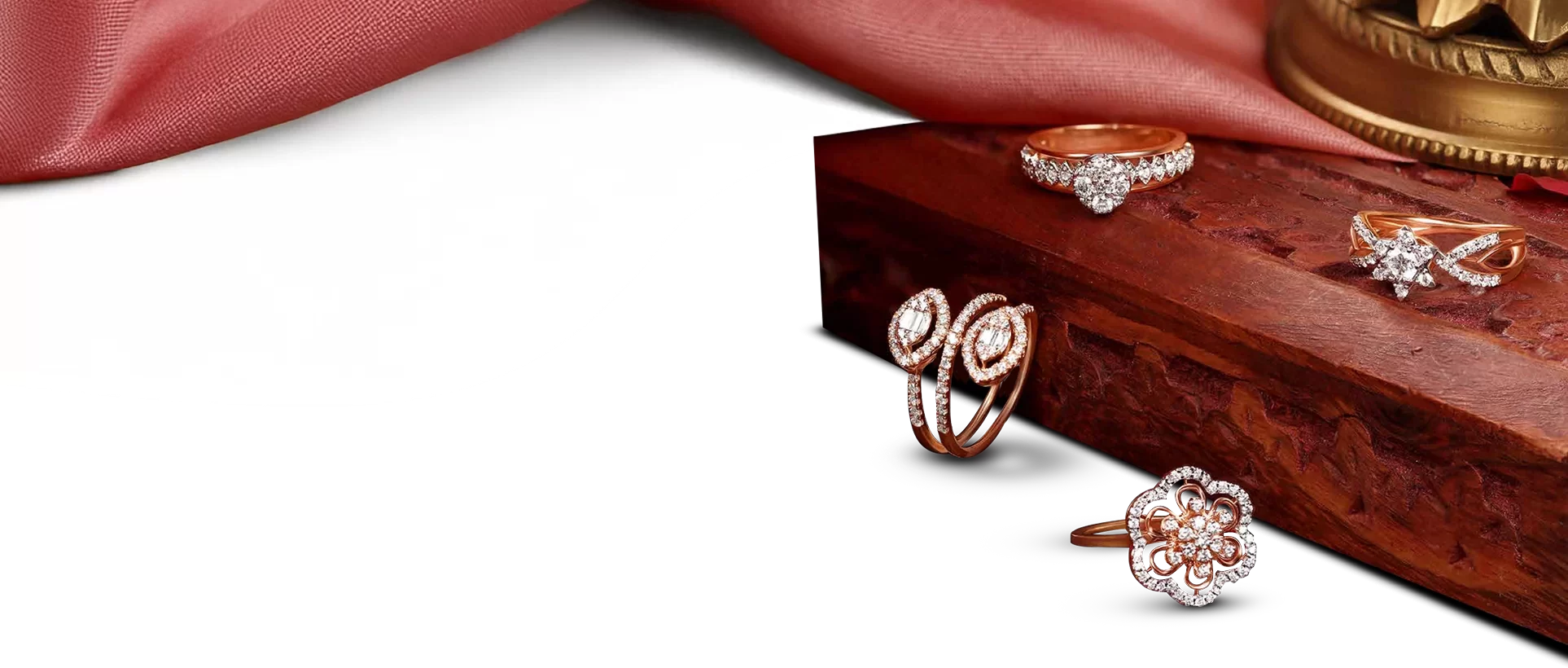
“How to identify a real diamond” is one of the most searched jewellery questions and for good reason. With diamond alternatives becoming increasingly convincing, knowing how to check real diamond authenticity helps you protect both emotion and investment. In simple terms: a real diamond has unmatched brilliance, durability and geological integrity that imitations cannot fully replicate.
Identifying a real diamond doesn’t always require expensive equipment or gemologist certification. While professional appraisal remains the gold standard, several reliable at-home tests can help you assess whether a stone is likely genuine when you’re shopping for unique diamond rings or other diamond jewellery. These methods focus on diamond’s unique physical properties: extreme hardness, high refractive index, thermal conductivity and density, that most imitations can’t replicate.
This guide walks you through practical at-home checks, professional indicators and the nuances that separate a genuine stone from lookalikes.
What Makes a Diamond “Real”?
A real diamond is a naturally occurring gemstone made of pure carbon, formed under extreme heat and pressure deep within the Earth over billions of years. Mohs hardness of 10 (hardest known natural substance), refractive index of 2.42 (creates intense sparkle) and exceptional thermal conductivity (doesn’t retain heat or cold) are just some of its unmatched physical properties. What sets it apart, though, isn’t just hardness, but how it bends light, resists heat and carries natural inclusions that are tiny fingerprints of its origin.
When people ask how can you identify a diamond, they’re really asking how to recognise these inherent qualities that no imitation fully matches. Most diamond simulants such as cubic zirconia, moissanite, white sapphire, mimic appearance but fail when tested against the traits of natural diamonds. How to identify original diamond comes down to exploiting these differences.
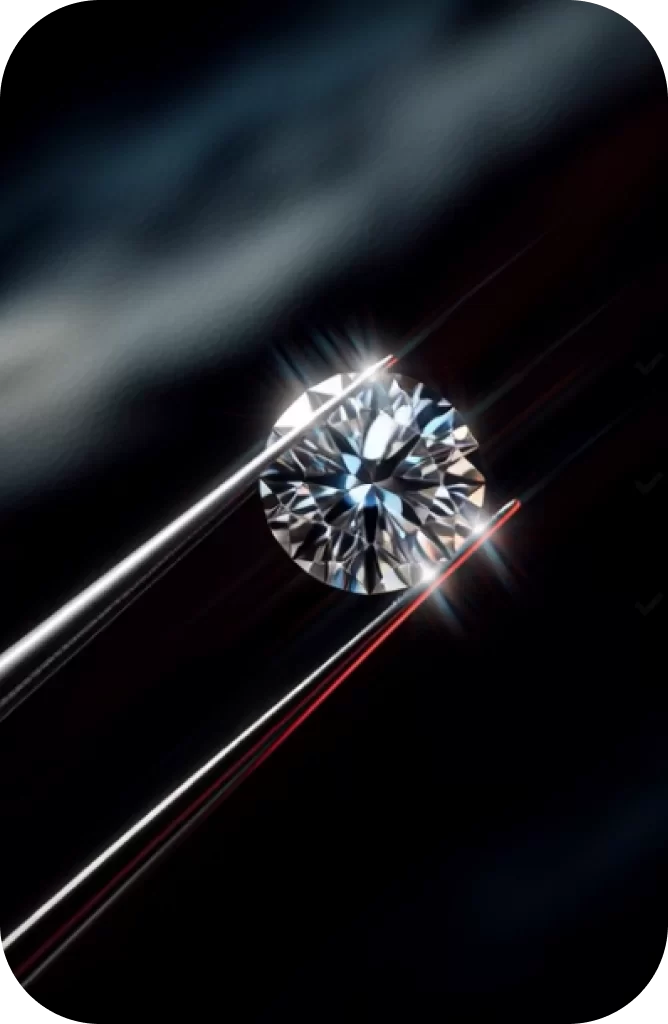
Top Ways to Tell if a Diamond Is Real
These tests don’t replace professional evaluation, but they help you understand how to identify original diamond characteristics with confidence.
- Visual Inspection
Look closely at the stone. Examine edges and facets under good lighting. Real diamonds often have slight imperfections or inclusions. Perfect clarity can actually be a red flag. Look for a slight bluish tint in table facets. Genuine stones often face up whiter than imitations.
- Sparkle & Light Play
Diamonds reflect light in a sharp, high-contrast way. Expect white brilliance with flashes of grey rather than rainbow-heavy sparkle. Test by placing on newsprint:you shouldn’t see lines through a real diamond due to total internal reflection.
- Fog (Breath) Test
Breathe on the stone. A real diamond disperses heat quickly, so fog disappears almost instantly. If it lingers, question authenticity. Cubic zirconia, glass and most simulants retain fog for 3–10 seconds. (Note: This works best on loose stones or low-set jewellery; deeply set stones may behave differently.)
- Water (Density) Test
Real diamonds have high density (3.52 g/cm³). Drop the stone into water: genuine diamonds sink immediately and stay submerged. Most simulants (especially glass at 2.5 g/cm³) float or sink slowly. (Avoid testing mounted jewellery; use only loose, unset stones.)
- Loupe / Magnification Test
Under magnification, genuine diamonds show natural inclusions or sharp facet edges. Use a 10x loupe to inspect girdle and culet areas. Real diamonds rarely show bubbles or gas inclusions; look for metallic, needle-like or crystal inclusions instead. Cubic zirconia often has rounded girdles and visible facet imperfections. Moissanite may show internal doubling. Rounded edges often indicate imitation.
- Newspaper / Dot Test
Place the stone table-down on newsprint or a dotted “i”. If you can read letters or see the dot through the stone, it’s likely fake. Real diamonds block light transmission completely due to total internal reflection.
- Scratch / Hardness Test
Diamonds are extremely hard but this test is risky and not recommended for set jewellery. Diamonds scratch everything else. Test by scratching glass or ceramic tile. Real diamonds leave a permanent mark. (Caution: Only test loose stones; don’t risk scratching glass jewellery or countertops. Also, some simulants like moissanite can scratch glass.)
- UV / Black Light Test
Many diamonds emit a soft blue fluorescence under UV light, though not all. Strong colours can indicate a fake. Under UV light, many real diamonds fluoresce blue (20–30% show this trait). Cubic zirconia typically fluoresces orange or yellow; moissanite shows weak green. Absence of fluorescence doesn’t disprove authenticity, some diamonds are inert.
- Heat Resistance Test
Real diamonds conduct heat rapidly. Professional testers measure this precisely, but at home: hold loosely in hand. Genuine stones feel cold longer than metal but warm quickly. Glass feels warmer immediately.
- Magnet Test
Diamonds are non-magnetic. Any magnetic reaction suggests the presence of other materials. Test with a strong neodymium magnet: genuine stones show no attraction. Some synthetic simulants or poorly made pieces may contain magnetic inclusions.
Common Diamond Imitations & How They Differ
Several materials are designed to mimic diamonds:
Imitation |
Key Differences |
How to identify real diamond Test Failures |
|---|---|---|
|
Cubic Zirconia (CZ) |
Excessive fire, rounded facets, retains fog |
Fog test (10+ sec), newspaper test (visible), loupe (mold marks) |
|
Moissanite |
Double refraction, strong green UV glow |
Loupe (doubling), UV test, sparkle looks “too green” |
|
Glass |
Bubbles, low hardness, poor light return |
Scratch test (no mark), fog test (very long), density test (floats) |
|
White Sapphire |
Poor sparkle, low RI (1.77) |
Sparkle test (dull), fog test (long fog), water test (floats) |
Understanding these differences makes it easier to spot a real diamond versus a visually similar substitute, especially in unique diamond rings where craftsmanship amplifies the stone’s character.
Why Certification Matters
If you’re serious about value and authenticity, certification is non-negotiable. Trusted grading reports verify whether a stone is natural, its cut, clarity, colour and carat weight. This is the most reliable answer to how to check real diamond status beyond surface-level tests.
A certified diamond also holds stronger long-term value and resale credibility.
Home tests narrow possibilities but can’t confirm authenticity definitively. Real diamonds above 0.20ct should carry reliable certification stating cut, color, clarity, carat and confirming natural origin. Certification also verifies laser inscriptions, fluorescence patterns and growth characteristics unique to genuine stones. Always request papers for unique diamond rings or investment pieces.
Tanishq Tip:
Visit a DXC (Diamond Expertise Centre), Tanishq’s new initiative, to understand more about the journey and authenticity of the diamond you own.
Professional Evaluation: When to Get It
If the diamond is:
- A major purchase
- An heirloom
- Part of an engagement or milestone piece
…it’s worth getting a professional assessment. Gemologists use advanced tools beyond home tests, ensuring absolute clarity on how to identify real diamond authenticity.
Conclusion
Learning how to identify a real diamond isn’t about distrust, it’s about discernment. A genuine diamond reveals itself through light, structure, resilience and provenance. While home tests can offer insight, true assurance lies in certification, craftsmanship and transparency.
When you choose a diamond with knowledge and intent, you’re not just buying sparkle, you’re choosing something rare, enduring and unmistakably real.
Frequently Asked Questions
You can start with simple checks like the fog test, water test and sparkle observation. A real diamond disperses heat instantly, sinks in water and reflects light in sharp white flashes rather than rainbow colours. These tests help you understand how to identify real diamond characteristics, though they are not a substitute for certification.
No. While diamonds are extremely hard, scratch tests can damage both the stone and surrounding jewellery. They are outdated and not recommended for verifying a real diamond.
Not necessarily. Some real diamonds fluoresce blue under UV light, while others show no reaction. UV testing alone cannot determine authenticity and should only be used as a supplementary indicator when learning how to identify real diamond stones.