 GET THE APP


Carat weight measures a diamond’s mass, not its visual size. If you want a diamond that looks bigger without increasing carat weight or budget, the secret lies in the diamond shape. Certain diamond cut shapes create the illusion of size through surface area, proportions and how they reflect light. Smart shape selection lets you buy natural diamonds that appear significantly larger while staying within budget. This guide breaks down which diamond ring shapes visually maximise presence and how to choose one that feels generous, balanced and unmistakably striking.
What Makes a Diamond Look Bigger?
A diamond’s visual size isn’t dictated by carat weight alone. What the eye perceives depends on:
- Surface area (how much of the diamond is visible from the top)
- Shape elongation (longer outlines appear larger)
- Cut proportions (spread matters more than depth)
- Light performance (brilliance draws attention outward)
This is why two stones of the same weight can look dramatically different in size.
Tanishq Tip:
Choose lower crown height to create the illusion of more surface area and elongated outlines that appear longer on your finger. A well-cut original diamond in a spreading shape delivers maximum “bling per carat”.
Diamond Shapes That Appear Larger Than Their Carat Weight
Some different types of diamond shapes are naturally more generous in appearance. Here’s why these styles consistently outperform their carat count.
- Oval Cut
The diamond ring oval shape is a favourite for good reason. It offers the best spread-to-weight ratio. That means its elongated outline increases visible surface area, making it appear larger than round stones of the same weight. It also flatters the finger, which adds to the overall impact.
Best for: Elegant, modern styles of women’s real diamond rings meant for everyday wear.
- Marquise Cut
With pointed ends and a stretched silhouette, the marquise cut maximises length. It offers one of the largest face-up appearances per carat.
Best for: Those who want drama and a statement look without increasing carat size.
- Pear Shape
A hybrid of oval and marquise, the pear shaped diamond ring feels both soft and striking. The tapered tip draws the eye upward, enhancing perceived size.
Best for: Engagement rings and directional settings that elongate the hand.
- Emerald Cut
While less sparkly, emerald cuts have large, open facets and a wide table. This creates a bold, mirror-like surface that feels expansive.
Best for: Lovers of clean lines and architectural elegance.
- Cushion Cut
Depending on proportions, a cushion cut can appear larger than expected, especially when it leans more rectangular than square. Square cushions maximise width; rectangular versions elongate elegantly.
Best for: Vintage-inspired styles with modern presence.
Factors That Affect How Big a Diamond Looks
Even within the same diamond shape, appearance can vary based on:
- Depth percentage: Shallower stones often look larger face-up.
- Table size: A wider table increases visual spread.
- Symmetry: Balanced proportions enhance presence.
This is why cut quality matters as much as shape.
Diamond shape determines 70% of visual size, but these elements matter:
Factor |
Maximises Size |
Minimises Size |
|---|---|---|
|
Table % |
55–65% (large, open) |
<50% or >70% |
|
Crown Height |
Shallow-medium |
Deep |
|
L/W Ratio |
Elongated (1.4–2.0)/p> |
Perfectly square |
|
Girdle |
Thin-medium |
Very thick |
|
Cut Grade |
Excellent/Very Good |
Poor/Fair |
Shape vs. Cut: Why Proportions Matter
Shape defines the outline. Cut defines how well that outline performs. A poorly cut diamond, regardless of shape, can look smaller and duller.
For an original diamond, always prioritise proportion and balance over sheer carat weight. A well-cut 0.70 ct can outshine a poorly cut 1 ct stone.
Two diamonds with the same cut can vary 15–20% in face-up size based on:
Depth %: Shallower = bigger face-up (but risks light leakage).
Table/crown/pavilion balance: Optimised proportions create maximum brilliance.
Girdle thickness: Thin-medium girdles maximise table exposure.
Tanishq Tip:
Always view actual photos/videos, paper specs don’t reveal true spread.
Setting Styles That Enhance Diamond Size
The right setting can amplify visual size dramatically:
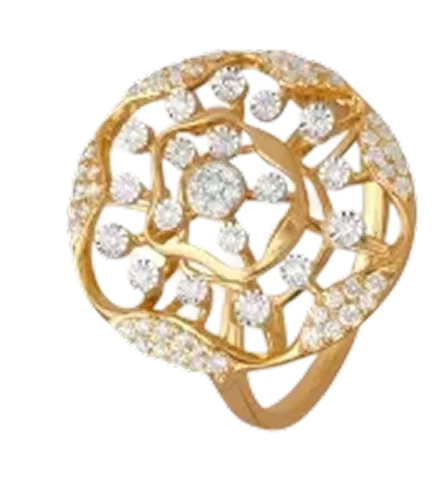
- Slim or tapered bands make the centre stone look larger.
- Elevated settings allow more light, increasing brilliance.
- Minimal metal around the stone enhances spread.
- Avoid thick shanks, high settings or bezels that hide table area.
Tanishq Tip:
A thoughtfully designed setting can add visual presence without adding weight: proof that design intelligence matters as much as carat count.
Budget Tips for Maximising Visual Size
If size presence is your priority:
- Choose elongated shapes over round.
- Opt for excellent cut proportions.
- Invest in setting design, not just stone weight.
- Focus on face-up appearance, not carat labels.
- Halo settings deliver double visual impact without doubling budget.
Smart choices deliver impact without excess.
Conclusion
Choosing a diamond that looks larger than its carat weight is about understanding form, proportion and perception. The right diamond cut shapes, paired with intelligent design, can offer presence, elegance and value without compromise. When selected thoughtfully, your diamond won’t just sparkle; it will command attention.
Frequently Asked Questions
Elongated shapes like oval, marquise and pear shaped diamond ring styles typically appear larger due to greater surface area.
A heart shaped diamond or heart shape ring prioritises symbolism over size illusion. While romantic, it usually looks smaller than elongated shapes of the same weight.
A heart shaped diamond wedding ring is best chosen for emotional value rather than visual size. For maximum presence, oval or pear shapes work better.
Yes. Cut proportions significantly impact visual spread and brilliance, often more than carat weight alone.
Absolutely. With the right diamond ring shapes, cut and setting, a smaller stone can look generous and refined.