 GET THE APP


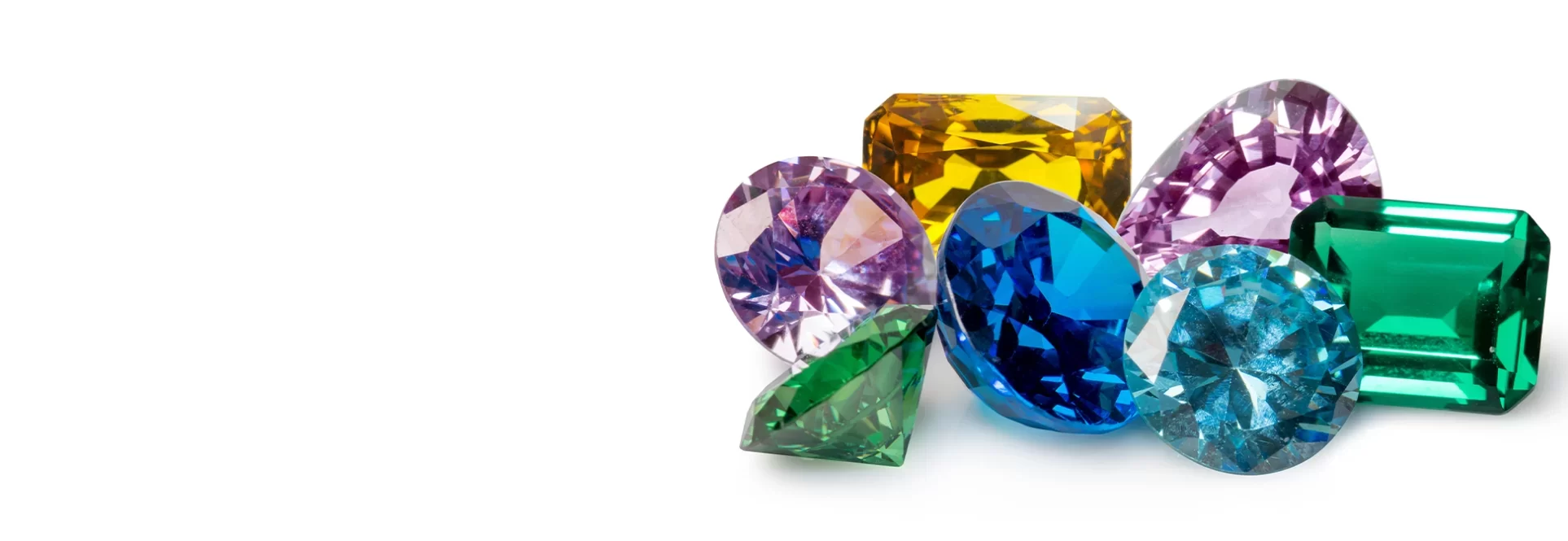
There’s a moment, when you hold a well-cut gemstone up to the light, where it seems to come alive. Colour shifts. Light moves. The stone almost breathes. That’s not magic… that’s the cut doing its job!
Of all the factors that determine how a piece of gemstone jewellery looks and lasts, cut is the most underappreciated. Most buyers focus on colour or carat weight. But two stones of identical size and colour can look worlds apart depending on how they’ve been shaped. It affects how the gem reflects light, how large it appears, how comfortable it feels to wear and even how valuable it becomes over time.
Understanding gemstone cuts doesn’t require a gemology degree. It just requires knowing what to look for. Here’s a guide to get you started.
What Does Gemstone Cut Actually Mean?
When people hear the word “cut”, they often think only of shape. But in gemstone cuts, the term refers to much more than whether a stone is oval or round.
A gemstone’s cut includes:
- Its overall shape
- The arrangement of facets
- The stone’s proportions and symmetry
- How effectively it reflects and handles light
A well-cut gemstone enhances the natural beauty of the stone, bringing out its depth, colour and brilliance. A poor cut, on the other hand, can make even a beautiful gemstone appear dull or uneven.
This is especially important in coloured gemstones, where the cut must balance both sparkle and colour intensity.
The Most Common Gemstone Cuts and What They Do
Different cuts create different visual effects and suit different styles of gemstone jewellery.
Round Cut
Classic and balanced, the round cut maximises brilliance and works beautifully in gemstone rings, studs and pendants meant for everyday elegance.
Oval Cut
Oval cuts create an elongated appearance, often making the stone appear larger than its actual size. They feel soft, graceful and contemporary in jewellery such as gemstone rings or stone earrings for women.
Emerald Cut
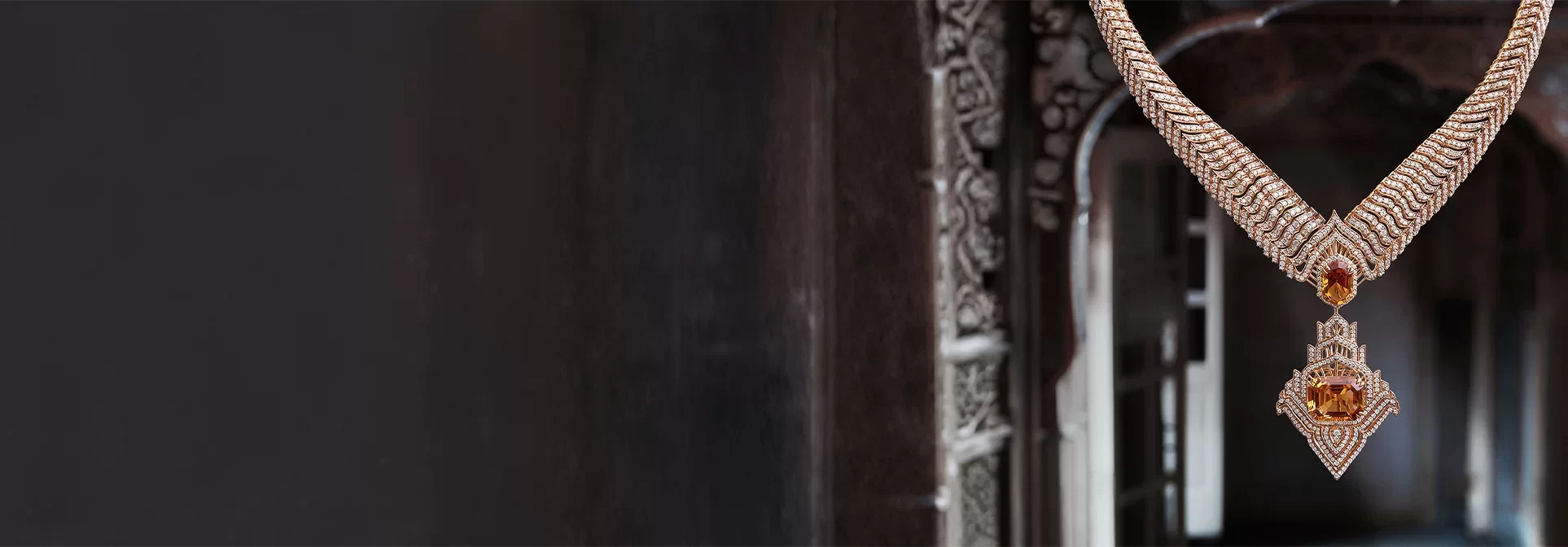
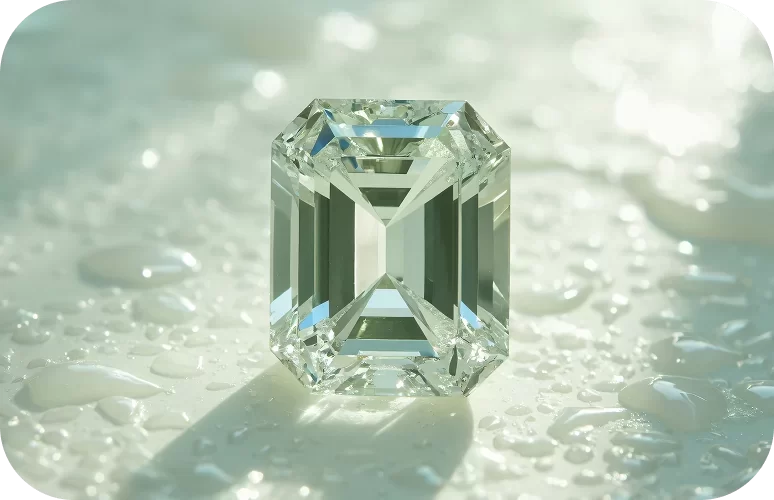
Known for its clean, step-like facets, the emerald cut highlights clarity and depth rather than sparkle. It lends an architectural feel to a gemstone necklace or cocktail ring.
Cushion Cut
With rounded edges and larger facets, cushion cuts feel soft and romantic with a rich colour depth, making them especially popular for statement gemstone jewellery.
Pear Cut
Elegant and directional, pear cuts create movement with their dramatic teardrop silhouette. They are often used in drop pendants and stone earrings for women.
Cabochon Cut
Unlike faceted stones, cabochons have a smooth, polished dome and no facets. Its name comes from the French word “caboche” meaning head. This cut is often used for opaque or richly coloured gemstones where texture and colour take centre stage, such as opal, moonstone or star sapphires.
How Cut Affects Brilliance and Light
The way a gemstone interacts with light depends heavily on its cut.
Faceted cuts are designed to reflect and refract light internally, creating brilliance and sparkle. Cuts with precise symmetry and proportion allow light to travel evenly through the gemstone, enhancing its visual appeal.
But unlike diamonds, many coloured gemstones are not cut purely for maximum sparkle. Instead, cutters often prioritise:
- Depth of colour
- Natural inclusions
- The stone’s unique character
For example, emeralds are often cut in step cuts to preserve their clarity and rich green tone, while sapphires may be cut to intensify colour saturation. The result is that each gemstone cut creates a different balance between colour and brilliance.
In a well-cut stone, light enters through the flat top surface (the table), reflects off the angled inner facets (the pavilion) and returns back up through the top to your eye. This is called total internal reflection and it’s what makes a stone look alive rather than glassy.
When the proportions are off, the effect breaks down in one of two ways. Cut the stone too shallow and light leaks straight out the bottom, making the gem look pale and washed out, a flaw called windowing. Cut it too deep and light gets trapped inside, creating a dark, lifeless patch in the centre known as extinction.
How Cut Affects Price
A well-cut gemstone:
- Uses the rough stone efficiently.
- Enhances colour and visual appeal.
- Requires greater craftsmanship and precision.
Cut influences price in two meaningful ways. The first is carat retention. Every facet a lapidary grinds away is weight and therefore, value, lost from the original rough stone.
The second factor is labour. More intricate or perfectly symmetrical cuts often command higher value because they involve greater expertise and material optimisation.
At Tanishq, each natural gemstone is carefully selected and sourced with expertise. The craftsmanship highlights its individual beauty.
How Cut Affects Wearability
Not all gemstone cuts are equally suited to everyday wear, and this is worth thinking about before you buy.
For everyday wear:
- Rounded cuts tend to be more durable.
- Sharp corners may require more protective settings.
- Lower-profile cuts are often easier to wear daily.
This is especially important in rings and bracelets, where gemstones experience more frequent contact. This doesn’t disqualify certain cuts; it just means the setting needs to compensate. A pear-cut stone, which is more vulnerable to chipping, should always have its point protected by a prong or enclosed in a bezel. Cabochons, by contrast, have no sharp edges or facet junctions and are among the most hardwearing forms of gemstone jewellery you can own.
At Tanishq, stone setting is always considered alongside the cut. The two work together to ensure a piece is as durable as it is beautiful.
Which Cut Works Best for Each Gemstone?
Different stones have different optical properties, hardness levels and cutting traditions. Here’s how the most popular coloured gemstones are typically approached:
- Ruby & Sapphire — Extremely hard and highly refractive. Round brilliant and oval cuts bring out maximum fire and colour. Cushion cuts are traditional for deeply saturated stones.
- Emerald — The emerald cut was essentially developed for this stone. Its large, open facets showcase colour while minimising cutting stress on a gem that is naturally prone to inclusions.
- Tanzanite — Strongly trichroic, meaning it shows different colours from different viewing angles. Oval and cushion cuts allow it to capture the most prized blue-violet face-up.
- Aquamarine — Pale, cool and exceptionally clear. Step cuts and emerald cuts amplify its glassy transparency beautifully.
- Opal & Moonstone — Always cabochon. The domed surface is what allows light to interact with the stone’s internal structure, revealing opal’s play-of-colour and moonstone’s ethereal glow.
- Tourmaline & Garnet — Highly versatile coloured gemstones. Brilliant cuts maximise their considerable fire; step cuts bring out their depth of colour.
Ultimately, the best cut is one that complements both the gemstone’s natural qualities and the style of jewellery it is meant for.
Conclusion
A gemstone’s cut does far more than define its shape. It influences how the stone reflects light, how its colour is experienced, how comfortably it can be worn, and how its beauty is perceived over time.
Essentially, the cut is where a stone stops being a mineral and starts being a jewel.
Understanding these details transforms the experience of buying gemstone jewellery from simply choosing by appearance to choosing with intention.
At Tanishq, with over three decades of gemstone expertise and craftspeople who understand both the art and the science of the cut, that transformation is never left to chance. Our collection, Hues, thoughtfully explores the various nuances of gemstones through finely crafted gemstone jewellery in 18kt gold.
Here, every stone is cut to celebrate its individuality, character and beauty. Because the most beautiful gemstone jewellery isn’t just about finding the right stone, it’s about knowing exactly how to reveal it.
Frequently Asked Questions
Oval, pear, and marquise cuts often appear larger because of their elongated shapes and larger visible surface area.
Not necessarily. The value depends on the gemstone itself, its rarity, colour and craftsmanship. Some gemstones are more valuable in cabochon form.
Yes, in some cases. A gemstone can be recut to improve symmetry or brilliance, but recutting always removes material, reducing carat weight.
Each gemstone has unique characteristics such as colour, clarity and crystal structure. Cuts are chosen to best highlight these natural qualities.