 GET THE APP



Ah, diamonds! The sparkling, timeless symbols of love, success and all-around glamour. But with all that sparkle comes a little mystery – like, what on earth does it mean when a diamond is graded? Diamond grades, diamond grading systems, and certifications can sound like a secret code – one that only gemologists and luxury jewellery insiders understand. But don’t worry; we’ve got you covered! Let’s decode the diamonds’ sparkling language and get you well on your way to understanding your precious purchase.
What is Diamond Grading?
Before we get into the glittery details, let’s take a moment to understand what is diamond grading? Simply put, diamond grading is the process of evaluating a diamond based on its quality. Think of it as a report card for your shiny new gem. Diamond grading takes into account the diamond grading scale, which measures diamond quality grades like the diamond’s brilliance, size and how “flawless” it is. The higher the grade, the more spectacular the diamond – and trust us, you’ll want to understand the lingo!
The 4 C’s Explained
Let’s break down the 4 Cs – the four critical factors that make up your diamond’s grade. These elements are the secret sauce behind every sparkly stone and knowing what they mean will help you choose wisely (and with style, of course).
Cut
First things first – cut is not the same as shape. Cut refers to how well the diamond has been shaped and faceted to reflect light. The better the cut, the more sparkle you get. Imagine you’re wearing a pair of natural diamond earring that catch the light just so, creating that stunning twinkle. That’s the magic of a well-cut diamond! A diamond can be a perfect shape, but if the cut isn’t up to the mark, it won’t shine like it should. A diamond with an excellent cut is the ultimate showstopper.
Color
The color grade of a diamond refers to the presence (or absence) of color in the stone. The less color, the higher the grade. The diamond grading color chart ranges from D (colorless) to Z (light yellow or brown). Colorless diamonds are the most coveted. When choosing a diamond, remember that minimal color can make all the difference in natural diamond necklace or earrings.
Clarity
Clarity is all about the “imperfections” in a diamond. These imperfections – called inclusions – can affect how a diamond reflects light. Different grades of diamonds have varying inclusion levels. Fewer inclusions mean rarer, more expensive stones. Like flawless natural diamond bracelets, perfect clarity ensures stunning beauty without distracting blemishes.
Carat Weight
Carat weight is all about size. The larger the diamond, the higher the carat weight, and usually, the higher the price tag. However, carat weight doesn’t necessarily correlate with overall beauty. A smaller diamond with perfect cut can dazzle more than a larger, poorly cut one. Balance all 4 C’s for best diamond quality grades.
How Diamond Grading Translates to Value & Pricing
Diamond grading is the foundation of a diamond’s value and pricing. The better the grade, the more expensive the diamond. But here’s the thing: knowing your diamond grading scale means you don’t have to splurge unnecessarily. You can find a diamond that fits your budget without compromising on beauty or quality.
It’s all about balance. Whether you’re eyeing a pair of traditional diamond earrings or a statement single diamond necklace, the goal is to find a piece that speaks to your taste, without emptying your bank account.
Other Considerations Beyond the 4 C’s
Polish, symmetry, and fluorescence affect appearance. Seller reputation ensures authentic diamond grading. Shape influences light reflection alongside diamond quality grades.
Understanding Diamond Grading Reports and Certifications
A diamond grading report is essentially the blueprint of your diamond. It lists every characteristic, from cut to carat weight to colour and everything in between.
Certification means the diamond has been assessed by a reputable gemological lab like the GIA (Gemological Institute of America) or AGS (American Gem Society), ensuring that its grade is legitimate.
So, when you see that certification, you can rest easy knowing your diamond’s quality has been assessed by experts.
The Role of Diamond Shape in Grading
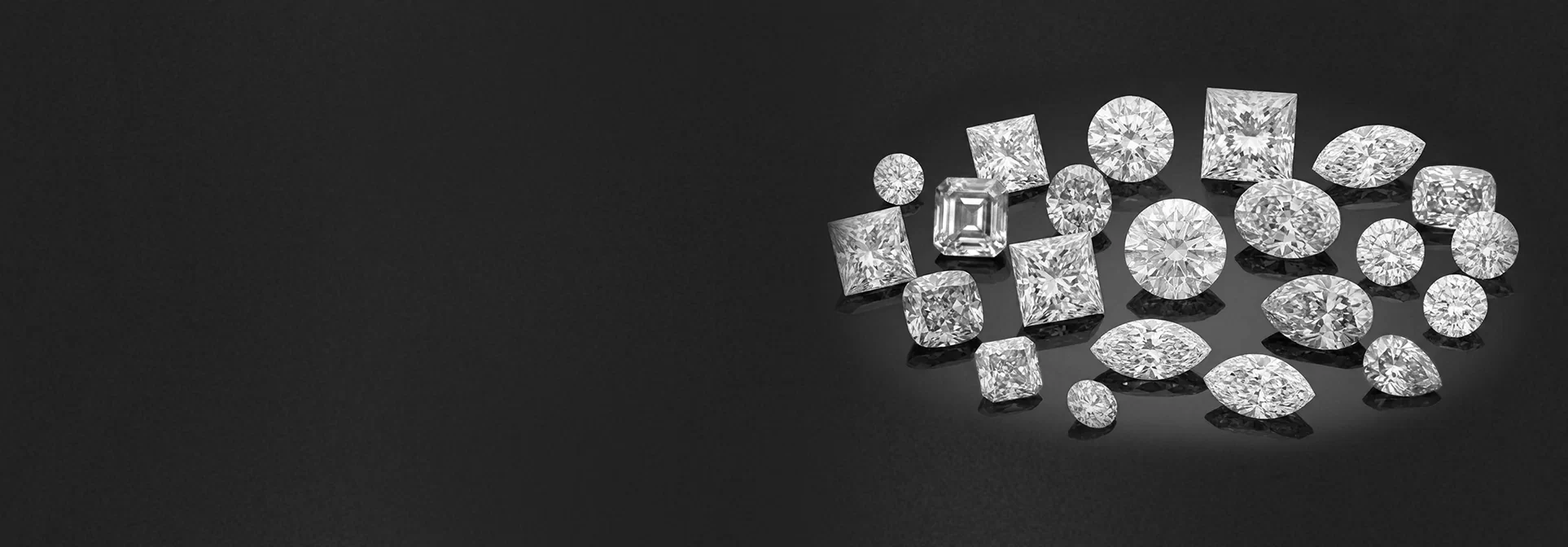
Now, let’s get a little more creative. While diamond shape doesn’t factor directly into the diamond grading system, it certainly impacts how your diamond looks and how much light it reflects. Round diamonds are the most popular and typically cost more, but shapes like princess, emerald and oval can be equally stunning – and sometimes, more affordable.
The shape gives your diamond personality! If you’re all about making a statement, opt for a more unique shape, like an emerald-cut stone set in a chic single diamond necklace.
Common Diamond Grading Myths and Misconceptions
Let’s clear up a few myths about diamond grading:
- Bigger is always better: Not necessarily. As mentioned, size isn’t everything. A smaller diamond with better grades might actually be more brilliant and worth your investment.
- You need the highest grade: Not at all. A diamond graded “Excellent” in cut, “G” in colour, and “VS1” in clarity will still be incredibly beautiful and much more affordable than an “ideal” grade across the board.
- You can’t buy diamonds online: False! With proper diamond grading certification, online shopping for diamonds has never been more secure or convenient.
How Diamond Grading Affects Your Investment?
A diamond is an investment, both emotionally and financially. The diamond grading system helps ensure that you’re investing in something that holds its value over time. Diamonds with higher grades (think exceptional cut, excellent clarity, and minimal colour) typically have greater resale value.
So, whether you’re buying traditional diamond earrings to wear every day or a single diamond necklace for a special occasion, rest assured that with the right grading, your diamond will continue to shine – both on your finger and as part of your collection.
Practical Tips for Buyers
- Focus on cut and clarity for everyday brilliance.
- Always verify diamond grading certificate authenticity.
Conclusion
And there you have it! Armed with knowledge of diamond grades, you’re now ready to make an informed purchase that’s as beautiful as it is intelligent. Because diamonds may be forever, but so is the knowledge you gain today. Shine on, you gorgeous thing!