 GET THE APP


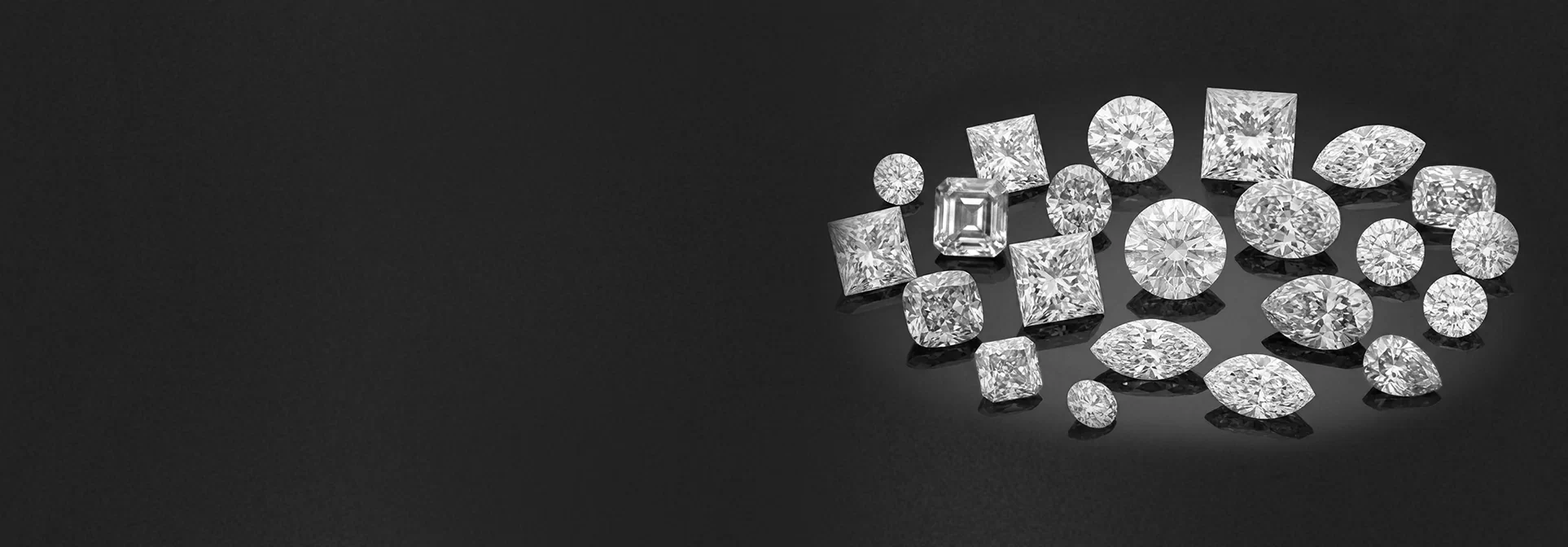
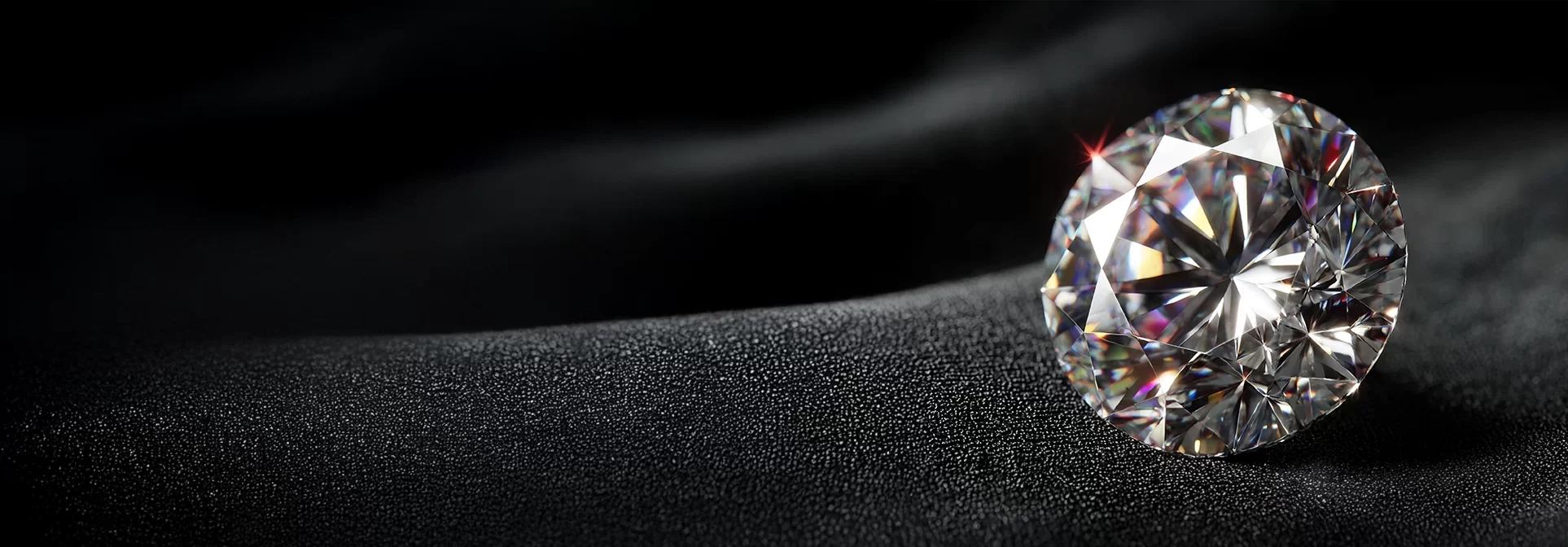
A brilliant cut diamond is designed with one goal: to maximise sparkle. It uses a very specific arrangement of many small facets so light enters, bounces around inside the stone and returns to your eye as intense brilliance, fire and scintillation. Known for its precise faceting and symmetry, this diamond cut remains the most popular choice for engagement rings, earrings and everyday diamond jewellery, because nothing catches light quite like it.
History & Evolution of the Brilliant Cut
The journey of the brilliant cut diamond is rooted in science as much as romance. Early diamond cuts focused on preserving weight, but as gemology evolved, cutters began prioritising light performance. This diamond cut evolved over centuries, as cutters experimented with facet patterns and proportions to get more light out of each stone.
In the early 20th century, Marcel Tolkowsky used mathematics and optics to define “ideal” angles and facet ratios for the modern round brilliant diamond, creating the blueprint that still guides cutting today. This breakthrough transformed diamonds from beautiful stones into luminous icons.
Advances in precision machinery and computer modelling have since refined those proportions, but the core concept of sacrificing rough weight to optimise beauty remains central. Today, the round brilliant diamond remains the benchmark against which all other cuts are measured.
Brilliant-Cut Diamond — Facets, Shape & Light Performance
Technically, a “brilliant cut” is a faceting style, not just a shape. A standard round brilliant diamond has 57 or 58 facets: 33 on the crown (top) and 24 or 25 on the pavilion (bottom), depending on whether there is a tiny culet facet. Those facets are arranged like two pyramids base‑to‑base, forming a cone that channels light back out through the top for maximum brightness and sparkle.
In practice, that geometry gives you:
- Strong brightness (white light return)
- Fire (flashes of spectral colour)
- Scintillation (sparkle as the stone or viewer moves)
This cut is engineered so light enters the diamond, reflects internally and returns upward, creating that unmistakable sparkle seen in everything from a diamond cut ring to elegant earrings.
Tanishq Tip:
A well-cut diamond can appear brighter and even larger than a higher-carat stone with poor proportions. Cut quality matters more than most people realise.
Variations: Round Brilliant vs. Modified Brilliant Cuts & Other Cut Types
- Round brilliant cut diamond / round brilliant diamond
The purest expression of the brilliant style, with 57–58 facets radiating from a central point. Roughly three‑quarters of diamonds sold are round brilliants because they deliver the most consistent sparkle.
- Modified brilliant cuts
Many “fancy” shapes use a brilliant-style facet pattern adapted to different outlines: oval, pear, marquise, heart, some cushions and radiant cuts. These keep the radiating facet layout of a brilliant but stretch or tweak it to suit the shape, giving more fire and scintillation than step‑cut styles.
- Step cuts (e.g., Emerald, Asscher)
These use long, parallel facets that emphasise clarity and glassy reflections rather than intense sparkle. Compared with a brilliant cut diamond, they show fewer but broader flashes of light.
Why Brilliant-Cut Diamonds Are Popular
The popularity of the brilliant cut diamond comes down to versatility and visual impact.
- Maximum sparkle per carat: When well‑proportioned, they return more light than other cut styles of similar size, especially in rounds.
- Versatility: A round brilliant cut diamond ring suits nearly every finger shape, setting style and metal.
- Forgiving on clarity and colour: The facet pattern hides minor inclusions and can make near‑colourless stones face up whiter than step cuts.
- Iconic status: From classic solitaires to pavé halos, the round brilliant cut diamond is the cultural default for engagement and bridal jewellery.
It’s a cut that doesn’t follow trends, it defines them.
How to Evaluate a Brilliant-Cut Diamond — What to Look For
When choosing a brilliant cut diamond, focus on:
- Cut grade: Aim for Excellent / Ideal (or Very Good at minimum) for strong light performance.
- Proportions: Table %, depth %, crown and pavilion angles all work together; extremes (too shallow or too deep) leak light and dull the stone.
- Symmetry & polish: Poor symmetry misdirects light; poor polish leaves facet surfaces slightly hazy. Both reduce sparkle.
- Face‑up appearance: Look for even brightness, no obvious dark “window” in the centre, and lively sparkle across the whole stone.
Tanishq Tip:
Transparent grading and detailed certification ensure you’re paying for light performance, not just carat weight.
Recommendations — When Brilliant Cut Is Best
Choose a brilliant cut diamond if you want:
- You want maximum sparkle in a diamond cut engagement ring or classic stud.
- You plan to wear the piece daily and want something that looks lively even in low or diffused lighting.
- You prefer a versatile stone that pairs well with halos, pavé bands and almost any metal colour.
- You’re open to “fancy” shapes but still want a bright, lively look; oval, pear, marquise and many cushions use modified brilliant facet patterns.
This cut works seamlessly across rings, pendants and even a diamond cut earring for daily elegance.
Brilliant Diamond Cut Engagement Rings
A diamond cut engagement ring featuring a brilliant cut remains the most symbolic choice worldwide. Its symmetry represents balance, while its brilliance symbolises clarity and commitment.
Popular executions include:
- Classic solitaire: One round brilliant cut diamond on a plain band; the stone is the hero.
- Halo designs: A central brilliant cut encircled by smaller stones to visually enlarge the centre.
- Side‑stone rings: Round brilliants flanked by tapered baguettes or smaller brilliants for extra sparkle.
Conclusion
The brilliant cut diamond isn’t just a popular choice, it’s the gold standard of sparkle. Designed to amplify light, emotion and longevity, this cut continues to define what people imagine when they think of a perfect diamond. If timeless brilliance is what you’re after, the answer has always been clear.
Frequently Asked Questions
A brilliant cut diamond is a diamond shaped and faceted to maximise sparkle and light reflection, most commonly seen in round diamonds.
For sparkle and fire, yes. The round brilliant cut diamond reflects more light than most other cuts.
They can be priced slightly higher due to demand and precision cutting, but their light performance often makes them better value visually.
Absolutely. The structure of a diamond cut ring with a brilliant cut is durable and ideal for everyday jewellery.
Look for an Excellent or Very Good cut grade and check symmetry, polish and proportions.
Yes. Diamond cut earrings with brilliant-cut stones offer exceptional sparkle even in smaller sizes.
The brilliant cut doesn’t follow trends, it transcends them. It remains a classic year after year.