 GET THE APP



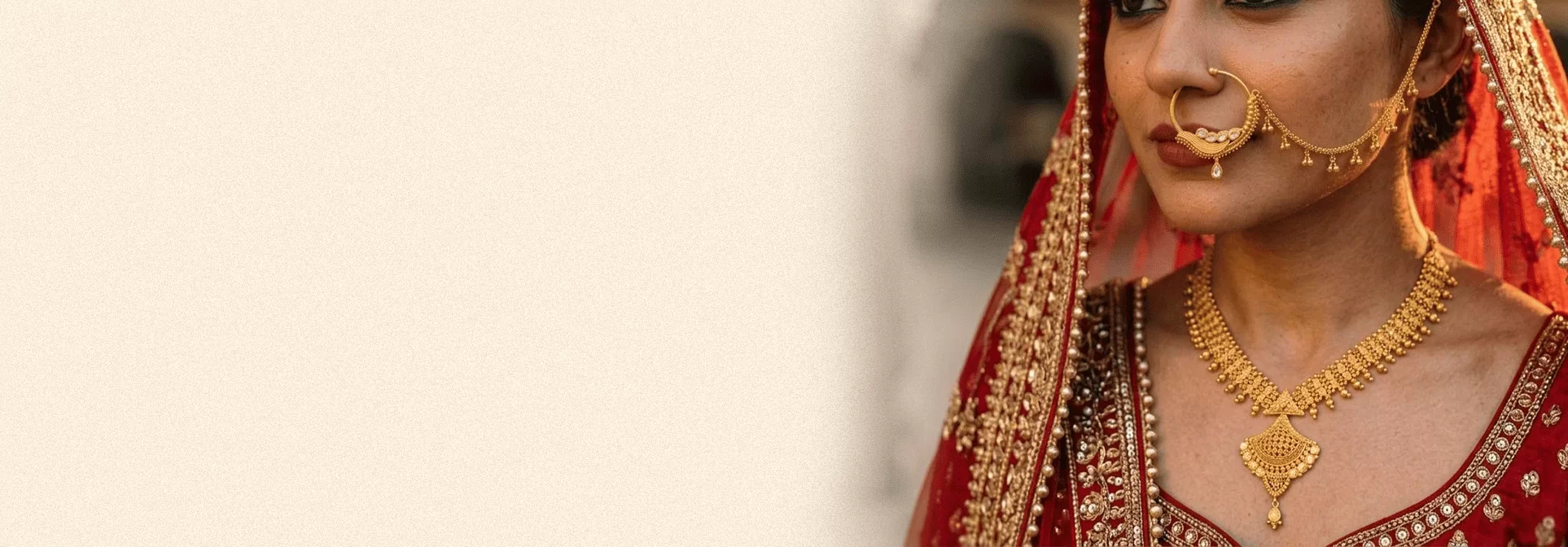
A bridal look comes together through many choices: the outfit, the jewellery, the way it is styled & the traditions that shape the celebration. Across India, these choices take different forms. This gives each bridal tradition its own distinctive character.
Jewellery is an important part of that expression. It reflects regional craftsmanship & cultural traditions, while giving today’s bride the freedom to interpret them in her own way.
From the Kundan and Polki of Rajasthan to the layered gold of Maharashtra, the temple-inspired forms of South India & the colour & craftsmanship of Gujarat, each bridal world has its own jewellery vocabulary. These forms carry regional traditions & symbolism, while continuing to evolve with the modern bride.
Today’s bride is also approaching these traditions differently, selecting pieces across ceremonies and celebrations and bringing contemporary silhouettes, lighter layers & new combinations into the trousseau. Here is a closer look at some of the distinctive bridal jewellery traditions that continue to shape the Indian wedding.
The Rajasthani Bride: Adorned in Kundan, Polki and Royal Grandeur
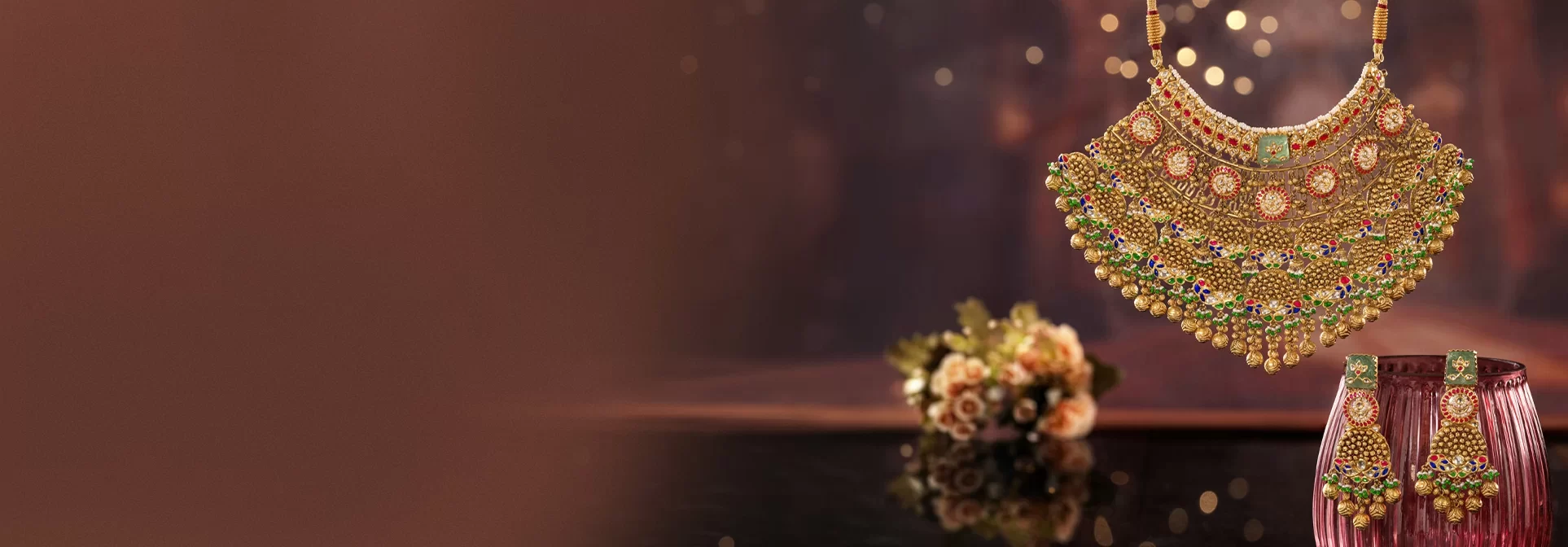
For the Rajasthani bride, jewellery is part of the grandeur. Think of this look with regal silhouettes, intricate craftsmanship & unmistakable pieces such as the Borla, Tevta, Aad and Panchlada.
A contemporary Rajasthani trousseau reimagines the traditional Sheeshphool through a Borla-inspired design, while the sculptural Hasli features a hanging Borla-inspired pendant. The long Haram takes inspiration from the Tevta, interpreted in luminous white Kundan Polki.
For a bride who loves drama, the Aad brings cascading jhalars, Chandbali-inspired motifs and emerald accents, while the layered Panchlada-inspired Haar incorporates Polki links and a statement stone-inlay medallion. A Kundan Baajuband, Nath, Pacheli bangle & HathPhool complete the royal expression.
Together, these pieces create a rich expression of Rajasthani bridal jewellery, bringing together the scale, craftsmanship and layered detail associated with the tradition.
The Metro Bride: Redefining Tradition with Contemporary Jewellery
The modern Metro bride does not necessarily choose between tradition and individuality. She brings the two together through pieces that feel rooted in Indian craft while reflecting her personal style.
For a traditional-meets-contemporary look:
- A braided pearl Choker paired with a Guluband inspired by the auspicious Kalash, featuring coconut and mango leaves, lotus motifs and painted enamel.
- A layered Haram with playful pink coconut-inspired motifs and fresh blue stone strings, set against luminous white Kundan Polki.
For a more expressive Meenakari look:
- A round Tilak-inspired choker with colourful enamel detailing.
- A deep-blue Guluband with blooming lotuses and peacock-inspired units.
- An enamel Haram that pairs beautifully with muted or pastel bridal ensembles.
For cocktail celebrations, the modern bride can move away from conventional symmetry with a floral necklace crafted in Plique-à-jour, creating an asymmetrical cascade of translucent pink blooms, foliage and subtle Polki accents.
The result is a modern bridal jewellery set that feels polished, personal and distinctly of its time – without losing its connection to Indian craft.
The Telugu Bride: Lavish Gold and Temple-Inspired Elements
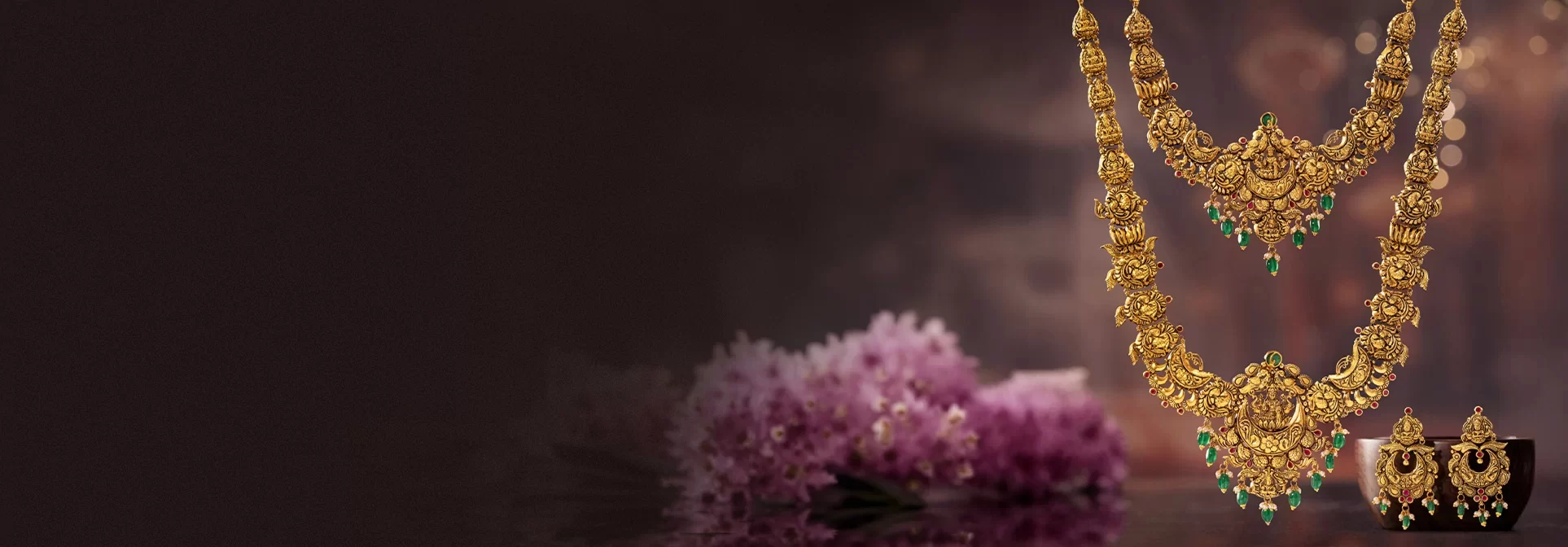
For the Telugu bride, jewellery is an expression of tradition, prosperity & celebration. Rich gold pieces complement the grandeur of the bridal saree. This creates a look that feels regal yet deeply rooted in South Indian heritage.
The jewellery takes on special significance during ceremonies such as Mangala Snanam and Jeelakarra Bellam at Muhurtham. This is where every detail reflects the auspiciousness of the occasion. For the bride who loves timeless gold & ceremonial grandeur, Telugu bridal jewellery brings together beauty, tradition & the promise of a new beginning.
Tanishq Tip:
For Jeelakarra Bellam at Muhurtham, choose richer, layered gold pieces to complement the ceremonial grandeur. For Mangala Snanam, keep the jewellery lighter so the look stays comfortable and effortless.
The Maharashtrian Bride: Personality Plus Layered Gold
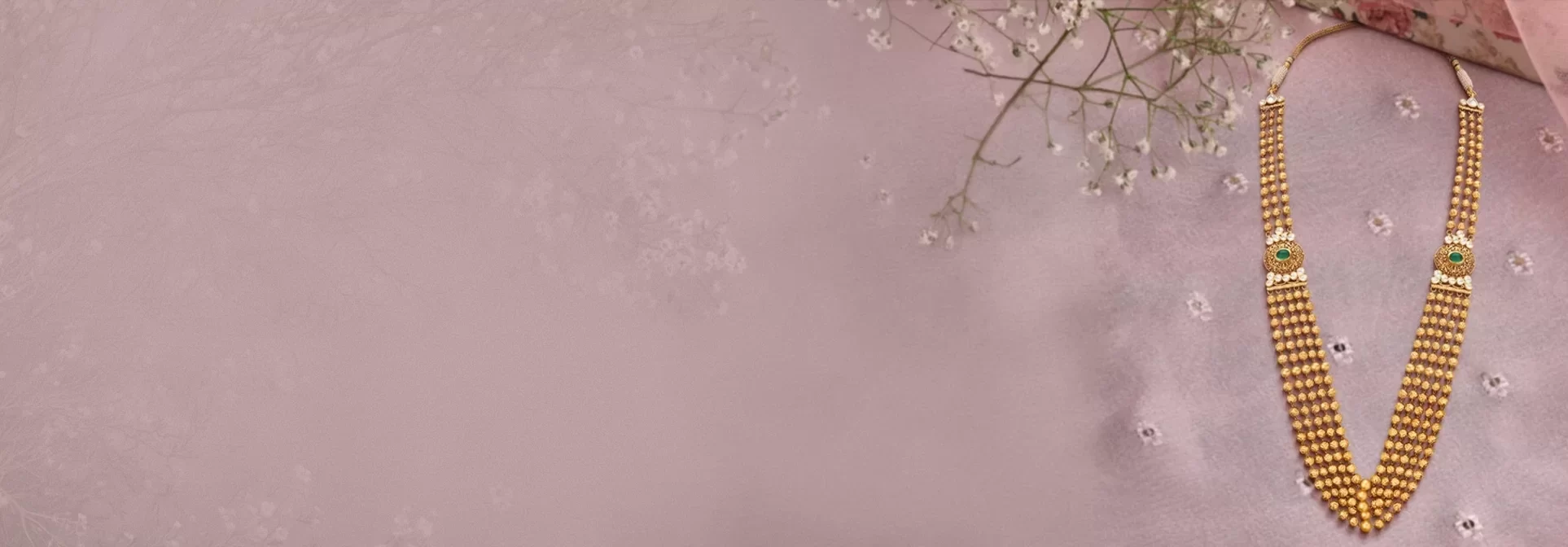
There is something instantly recognisable about a Maharashtrian bridal look. The jewellery frames the face, builds beautifully around the neckline and creates a sense of abundance through layer after layer of gold.
Key pieces that define the look:
- Chinchpeti: Anchors the neckline with its distinctive traditional character.
- Thushi: Brings its closely packed gold beads to the layered look.
- Tanmaniya & Kolhapuri Saaj: Add a meaningful expression of marital identity, regional character and movement.
- Baajuband: Adds a regal touch to the arms, bringing another layer of traditional Maharashtrian character to the bridal look.
- Nath, Jooda Pin & Ear Cuff: From the pearl-accented Nath to hair and ear adornments, these details complete the look with a contemporary touch.
The Tamil Bride: A Story in Kanjeevaram and Gold
For the Tamil bride, the wedding look is deeply tied to the timeless beauty of Kanjeevaram silk and traditional gold jewellery. From the intimate elegance of the mehndi and reception to the rituals that define the wedding, jewellery becomes an essential part of each celebration.
That connection to tradition is especially beautiful during Nalangu, where the mood is more playful and intimate and Kashi Yatra, one of the most recognisable Tamil wedding rituals. Traditionally, the groom symbolically sets out for Kashi with an umbrella, but in this playful interpretation, the bride takes charge and holds the Kashi umbrella – bringing personality and a modern spirit to a cherished custom.
The Gujarati Bride: Colourful, Layered and Detailed
The Gujarati bridal look has a wonderful sense of movement. Gold is important, but so are colour, craftsmanship and the little details that make every layer feel alive.
A contemporary Gujarati trousseau brings together Heera Ganthan and the Chandan Haar, with peacocks, parrots and Dodi amulets carrying stories of grace, love, family bonds, protection and prosperity. Traditional techniques such as ras-rava, taar-veni and kitkit add texture and a handcrafted character.
For a lighter expression, solid gold pattas can give way to chai patti pearls and green beads. A tabeez-like amulet, Chandrak Phool motifs and playful desi ghughri hangings add personality, while a four-lada necklace incorporates Keri motifs and green pattas linked through traditional Gujarati pipes.
The bangle story is equally distinctive, with Patla, Choodla, Sutarla and Gokhru/Gajra bangles bringing together symbolism, texture and movement.
For today’s bride, a modern bridal jewellery set can retain this unmistakable Gujarati spirit while feeling lighter, more versatile and expressive.
Tanishq Tip:
Choose your necklace layers based on your blouse neckline. A choker or Guluband works well with a deeper neckline, while a long four-lada necklace balances a higher neckline or heavily embroidered blouse.
Conclusion
There is no single way to define the Indian bridal look. Each regional tradition brings its own jewellery vocabulary, craftsmanship and cultural character.
The right jewellery is the jewellery that makes you recognise yourself when you look in the mirror. Whether you choose heirloom-inspired pieces or a contemporary interpretation of tradition, let your bridal jewellery reflect the woman you are, the traditions you cherish and the new chapter you are about to begin.
The traditions may remain familiar, but the way each bride brings them together can be entirely her own.

Frequently Asked Questions
Start with your outfit, regional traditions and personal style, then consider the neckline, colours and amount of layering you prefer.
Yes, traditional motifs can be refreshed through lighter layers, modern proportions, colour, pearls and modular designs.
Choose pieces that balance bridal grandeur with versatility and can be styled beyond the wedding day.
Not necessarily; complementary colours, motifs and craftsmanship can create a more cohesive and personal look.