 GET THE APP


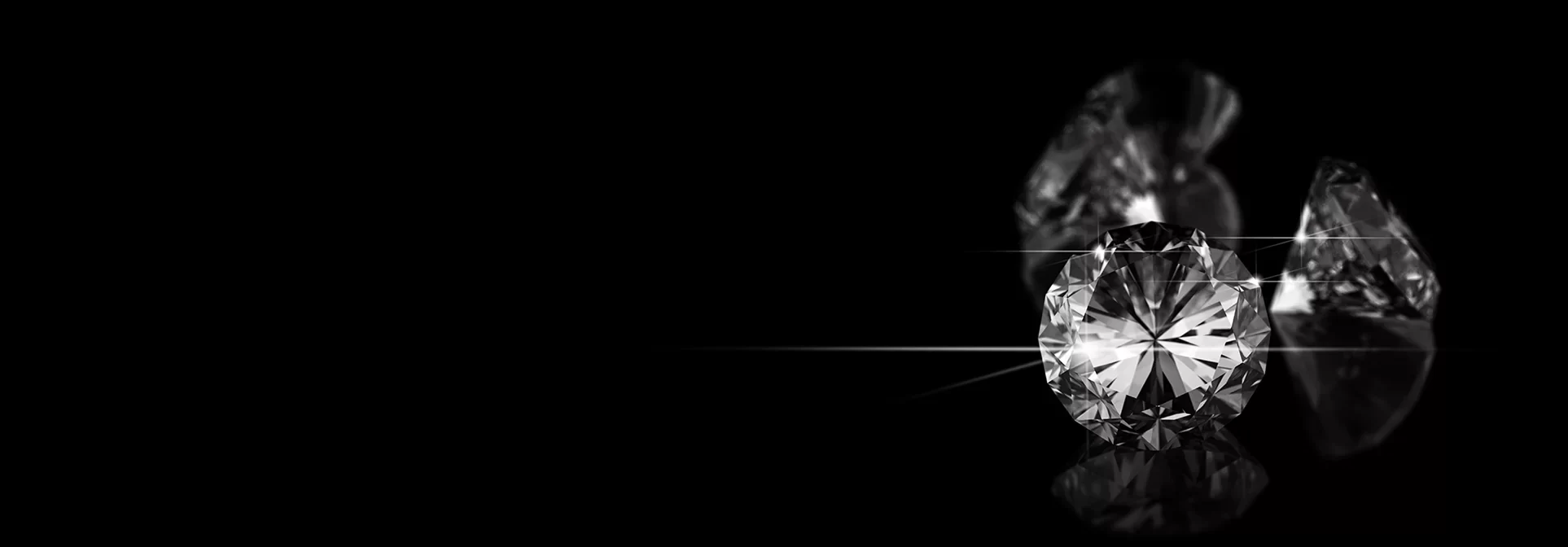
At its simplest, diamond quality refers to how well a diamond balances beauty, rarity and value. It determines 80%+ of a diamond’s price and appearance, dictating not only how a diamond sparkles, but also how it retains its value over time. While carat gets attention, diamond quality and price hinges on the 4Cs (cut, colour, clarity, carat) plus critical secondary factors like proportions, polish and fluorescence. From everyday diamond stud earring designs to once-in-a-lifetime jewellery investments, understanding diamond quality helps you choose a stone that looks exceptional and feels reassuringly valuable.
The 4Cs of Diamond Quality
The globally accepted way to understand diamond quality grades is through the 4Cs, each influencing appearance and diamond quality price distinctly.
Cut
Cut is the most important contributor to brilliance. A well-cut diamond reflects light efficiently, making even a smaller stone appear lively and radiant. Many experts agree that cut matters more than size when judging the best diamond quality.
Colour
Diamond colour grades range from colourless to noticeable warmth. Stones said to have diamond quality EF VVS or HI diamond quality fall closer to the colourless spectrum, offering exceptional brightness.
Clarity
Clarity measures internal inclusions and surface marks. Grades like a VVS quality diamond indicate extremely minor inclusions, often invisible to the naked eye. Stones with an SI IJ diamond quality may have visible inclusions, but can still look beautiful when chosen carefully.
Carat Weight
Carat measures weight, not visual size. Two diamonds of the same carat can look very different depending on cut and proportions, which is why carat alone doesn’t define the highest quality diamond.
To summarise,
Cut (50-60% of value): Determines sparkle. Excellent/Very Good > Good > Fair/Poor.
Colour (D-Z scale): D-F (colourless), G-J (H quality diamond hits the sweet spot), K-M (faint).
Clarity (FL-I3): VVS quality diamond (microscopic), VS (eye-clean), SI IJ diamond quality (visible inclusions).
Carat: Weight (1ct = 0.2g). 1 carat natural diamond price varies wildly by the other 3Cs.
Additional Factors That Influence Diamond Quality
Beyond the 4Cs, several subtler elements influence how a diamond performs visually.
Diamond Shape
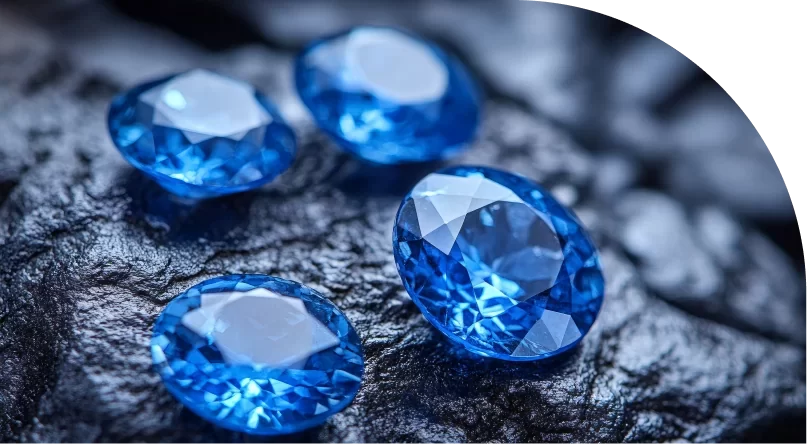
Round, oval, cushion or emerald, whatever may be the shape, it affects light performance and perceived size. Some shapes naturally emphasise brilliance, while others highlight clarity.
- Heart/Pear: Romantic spread
- Round brilliant: Maximum sparkle
- Princess/Emerald: Modern geometry
Proportions and Symmetry
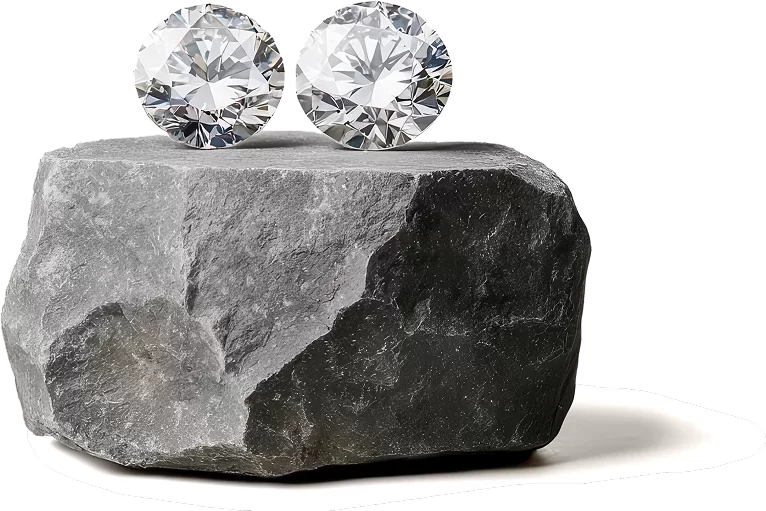
Well-balanced proportions ensure light enters and exits the stone evenly. Poor symmetry can dull sparkle, even in higher-grade diamonds.
- Proportions: Table/depth % ratios creating optimal light return.
- Symmetry: Facet alignment (Excellent > Very Good).
Polish and Finish
Polish impacts surface smoothness. A finely polished and finished diamond enhances brilliance and contributes to a more refined look.
- Finish: Overall craftsmanship affecting durability.
- Polish: Surface smoothness (Excellent preserves brilliance).
Fluorescence
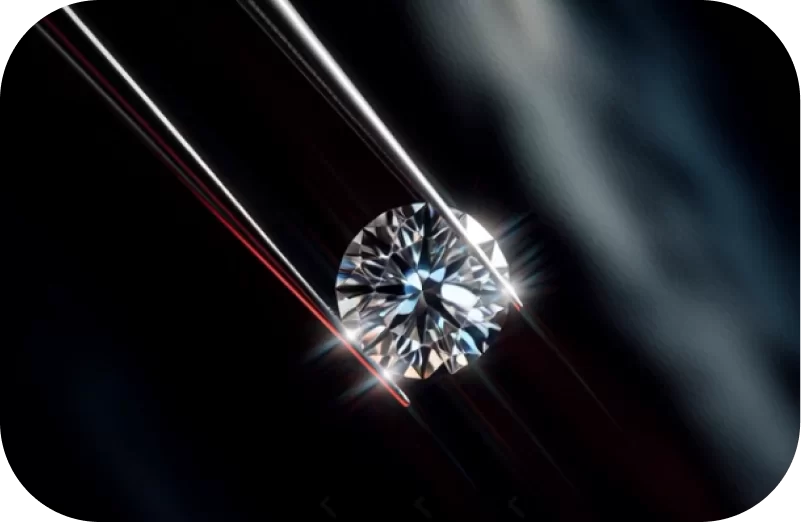
Fluorescence refers to how a diamond reacts under UV light. In most everyday settings, it has little effect, but it can influence value perception.
- Strong: May appear milky (avoid).
- None/Faint: Cleanest appearance.
- Medium blue: Enhances faint colour.
How Diamond Quality Is Graded
Diamond quality types are graded through detailed evaluation of the 4Cs and finishing factors. At Tanishq, a diamond assessment is supported by extensive internal purity checks and transparent documentation, ensuring clarity in what you’re buying and why it’s priced the way it is.
How Diamond Quality Affects Price
Higher rarity, precision cutting and superior clarity increase the diamond quality price. For instance:
- A VVS quality diamond commands a premium due to its rarity.
- A good quality diamond with balanced Cs can offer excellent value.
- Visual performance often matters more than top-tier grades.
- Cut grade alone creates 3x price difference between identical carat/colour/clarity.
Understanding this balance helps buyers avoid overpaying for specs that don’t enhance appearance.
Choosing the Right Diamond Quality for Your Needs
Not every occasion demands the highest quality diamond.
- Everyday wear: opt for a strong cut with moderate clarity.
- Investment pieces: prioritise rarity and long-term stability.
- Earrings or studs: clarity can be slightly lower without visible impact.
The goal is alignment between use, aesthetics and budget.
Diamond Quality vs. Diamond Appearance
High-grade diamonds don’t always look better to the naked eye. A well-cut SI IJ diamond quality stone can appear more brilliant than a poorly cut higher-grade diamond. Appearance is about harmony, not hierarchy.
Common Myths About Diamond Quality
- Bigger always means better.
=> It does not. A poorly cut bigger diamond may appear dull next to a well-cut smaller diamond. - Highest clarity is always necessary.
=> Not necessary. Most inclusions are invisible to the naked eye and even if they are visible, some stones could still appear aesthetically appealing. - Colourless diamonds are the only premium option.
=> A faint blue tinge can often enhance the colour of a diamond in certain settings. - Diamond quality can be judged without documentation.
=> Documentation provides tangible proof of your diamond’s quality and authenticity.
Tips for Buying a High-Quality Diamond
- Prioritise cut over size.
- Choose clarity that’s eye-clean, not just lab-perfect.
- Understand colour differences once set in jewellery.
- Buy from a brand that offers transparent grading and trust-led assurance.
Tanishq Tip:
Focus on how a diamond looks in real life, not just on paper. A well-balanced diamond often delivers better beauty and value than chasing extreme grades.
Conclusion
Understanding diamond quality allows you to look beyond labels and choose with confidence. Whether you’re selecting a timeless ring, elegant studs or a meaningful gift, the right diamond isn’t about chasing extremes. It’s about balance, beauty and trust. With thoughtful evaluation and transparent guidance, diamond quality becomes not just a metric, but a meaningful choice that lasts.
Frequently Asked Questions
Cut has the greatest impact on brilliance and sparkle, making it the most critical factor. It determines 50-60% of sparkle and price. Excellent cut G-VS2 > Poor cut D-VVS1 every time.
Yes. Differences in cut, colour, clarity and proportions can significantly affect quality and value. Thus, diamond quality grades vary widely within the same carat.
Look for a balance of strong cut, pleasing colour, eye-clean clarity and transparent certification from a trusted brand.