 GET THE APP




Gold has been cherished for generations for its timeless beauty, enduring value and cultural significance. Whether you are choosing gold jewellery for a wedding, a festive occasion or everyday wear, understanding gold purity is an important step in finding a piece that complements your preferences and the occasion.
If you want to find the right balance between purity, durability, appearance, and cost then you should understand the differences between 14K, 18K, 22K, and 24K gold. Since when you are comparing 14k vs 18k vs 22k vs 24k gold each type has its own characteristics suited to different requirements. The following guide will assist you in deciding which gold purity is most appropriate for your way of life and preferences.
Understanding Gold Purity and Karat
The purity of gold in an alloy is indicated by the term “karat” (which is abbreviated as “K” or “kt”). Pure gold is divided into 24 parts, so 24K means 100% pure gold. Since pure gold is soft by nature, easy to shape and likely to be scratched, experienced jewelers combine it with other metals such as copper, silver, zinc, and nickel in order to increase its strength, durability and provide a range of colours.
When comparing 18 carat vs 22 carat gold or 22k vs 24k gold, the karat number directly indicates the percentage of pure gold contained within the metal:
- 24K Gold: 24 karat gold consists of 24 parts of pure gold out of 24 (equivalent to 99.9% purity).
- 22K Gold: 22K gold consists of 22 parts of pure gold combined with 2 parts of an alloy (making it 91.6% pure).
- 18K Gold: 18K gold consists of 18 parts of pure gold combined with 6 parts of an alloy (making it 75.0% pure).
- 14K Gold: 14K gold consists of 14 parts of pure gold combined with 10 parts of an alloy (making it 58.3% pure).
14K vs. 18K vs. 22K vs. 24K Gold: Key Differences
To better understand how these purities compare, here is a detailed breakdown of their key features:
Feature |
14K Gold |
18K Gold |
22K Gold |
24K Gold |
|---|---|---|---|---|
|
Gold Purity |
58.3% Pure Gold |
75.0% Pure Gold |
91.6% Pure Gold |
99.9% Pure Gold |
|
Hallmark Marking |
14K or 585 |
18K or 750 |
22K or 916 |
24K or 999 |
|
Durability Level |
Extremely High |
High |
Moderate |
Soft / Low |
|
Color Intensity |
Subtle, Light Yellow |
Warm, Rich Yellow |
Deep, Vibrant Yellow |
Bright Intense Yellow-Gold |
|
Best Used For |
Daily active wear, sports rings |
Fine diamond/gemstone jewellery |
Traditional festive/bridal wear |
Gold coins, bullion bars |
|
Affordability |
Most Budget-Friendly |
Balanced Premium |
High Value |
Highest Cost per Gram |
14K Gold Jewellery – Durable and Affordable
14K gold consists of 58.3 per cent pure gold and 41.7 per cent alloy metals and has excellent resistance to wear and tear; when comparing 14k vs 18k gold or comparing 14K vs 24K gold, it is found to offer the greatest hardness.
- Pros: It is highly scratch-resistant, durable, and budget friendly.
- Cons: It has a less intense yellow hue when compared to higher karat golds; it contains a greater proportion of non-gold metals.
- Ideal For: People who are active, owners of engagement rings, those who wear bracelets every day, and customers who are working with a limited budget and want pieces that last.
18K Gold Jewellery – A Balance of Purity and Durability
18 carat jewellery, which contains 75% pure gold, achieves an ideal balance between rich colour and structural strength and is still the worldwide standard for luxury and fine gemstone setting.
- Pros: It has a beautiful warm yellow colour, is very secure when it comes to holding valuable diamonds, and is hypoallergenic for most skin types.
- Cons: It is more expensive than 14K gold and is slightly more likely to suffer minor scratches than gold of a lower karat.
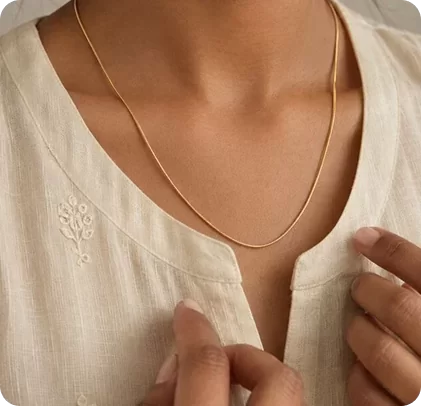
- Ideal For: Best for diamond engagement rings, fine necklaces, luxury watches, and modern designer accessories.
22K Gold Jewellery – Traditional and High-Purity
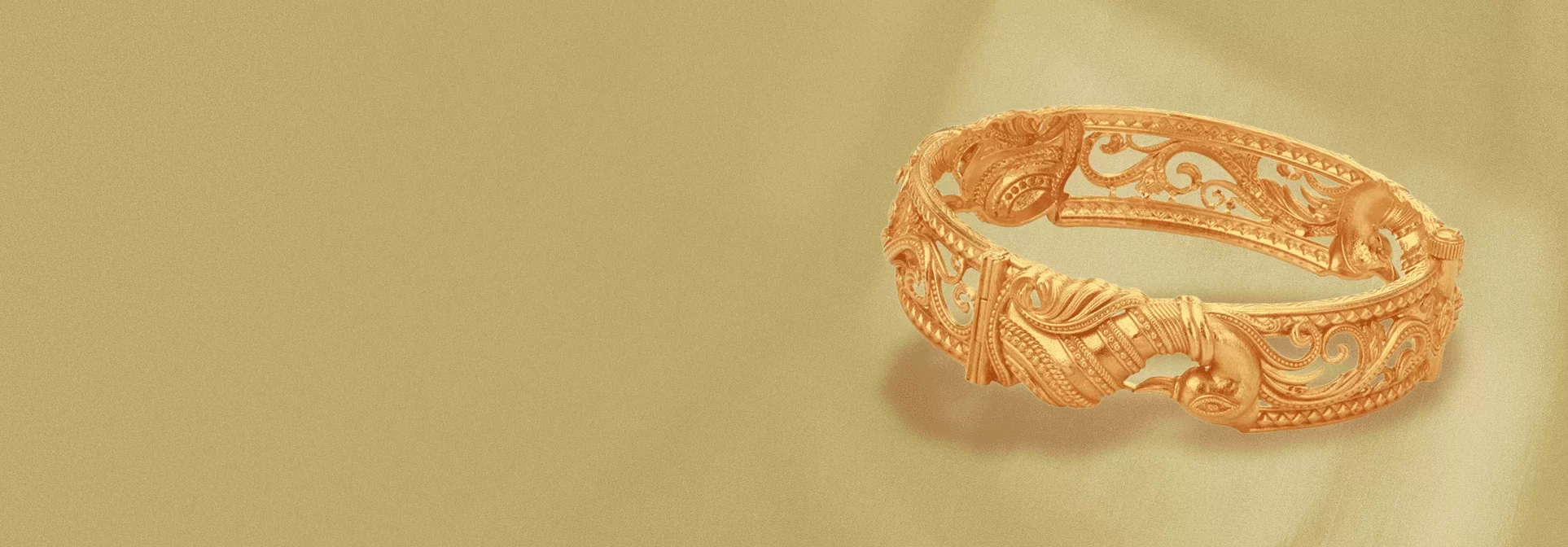
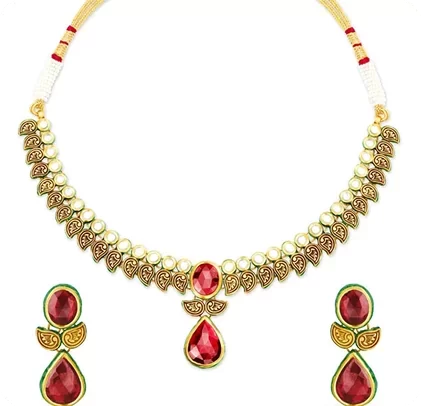
22K gold, which has a purity of 91.6% (typically indicated as 916 hallmarked gold), is highly respected in Indian culture and has a rich, warm golden sheen that causes traditional jewellery to stand out.
- Pros: It is very valuable, has a rich yellow colour, possesses traditional cultural appeal, and still holds a high trade-in value.
- Cons: It is softer than 18K or 14K gold and therefore not suitable for holding heavy diamonds or for use in intricate prong settings.
- Ideal For: Bridal sets, Kundan/Polki traditional jewellery, solid bangles, chains, and dressing for festive occasions.
24K Gold – The Purest Form of Gold
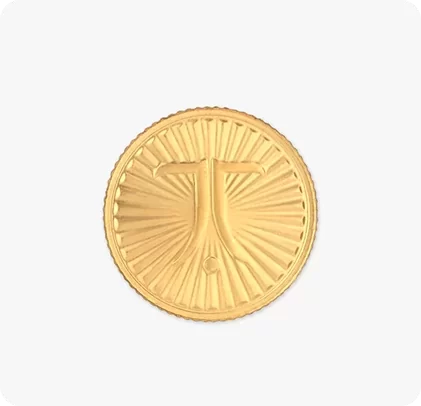
24K gold, which has a purity of 99.9 per cent, is the most pure form of physical gold available and has a distinct, strong yellow sheen that reflects unmatched beauty.
- Pros: It is of maximum purity, contains no impurities from alloys, and is ideal both as a store of wealth and as an investment.
- Cons: It is extremely soft and malleable and deforms easily, which is why it is not suitable for use in complex wearable jewellery.
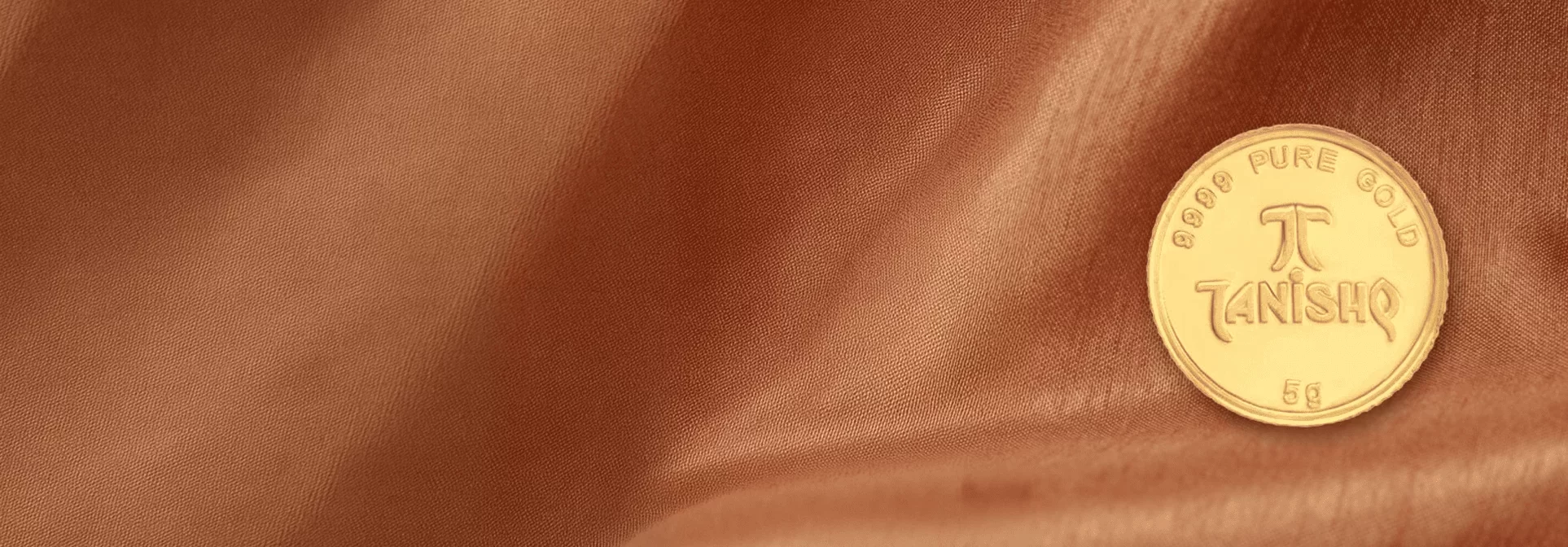
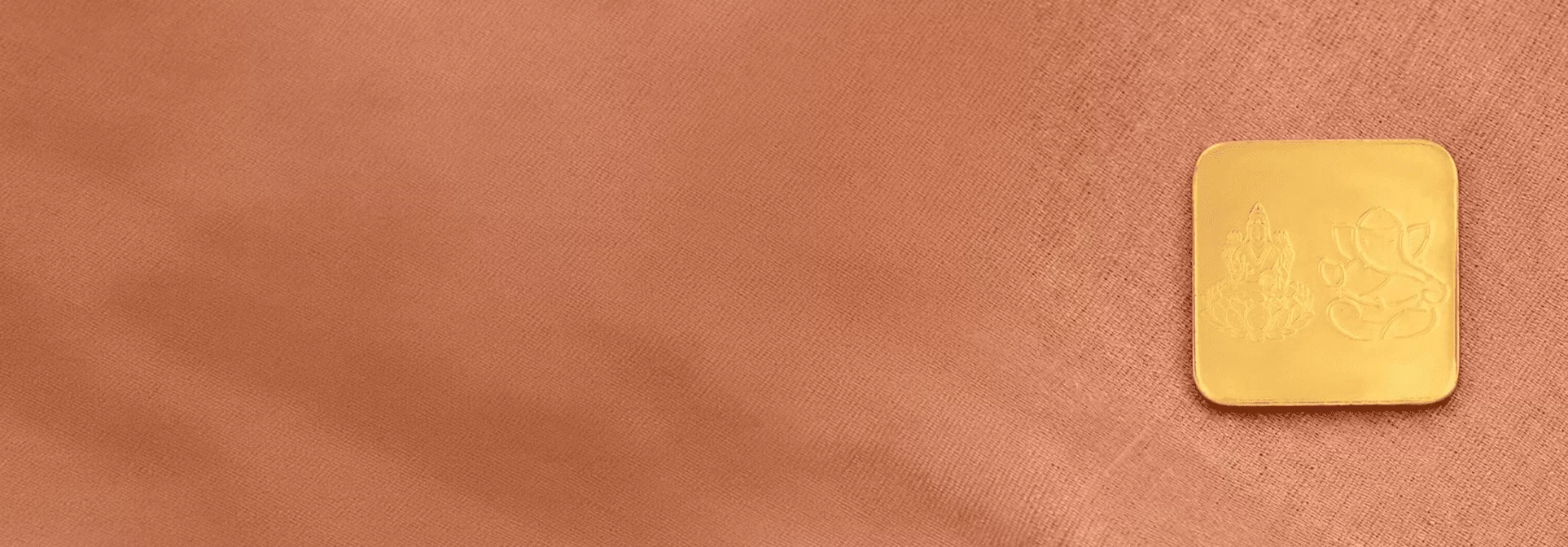
- Ideal For: Investment gold coins, gold bars produced by the mint, wedding shagun coins, and coins held as bank reserves.
14K vs. 18K vs. 22K vs. 24K Gold: Which Should You Choose?
Selecting the right karat depends on how you plan to use your gold piece:
Best Gold for Everyday Wear
For everyday jewellery (for example, office rings, simple studs, or casual chains), 14K and 18K gold are the preferred types since they resist scratches and impacts and at the same time keep their shine.
Best Gold for Traditional Jewellery
22K gold is still the number one choice when buying gold for weddings, for Dhanteras, or as family heirlooms since its bright sheen matches traditional Indian sarees and lehengas perfectly.
Best Gold for Investment and Gold Coins
If you are aiming mainly at wealth preservation or at giving gifts that are considered auspicious, then you should select 24K gold coins or gold bars that are hallmarked. 24K gold provides the highest market value when you resell or exchange it.
Best Gold for Diamond Jewellery
Eighteen karat gold is the one usually chosen for jewellery containing diamonds and gemstones since it provides enough structural strength to hold the valuable stones firmly and at the same time gives a rich, warm background.
Best Gold for Durability and Frequent Wear
14K gold is the most durable of the kinds of gold when it comes to withstanding accidental bumps and scratches if you have an active lifestyle or work with your hands.
How to Choose the Right Gold Karat for Your Jewellery
When finalizing your gold purchase, follow these essential guidelines:
1.Verify Official BIS Hallmarking: Check that the item has the official BIS hallmark, indicating its karatage or purity (for example, 22K916 or 18K750), as well as a unique 6-digit HUID code.
2.Consider Skin Sensitivity: When it comes to skin sensitivity, people who have sensitive skin or are allergic to metal are less likely to experience irritation with higher karat golds such as 18K and 22K because these contain less nickel in their alloy.
3.Assess Resale & Exchange Value: Jewellery with a higher karat purity (22K and 24K) has greater intrinsic metal value when trading it in or taking part in a gold exchange program.
4.Choose Trusted Jewelers: Shop at reputable brands like Tanishq, since they provide state-of-the-art Karatmeter verification, transparent itemized billing, and guaranteed buyback terms.
If you want to make sure that your choices regarding 14K, 18K, 22K, and 24K gold are well-informed and confident, there is a type of gold in each karat that is ideal to meet your particular requirements. For example, if you value the excellent durability that 14K gold offers, or if you prefer the luxurious balance provided by 18K gold in diamond settings, or if you are drawn to the rich traditional heritage of 22K bridal sets, or if you are looking for the pure investment value of 24K gold coins, then you can find a gold karat that suits your needs. By selecting gold items that are certified and hallmarked from reliable jewelers, you can be certain that your gold purchases will continue to bring you joy, beauty, and financial security for many years to come.
Frequently Asked Questions
14K gold is just as suitable for ordinary use as 18K gold, but it is more resistant to scratches and lasts longer in active lifestyles. On the other hand, 18K gold has a richer yellow shine and is still strong enough for everyday wear, which is why it is suitable for fine diamond rings.
22K gold can be worn every day in simple items such as plain wedding bands, solid bangles, or smooth chains; but since 22K gold is softer, intricate designs or items with stones may show signs of wear or scratches more quickly when exposed to rough daily activities.
24 karat gold has a purity of 99.9 per cent and is therefore very soft and easy to bend. Jewellery made from 24 karat gold can be easily bent out of shape, is likely to scratch, and is not safe for holding gemstones or for incorporating delicate details.
The main difference is in terms of purity and hardness. If 22k gold is compared with 24k gold, then 24k gold is 99.9% pure but is soft, which is why it is suitable for use in gold coins and bullion- the high-purity physical metal kept in bars or coins primarily for investment and trade rather than daily wear. 22k gold, on the other hand, consists of 91.6% pure gold mixed with alloy metals and has the structural strength required to produce durable wearable jewellery.
22 karat gold (916 hallmarked) is the purest degree for traditional Indian jewellery, since its bright yellow colour brings out the features of antique, Kundan, and filigree work and at the same time provides both remarkable beauty and good long-term value.